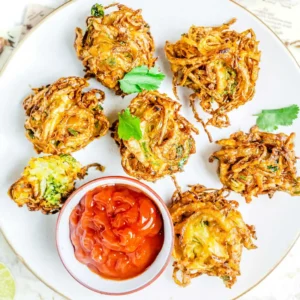
Cabbage Pakora

Try your hand at making these crispy, crunchy cabbage pakora. They're made for dipping in chutneys or enjoying with a glass of hot chai. Enjoy!
Ingredients
- 180 grams white cabbage finely sliced
- 100 grams onion finely sliced
- 2 green chilli finely sliced
- 1 small handful fresh coriander (cilantro) finely chopped
- 1 teaspoon ginger garlic paste
- ¼ teaspoon coriander powder
- ⅛ teaspoon turmeric powder
- ½ teaspoon fine sea salt
- ½ teaspoon carom seeds (ajwain)
- 80 grams chickpea flour
- 1 tablespoon rice flour
- 4 tbsp water
Other Ingredients
- 1 litre neutral oil for deep frying
Instructions
- Finely slice 180 grams white cabbage into strips. Place in a large colander and thoroughly rinse the cabbage to remove any dirt or insects. Drain excess water.
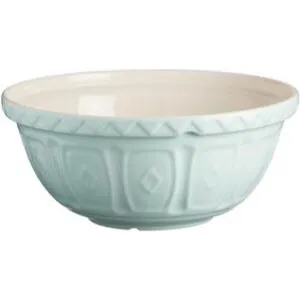
- Take a large mixing bowl. Add the cabbage, 100 grams onion (finely sliced), 2 green chilli (finely sliced), 1 small handful fresh coriander (cilantro) (finely chopped), 1 teaspoon ginger garlic paste, ¼ teaspoon coriander powder, ⅛ teaspoon turmeric powder, and ½ teaspoon fine sea salt.
- Tip ½ teaspoon carom seeds (ajwain) onto the palm of your hand. Use your other palm to gently crush the seeds. This releases the essential oils and aromas of the spice.
- Add the crushed carom seeds to the mixing bowl along with the other ingredients.
- Use clean hands to massage all the spices into the cabbage and onions.
- Sieve 80 grams chickpea flour and 1 tablespoon rice flour into the bowl. Once again, use your clean hands to work the flours into the mixture.
- Slowly add 4 tbsp water, and mix with your hands until well incorporated. The mixture should be slightly wet, with batter clinging to the vegetables. Don't worry that there isn't much batter — it's what makes the cabbage pakora crispy.
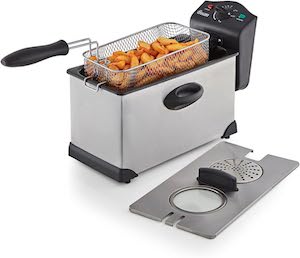
- Pour 1 litre neutral oil into a deep kadai, saucepan, or deep-fat fryer. Set the flame to medium-high and wait for the oil to heat.
- Once the oil is hot enough (test it with the handle of a wooden spoon — the oil should bubble), take a small portion of the pakora batter in your hands. Gently squeeze it together. Carefully drop the pakora into the hot oil. Repeat, but don't overcrowd the oil.
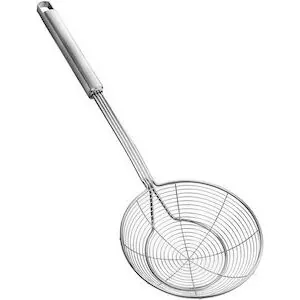
- Fry until all sides are golden-brown and beautifully crispy. Remove with a frying spoon, then place on a wire rack to remove excess oil.
- Fry the remaining cabbage pakora.
Notes
Cabbage pakora tastes fantastic when sprinkled with a touch of chaat masala. It's optional, but highly recommended.
Nutrition
Calories: 574kcalCarbohydrates: 5gProtein: 1gFat: 62gSaturated Fat: 6gPolyunsaturated Fat: 2gMonounsaturated Fat: 51gSodium: 105mgPotassium: 77mgFiber: 1gSugar: 1gVitamin A: 14IUVitamin C: 6mgCalcium: 9mgIron: 0.3mg
Tried this recipe?Please consider leaving a review!
