
Kobichi Bhaji

An authentic Maharashtrian dish with soul: this kobichi bhaji highlights buttery cabbage cooked with mild spicing, aromatic herbs, and crunchy lentils. Perfect served with chapati.
Ingredients
- 1 teaspoon chana dal
- 500 grams white cabbage
- 1 ½ tablespoons ghee or substitute for neutral oil
- ½ teaspoon black mustard seeds
- ½ teaspoon cumin seeds
- 1 sprig fresh curry leaves leaves separated from stem
- ½ teaspoon urad dal
- 3 green chillies I use jwala; finely sliced
- ⅛ teaspoon asafoetida (hing)
- 100 grams white onion finely sliced
- ½ teaspoon turmeric powder
- fine sea salt to taste
- 1 handful fresh coriander (cilantro) washed and finely chopped, to garnish, optional
Instructions
- Add 1 teaspoon chana dal to a small bowl, along with enough hot water to cover completely. Soak for at least 30 minutes (preferably a few hours).
- Take 500 grams white cabbage and cut it into fine strips. Transfer the cut cabbage to a large bowl and wash thoroughly. Drain and set aside.
- Place a large kadai on your stovetop over medium heat. Add 1 ½ tablespoons ghee and let it melt.
- Once the ghee is hot, add ½ teaspoon black mustard seeds. They will crackle and pop in the hot fat.
- Next, add your soaked and drained chana dal, along with ½ teaspoon cumin seeds and 1 sprig fresh curry leaves. The curry leaves will splutter, so be careful to avoid oil burns.
- Add ½ teaspoon urad dal, 3 green chillies (finely sliced), and ⅛ teaspoon asafoetida (hing). Fry for 30 seconds, stirring continually, until the cumin seeds are browned and everything smells aromatic.
- Add 100 grams white onion (sliced) to the kadai. Cook, stirring frequently, until the onions are translucent and softened.
- At this stage, add ½ teaspoon turmeric powder. Stir into the onions.
- Only let the turmeric cook for a second or so (it burns easily!) before adding your washed, drained, and sliced cabbage to the kadai. Stir well.
- Adjust the temperature to low and cook the kobichi bhaji, covered, for 5 minutes.
- Season with fine sea salt to taste. Stir and toss well.
- Cover and cook for a further 10 minutes. Check and stir the cabbage occasionally to prevent it sticking and burning. After 15 minutes of gentle cooking, the cabbage should be soft and buttery. Adjust seasonings to taste.
- Garnish the kobichi bhaji with 1 handful fresh coriander (cilantro), finely chopped. Serve hot.
If you don't have the time to soak chana dal, omit it from the recipe. Alternatively, replace the pulse with whole peanuts or cashews.
You shouldn't need to add any water while cooking the kobichi bhaji. If it's sticking to the bottom of your pan too much, add a sprinkle of water.
Notes
To make this kobichi bhaji vegan, substitute ghee for a neutral oil of your choice. Groundnut (peanut) oil is the traditional choice, while sunflower or canola (rapeseed) work equally as well.
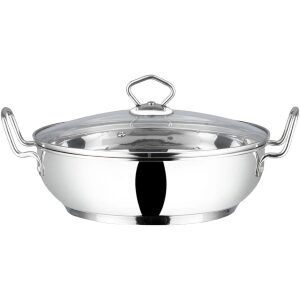
While a kadai is the traditional cookware, a deep-sided frying pan is an appropriate replacement, as is a wok.
Equipment
Nutrition
Calories: 111kcalCarbohydrates: 13gProtein: 2gFat: 6gSaturated Fat: 4gPolyunsaturated Fat: 0.3gMonounsaturated Fat: 2gCholesterol: 15mgSodium: 137mgPotassium: 268mgFiber: 5gSugar: 6gVitamin A: 213IUVitamin C: 62mgCalcium: 66mgIron: 1mg
Tried this recipe?Please consider leaving a review!
