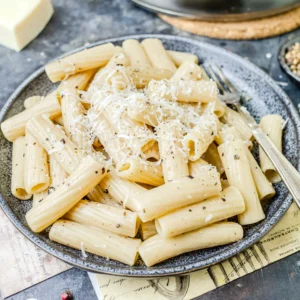
Rigatoni Cacio e Pepe

Creamy, rich, and glossy: rigatoni cacio e pepe is a treat for the taste buds and surprisingly easy to make, once you know how.
Ingredients
- 1 litre water for cooking the pasta
- ¼ teaspoon salt for cooking the pasta
- 400 grams rigatoni
- 100 grams pecorino (vegetarian — non-DOP)
- 2 teaspoons black peppercorns
- 15 grams butter
- 300 millilitres starchy pasta water
- 20 grams pecorino (vegetarian — non-DOP) to finish, optional
Instructions
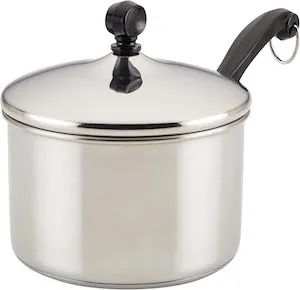
- Fill a large saucepan with 1 litre water and ¼ teaspoon salt. Place over medium heat and bring to a boil.
- Once the water comes to a boil, add 400 grams rigatoni. Cook for 2 minutes less than the package instructions; usually around 10 minutes for al-dente.
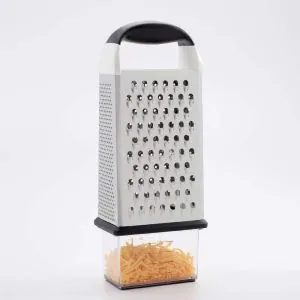
- While the pasta is cooking, grate 100 grams pecorino (vegetarian — non-DOP). Use the smallest holes on your box grater to create a fine shave.
- Finely crush 2 teaspoons black peppercorns in a mortar and pestle.
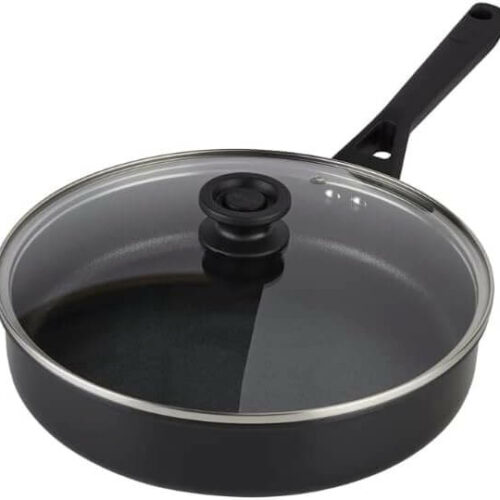
- In a large, deep-sided frying pan, melt 15 grams butter over low heat.
- Add the ground peppercorns and cook on low heat, stirring now and then, until wonderfully fragrant. Turn off the heat. From this point on, don't use any heat.
- By now, the pasta should have finished cooking. Carefully transfer the rigatoni to the pan with the black pepper, but reserve the pasta water.
- Let the pasta water cool slightly — it should be just warm enough to touch.
- Add your 100 grams pecorino (vegetarian — non-DOP) to the pan with the pasta.
- Add one ladle of your reserved 300 millilitres starchy pasta water. Begin to toss and stir the pasta together with the cheese and water. Add more pasta water, ladle by ladle, stirring as you go to emulsify the mixture.
- Once the pasta is coated in a divinely glossy sauce, it's time to serve. Grate 20 grams pecorino (vegetarian — non-DOP) over your served pasta to finish.
Notes
This recipe uses a higher ratio of pasta to pasta water. This is by design and shouldn't be changed. While it may not seem like enough water to cook the pasta, it will be fine — and create an ultra-concentrated starchy base for your emulsification.
If you have problems with your cacio e pepe sauce clumping, try the tempering technique: Mix grated pecorino with a little pasta water. Create a smooth paste. Add this to the pan, then add more pasta water to finish the sauce. This ensures there's less temperature change, which reduces your risk of a clumpy sauce.
Equipment
Nutrition
Calories: 520kcalCarbohydrates: 77gProtein: 23gFat: 13gSaturated Fat: 7gPolyunsaturated Fat: 1gMonounsaturated Fat: 3gTrans Fat: 0.1gCholesterol: 39mgSodium: 554mgPotassium: 279mgFiber: 4gSugar: 3gVitamin A: 230IUCalcium: 361mgIron: 2mg
Tried this recipe?Please consider leaving a review!
