Rigatoni Cacio e Pepe
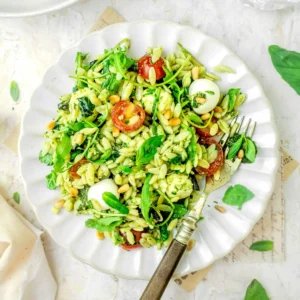
Punctuated with the sharp heat of black pepper, this silky, rich, and creamy pasta may look unassuming, but it’s filled with flavour. Rigatoni cacio e pepe is quick and requires just four ingredients — let’s learn how to make it, stress-free.
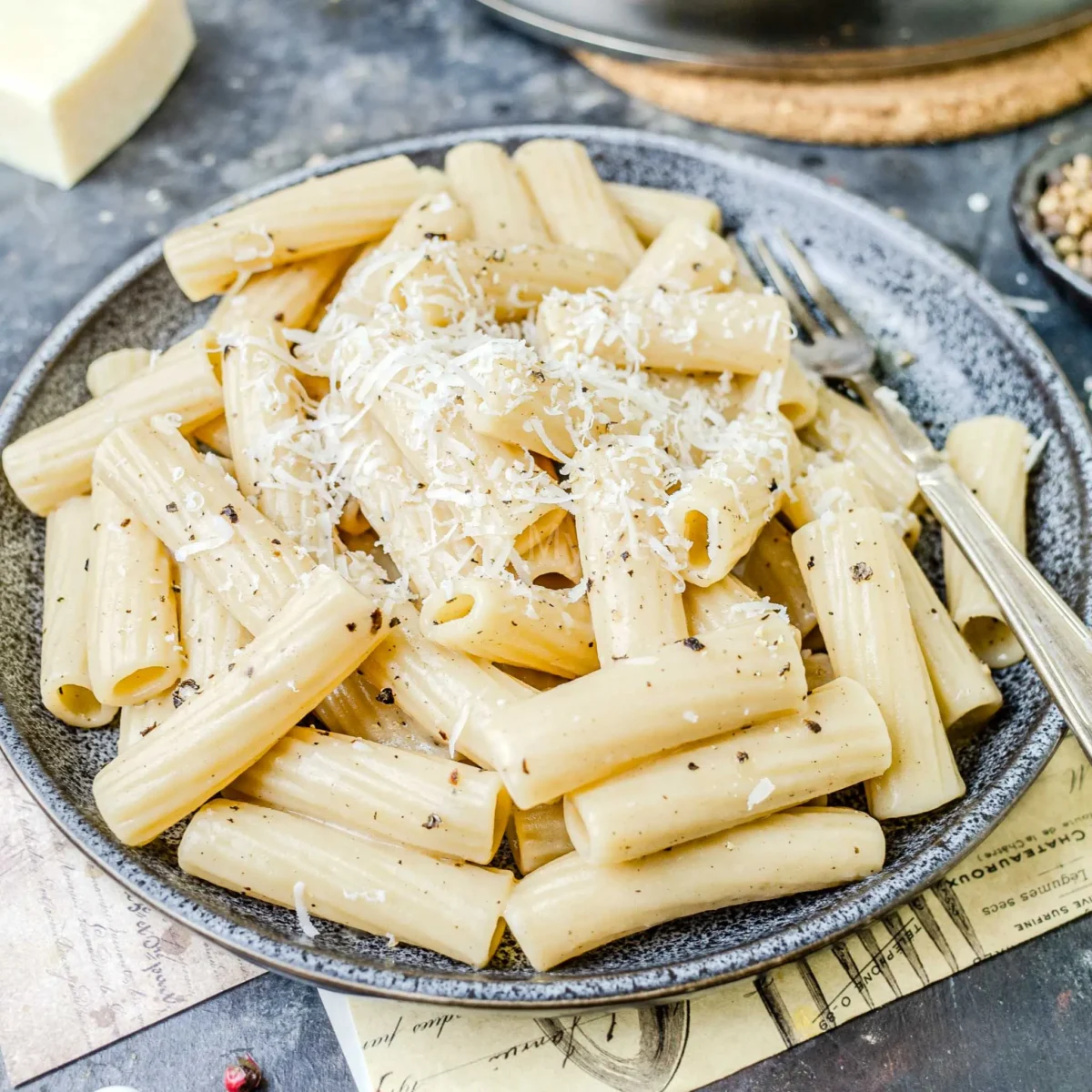
Cacio e pepe is one of the fundamental cornerstones of Italian cuisine, along with pesto, pomodoro, marinara, aglio e olio, Bolognese, arrabbiata, carbonara, and puttanesca. Learning how to make each of these dishes will set you up for a lifetime of delicious eating!
I’m lucky enough to have visited Rome — the birthplace of cacio e pepe and home to an overwhelming amount of extraordinary history — a few times. Not once have I indulged in cacio e pepe, for one simple reason: it’s often not vegetarian.
This recipe is vegetarian, though, and doesn’t suffer for it. You only have to use pecorino made from plant-based rennet. It’s impossible to taste the difference, so why not?
That same pecorino is at the heart of this luxurious, almost hedonistically silky sauce. It bolsters the dish with a distinctively tangy, salty, and nutty bite. Along with some water from your pasta cooking pot, it’s all that’s needed for this impossibly glossy sauce.
Of course, it wouldn’t be cacio e pepe without ground black pepper. It’s roasted first, to extract the full woody, earthy, citrus-tinged fragrance from the spice. The result is a pasta that’s equal parts creamy and surprisingly spicy.
Some people call cacio e pepe a poor man’s mac ‘n cheese. That does the recipe somewhat of a disservice.
Although cacio e pepe does have a humble origin story — it’s thought to have been created by the rugged shepherds who would wander the Roman countryside in moving sheep from pasture to pasture — I think it tastes rather better than mac ‘n cheese (I prefer a good cauliflower pasta bake, anyway!).
❤️ Why You’ll Love This Recipe
🤌🏼 What is Cacio e Pepe?
Cacio e pepe is a beloved pasta dish hailing from the historic city of Rome.
In Roman dialect, the name means “cheese and pepper” — a very apt moniker, for the dish is enriched with pecorino cheese, spiced with ground and roasted black peppercorns, then turned into a rich sauce with starchy pasta water (aka liquid gold).
Just like all roads lead to Rome, all Italian food lovers eventually find their way to cacio e pepe!

Traditionally, cacio e pepe is made with either tonnarelli (square-cut egg pasta) or spaghetti. This is the age-old rendition of the recipe you’ll still find in many of Rome’s charming trattoria and ristorante.
However, the sauce tastes equally as scrumptious with other pasta shapes; I’ve enjoyed mafaldine cacio e pepe, orzo cacio e pepe, this rigatoni cacio e pepe, and even ravioli cacio e pepe. Each pasta shape lends a unique quality to the dish, changing it completely.
Moreover, because pecorino and pepper are such a time-honoured flavour combination, you can play around with them in non-pasta dishes, too.
My favourites are cacio e pepe risotto and cacio e pepe pizza — I can’t take credit for the latter, which, funnily enough, I ate for the first time in NYC (even though I’ve only visited there once, while I’ve been to Italy countless times!).
🧀 Ingredient Notes from the Kitchen
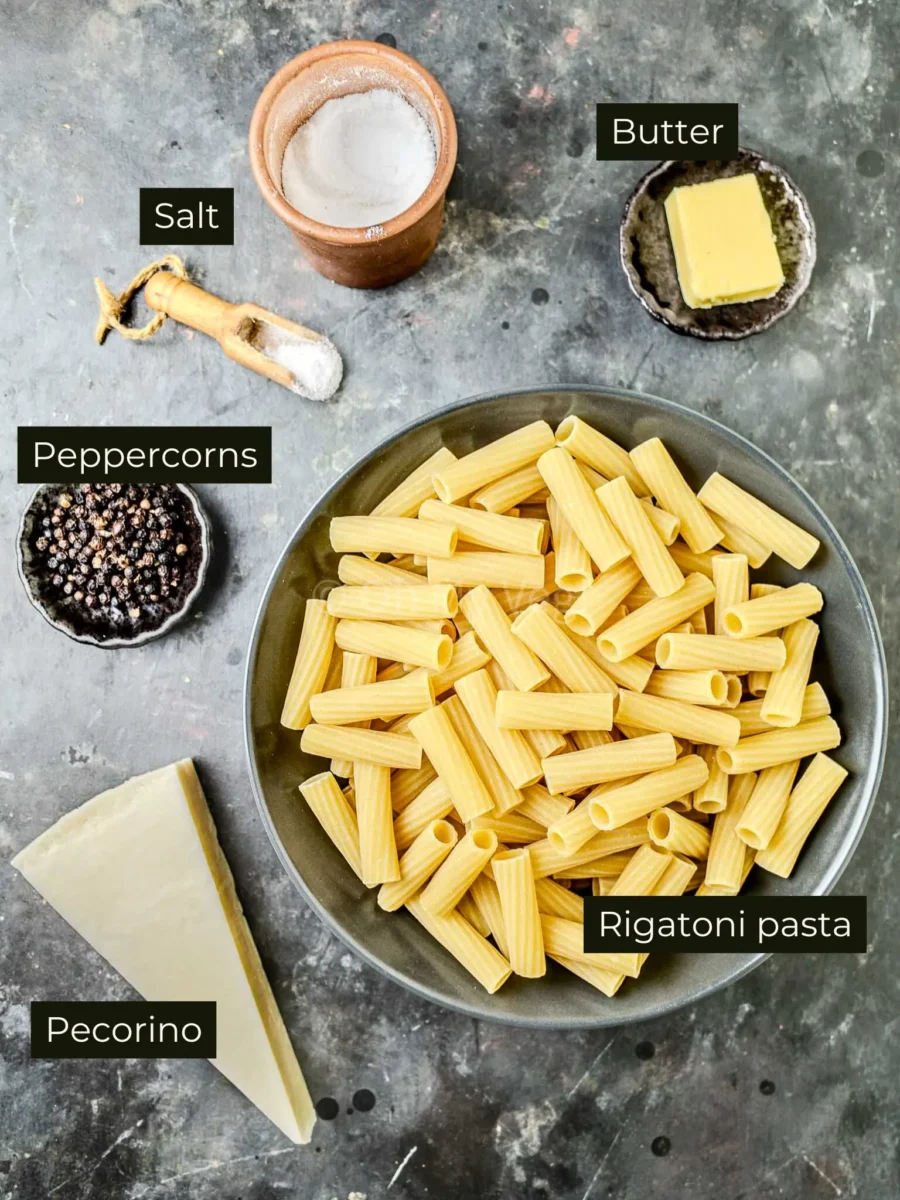
To make your own rigatoni cacio e pepe, you’ll only need four ingredients.
I’m always prattling on about how Italian food is simplistic yet full of lip-smacking flavour, but this is one of the finest examples of that philosophy.
It’s hard to believe all you’ll need is a pasta, a cheese, and two of the most basic seasonings on Earth, but it’s true:
- Rigatoni, a pasta shape characterised by thick tubes with ridged sides, is a perfect match for cacio e pepe, since it catches all those peppery, creamy flavours. It’s also Roman in origin (just like cacio e pepe). I prefer a good-quality dried rigatoni, as it stands up to stirring better than fresh.
- Pecorino cheese is a salty and deeply savoury Italian hard cheese. It’s the traditional choice here — but please check the label to ensure it’s vegetarian. Many Italian hard cheeses use animal rennet (derived from the stomachs of pigs and calves). In fact, DOP cheeses, which must follow traditional methods, will always use animal rennet, so please avoid Pecorino Romano DOP and Pecorino Sardo DOP. More on this below.
- Butter isn’t technically a traditional addition and can be skipped, but it does make our sauce ultra indulgent, rich, and creamy.
- Black peppercorns are key to that spicy, pungent flavour cacio e pepe is known for. I like to use whole peppercorns and grind them by hand for a properly robust, intense flavour. Never use pre-ground pepper for cacio e pepe … it does it a real disservice.
You’ll also need fine sea salt for seasoning your pasta water (which we’ll use in the sauce). However, use a touch less than you would for other pasta dishes — pecorino cheese adds natural saltiness of its own.
Adapting to Allergies and Dietary Requirements
My recipe for rigatoni cacio e pepe is 100% vegetarian, nut-free, and soy-free.
Unfortunately, most cacio e pepe ordered in a restaurant won’t be vegetarian. That’s because Pecorino Romano DOP is made using animal rennet. Conversely, standard non-DOP pecorino — like the sort I’m using for this recipe — is often made using microbial vegetarian rennet.
To make the dish vegan, you’ll have to reinvent it entirely. Skip the butter, and skip vegan cheese — dairy-free cheese hasn’t yet reached the level where it’s a satisfying, effective direct replacement in a recipe like this. Instead, make a creamy sauce from soaked and blended cashews or silken tofu, plus miso and nutritional yeast for funky savouriness that mimics cheese.
To make gluten-free cacio e pepe, all that’s needed is gluten-free pasta. I like Rummo gluten-free rigatoni (made from rice and corn) as it directly replicates this recipe, but you can use any gluten-free pasta from your grocery store’s free-from range.
🫛 Flavour Variations
If you want to add greens to cacio e pepe, stir through blanched/steamed spring vegetables such as broccoli, peas, or asparagus. Wilted spinach is a fantastic way to add iron, and arugula (rocket) complements the peppery tones beautifully.
For a more autumnal meal, try adding garlic sauteed mushrooms to the dish. The earthy flavour of mushrooms marries wonderfully with the fragrant pepper.
If you need to add protein, scatter over chickpea croutons (there’s the bonus of providing a lovely crispy contrast to the silky sauce, too) or serve with grilled tofu.
🧑🍳 How to Make Rigatoni Cacio e Pepe in Eight Easy Steps
There are a few different methods for making cacio e pepe:
- The tempering technique, which is an alternative method that’s risen in popularity, as it’s somewhat easier to prevent clumping. I go over this method in my “troubleshooting” section further down.
- The one-pan formula is completely unorthodox, and frankly, my least favourite. Although there are fewer dishes (always a good thing!), there are simply too many opportunities for things to go wrong.
- The traditional technique, which I’ll share in this recipe. It’s the way Romans have been making this recipe for centuries.
The step-by-step photos below (taken straight from my kitchen!) show the traditional process from start to finish, so you can have a visual guide to aid you while cooking along:
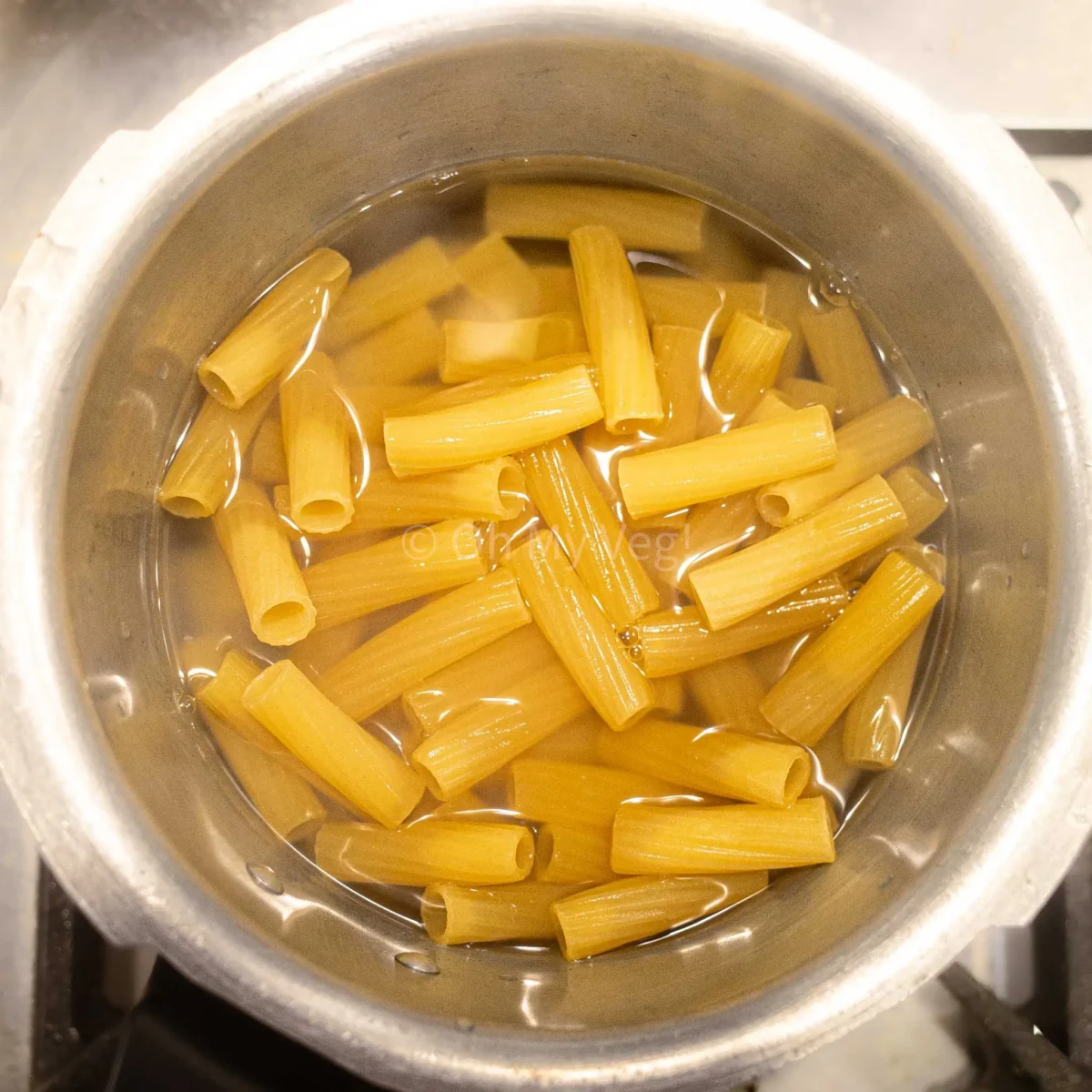
One: Cook your rigatoni for 2 minutes less than the package instructions. Use a little less water than you would normally; this creates a starchier water and richer sauce. One done, drain and reserve the water.
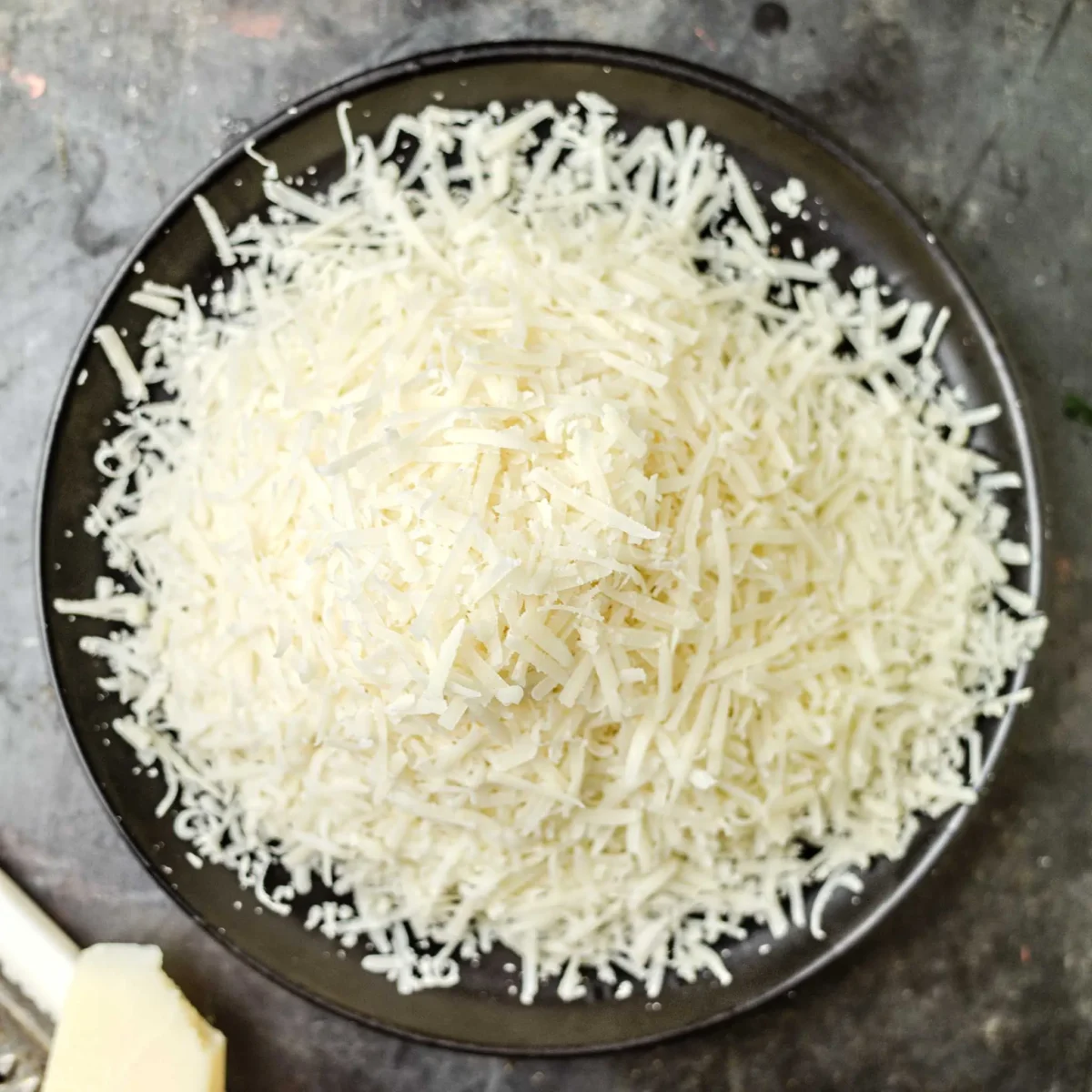
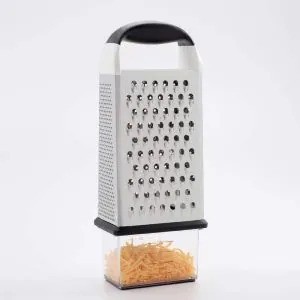
Two: Grate your pecorino cheese. Never use pre-grated (it has anti-caking agents that mess with the texture of your pasta). Aim to grate it fine, but not too much; use the smallest holes on a standard grater.
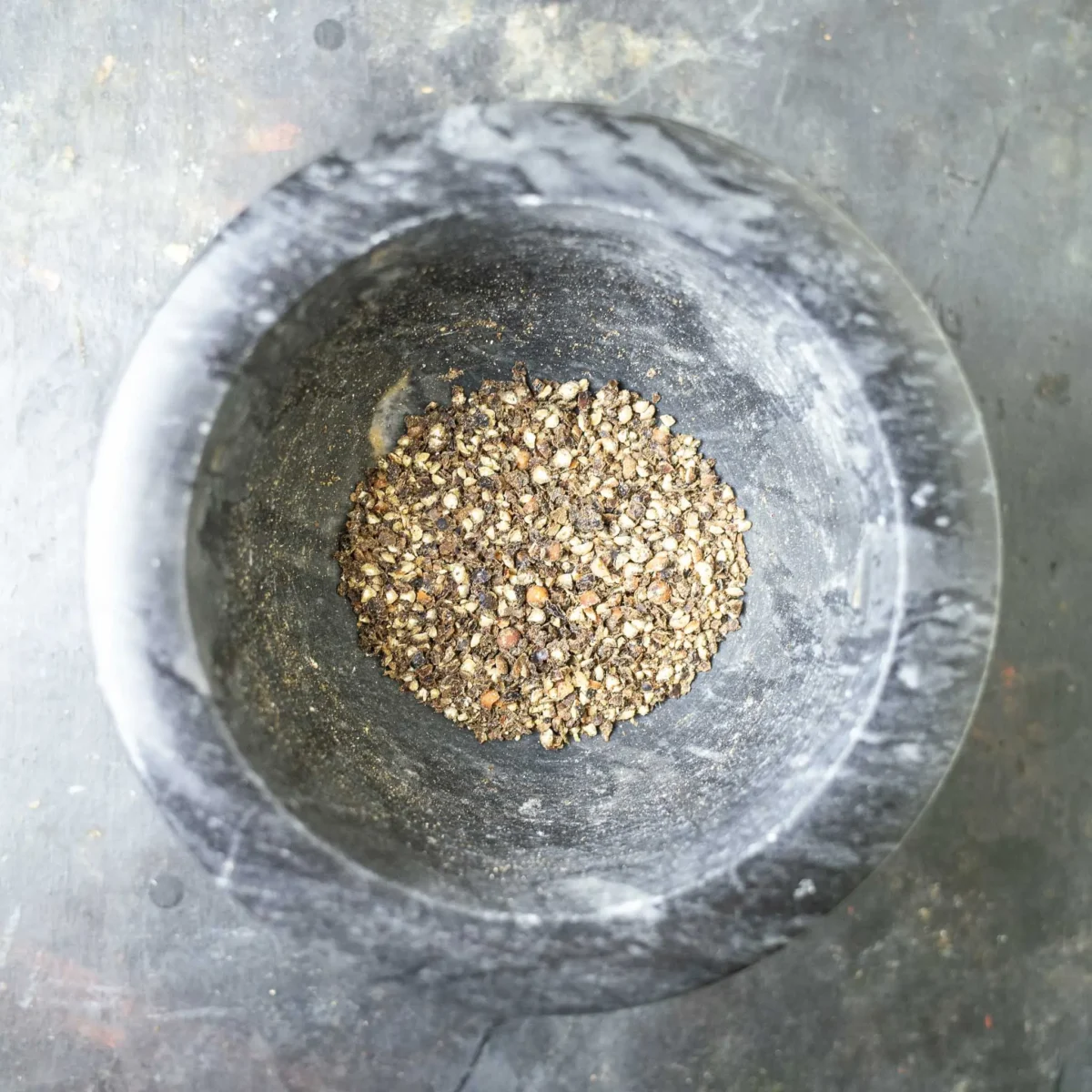
Three: Coarsely grind whole black peppercorns in a mortar and pestle.
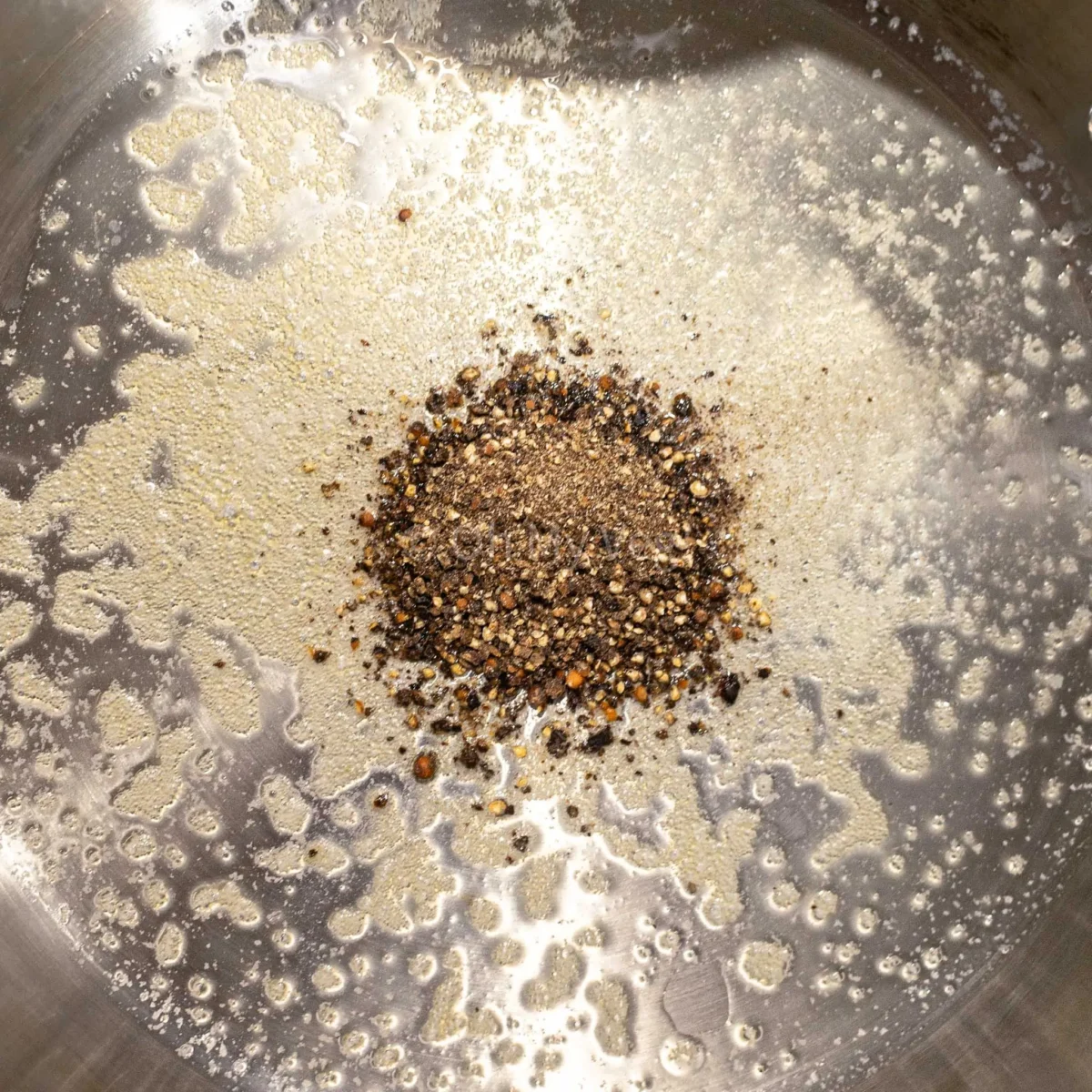
Four: Melt butter in a pan over low heat. Add the ground peppercorns.
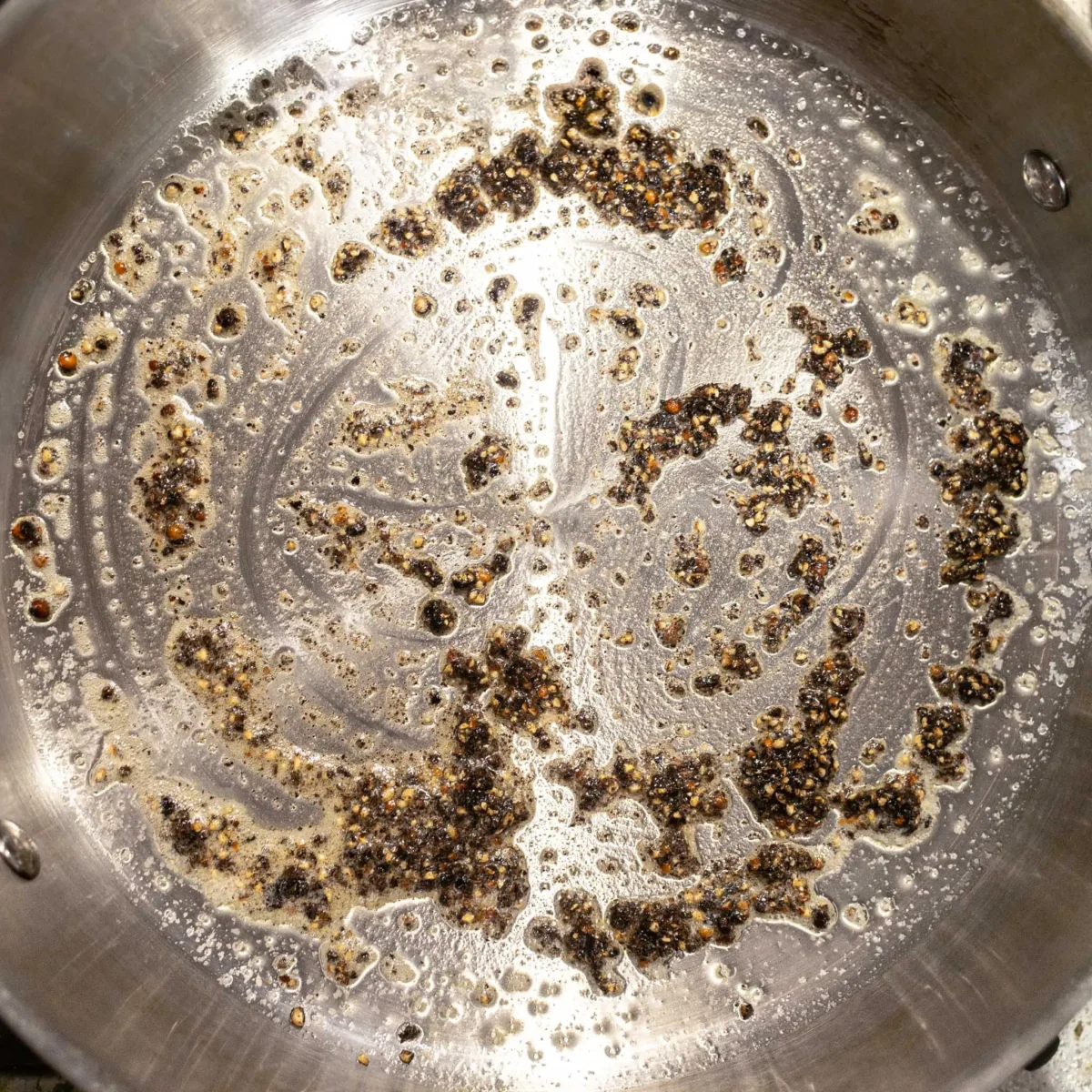
Five: Toast the ground pepper until it’s gloriously aromatic.
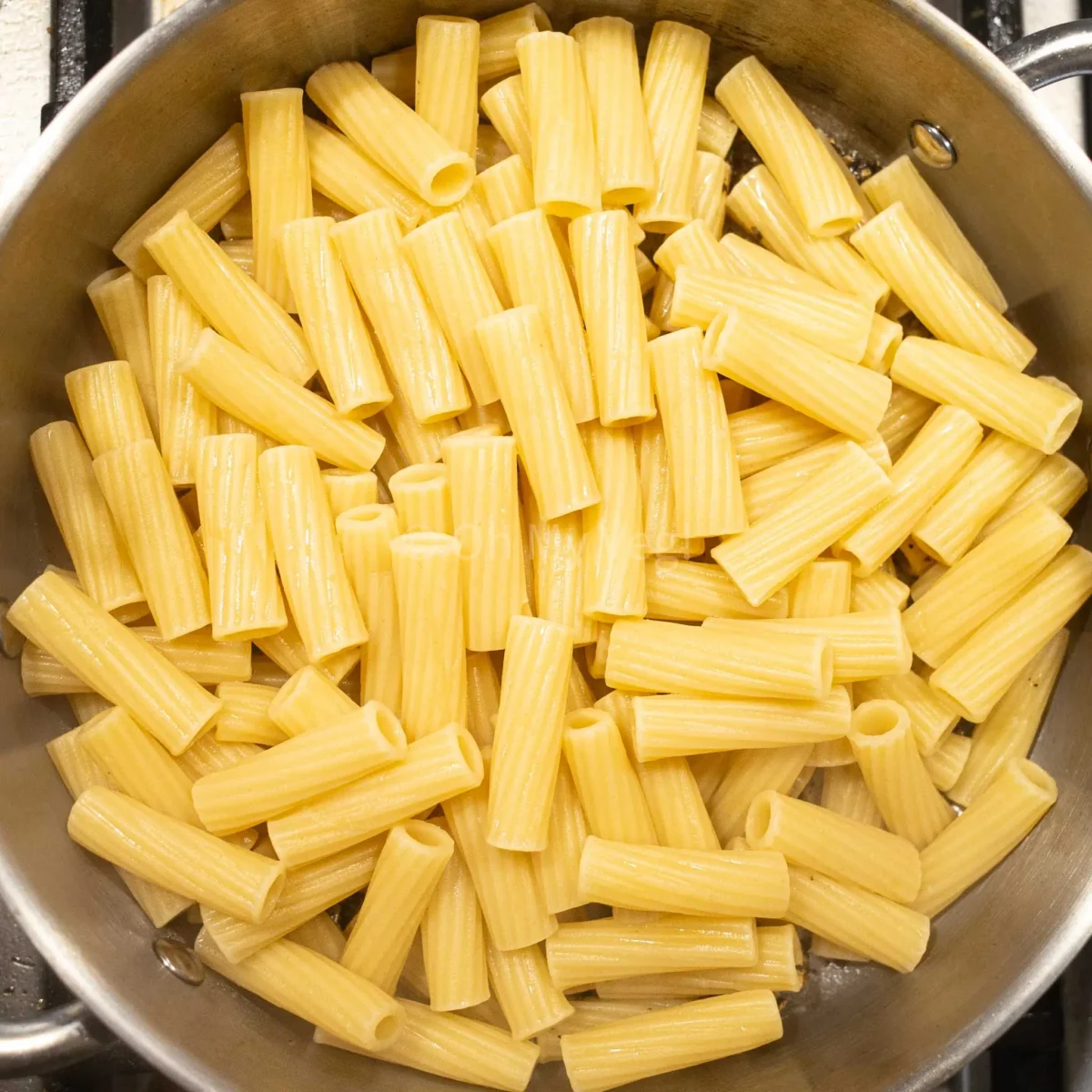
Six: Add your cooked pasta to the pan and turn off the heat.
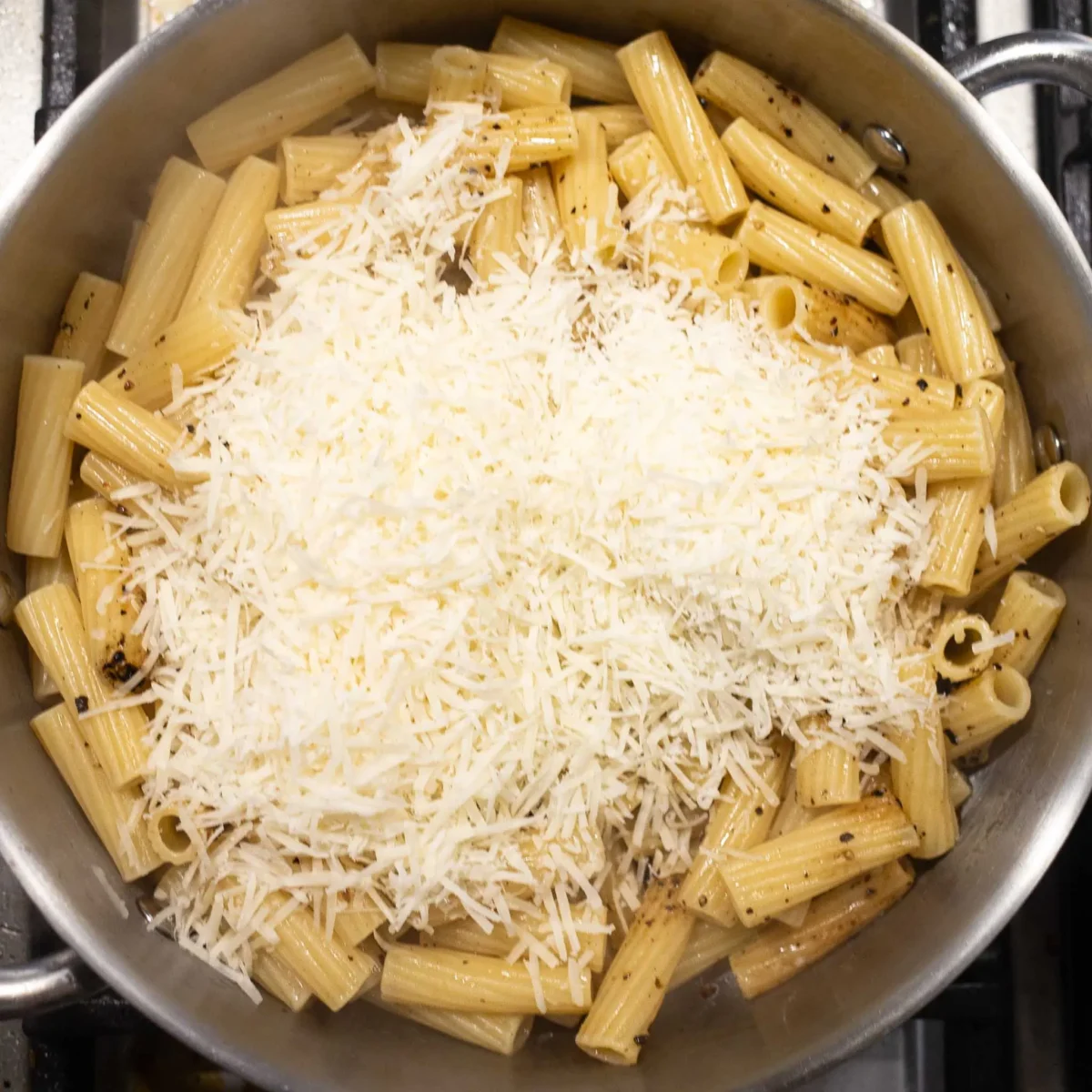
Seven: Add the grated cheese on top of the pasta, along with the pasta water.
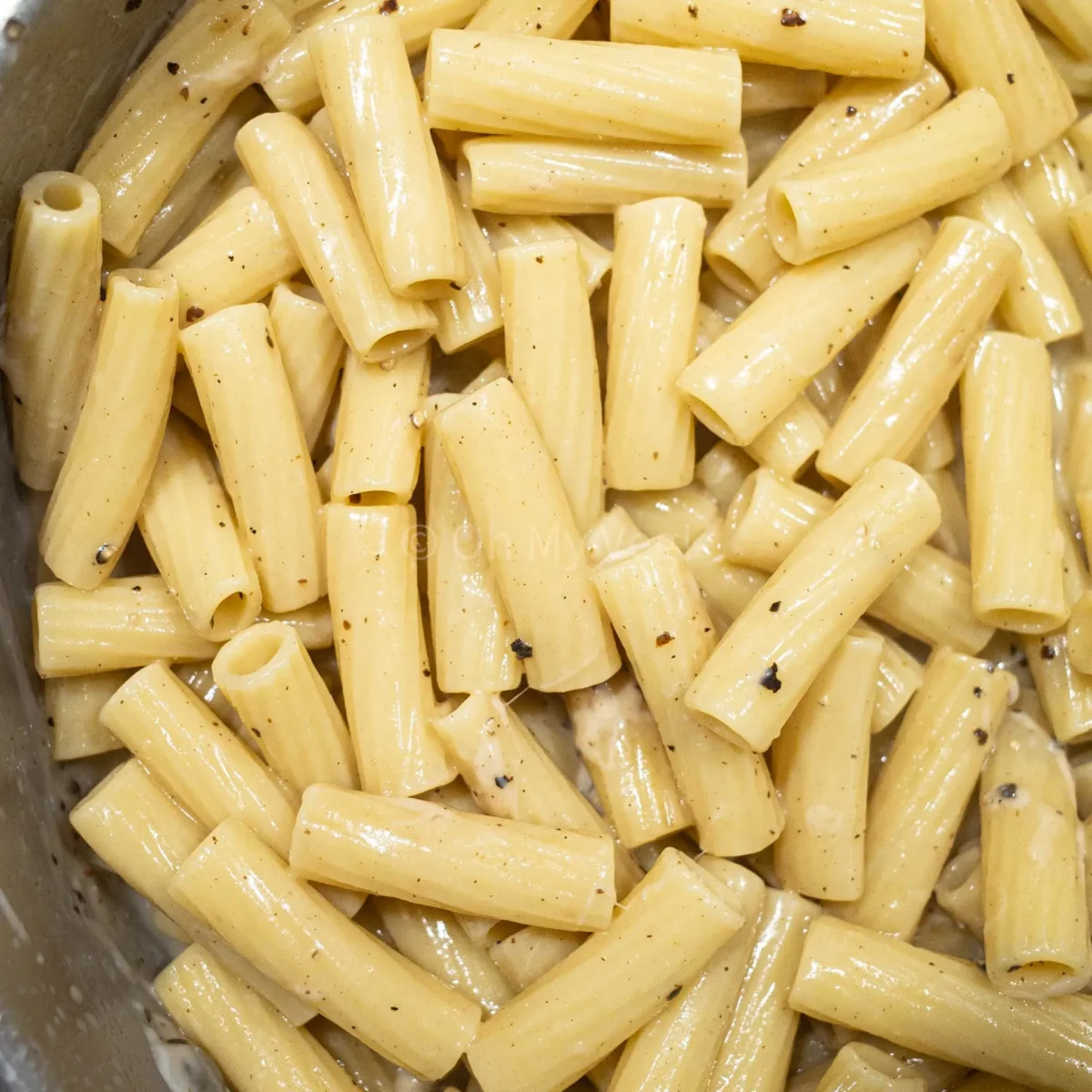
Eight: Stir the mixture together until you get a wonderfully glossy sauce.
Remember, the complete recipe (with ingredient quantities and instructions) can be found at the bottom of this page. You can also print the recipe, save the recipe, adjust the servings, and much more from there!
⭐ Tips + Troubleshooting for Cacio e Pepe
Despite its simplicity, cacio e pepe is notoriously hard to cook faultlessly. I’ve tested many methods, ingredients, and timings — all to find the most fool-proof recipe to share with you, my reader.
The primary issue people have with cacio e pepe is that pecorino, although delicious, is prone to “clumping.” The setback is so prevalent that even scientists from a coalition of European countries came together to research the “Phase behavior of Cacio e Pepe sauce”!
For those of us who don’t want to relive our academic days by reading scientific papers, the answer is straightforward, but requires a multi-faceted approach:
- Never buy pre-grated/shredded cheese. Those pre-grated bags of cheese from the supermarket seem ultra-convenient, but they’re actually a disaster waiting to happen. Pre-shredded cheese contains anti-caking agents, which adversely affect the texture of many dishes and all but guarantee clumping.
- Don’t grate your cheese too fine or too coarse. Sounds fussy, I know. It’s important, though. I’ve read a lot of recipes that specify you should use a microplane; I thoroughly disagree. A microplane creates pecorino that melts too fast into the sauce. Result? Clumps. Similarly, the largest holes on a box grater create cheese that doesn’t melt fast enough. The ideal is a delicate grate, not extra-fine or coarse.
- Cook your pasta in less water. Honestly, this is THE step you need to pay attention to and the one that’s most often overlooked. Less water to cook the pasta = higher concentrations of starches in the water = less chance of clumping, as it binds the fat and proteins.
- Use butter. This isn’t traditional (purists, look away) — but it’s a small addition that makes all the difference. The natural protein from butter always helps emulsions, and this is no different.
- Turn off the heat after toasting your ground black peppercorns. P.S.: Toasting your peppercorns is a necessity, not an option!
- Don’t use hot-from-the-pan pasta water. If you add the pasta water to the cheese and pasta while it’s too hot, the pecorino will coagulate. Too cold, and the cheese won’t melt at all. Warm is best — you should be able to touch it without burning your fingers.
If you’re still having problems, try the “tempering” technique: cook, drain, and reserve your pasta water as usual. Go ahead and toast the ground black pepper, too. Next, mix your grated pecorino with a little pasta water in a bowl. Create a smooth paste, then add this to the pan along with more pasta water.
This technique basically acclimatises the cheese to the pasta water, so there’s less risk of the sauce seizing.
Remember, perfection isn’t necessary. If your rigatoni cacio e pepe is clumpy, it’s not the end of the world. Albeit lacking in silky texture, it will still taste delicious!
Don’t give up — try the recipe again when you feel up to it. Read through the tips and recipe several times before you start cooking. And try the method above for good measure.
❄️ Storing + Reheating Rigatoni Cacio e Pepe
Store: Cool rigatoni cacio e pepe, then portion into airtight containers. Refrigerate for up to three days. The pasta will thicken as it sits.
Reheat: The best way to reheat cacio e pepe is to gently stir it over a double boiler, according to Serious Eats (also confirmed by my own testing).
If that method sounds too fussy, you can reheat cacio e pepe in a saucepan. Add a little water to loosen things up and re-emulsify the sauce — if you have the foresight to save some of the starchy pasta water, all the better!
Unfortunately, rigatoni cacio e pepe isn’t suitable for freezing.
🥗 Serving Suggestions
Start with a caprese-inspired appetiser. There’s plenty to choose from here on Oh My Veg, such as caprese flatbreads, caprese crostini, or a simple, yet legendary, caprese salad.
As for side dishes, a well-dressed arugula and spinach salad wouldn’t go amiss, especially with some grilled vegetables (broccoli, asparagus, green beans, or courgette [zucchini]).
If you’ve tried this rigatoni cacio e pepe recipe, please drop a comment ✍️ or a star rating 🌟 below to help fellow readers! Additionally, if you have a question, please drop a comment, and I’ll do my best to answer ASAP.
Rigatoni Cacio e Pepe

Ingredients
- 1 litre water for cooking the pasta
- ¼ teaspoon salt for cooking the pasta
- 400 grams rigatoni
- 100 grams pecorino (vegetarian — non-DOP)
- 2 teaspoons black peppercorns
- 15 grams butter
- 300 millilitres starchy pasta water
- 20 grams pecorino (vegetarian — non-DOP) to finish, optional
Instructions
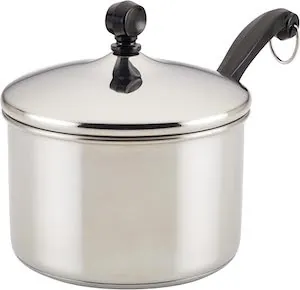
- Fill a large saucepan with 1 litre water and ¼ teaspoon salt. Place over medium heat and bring to a boil.
- Once the water comes to a boil, add 400 grams rigatoni. Cook for 2 minutes less than the package instructions; usually around 10 minutes for al-dente.
- While the pasta is cooking, grate 100 grams pecorino (vegetarian — non-DOP). Use the smallest holes on your box grater to create a fine shave.
- Finely crush 2 teaspoons black peppercorns in a mortar and pestle.
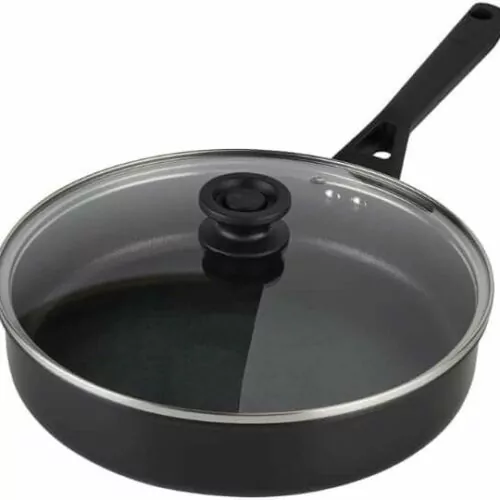
- In a large, deep-sided frying pan, melt 15 grams butter over low heat.
- Add the ground peppercorns and cook on low heat, stirring now and then, until wonderfully fragrant. Turn off the heat. From this point on, don't use any heat.
- By now, the pasta should have finished cooking. Carefully transfer the rigatoni to the pan with the black pepper, but reserve the pasta water.
- Let the pasta water cool slightly — it should be just warm enough to touch.
- Add your 100 grams pecorino (vegetarian — non-DOP) to the pan with the pasta.
- Add one ladle of your reserved 300 millilitres starchy pasta water. Begin to toss and stir the pasta together with the cheese and water. Add more pasta water, ladle by ladle, stirring as you go to emulsify the mixture.
- Once the pasta is coated in a divinely glossy sauce, it's time to serve. Grate 20 grams pecorino (vegetarian — non-DOP) over your served pasta to finish.