Celebrate India’s harvest festival with this delicious collection of Makar Sankranti recipes. From sesame seed ladoo to jaggery-sweetened treats, these dishes are all about age-old traditions, religious meaning, and the bringing together of families.
What is Makar Sankranti?
Makar Sankranti is a Hindu festival. Although its origins lie in India, it’s celebrated in all countries with a large Hindu diaspora; particularly in Nepal, the U.K., the U.S., and Australia.
The name Makar Sankranti comes from Sanskrit, an ancient Indian language. ‘Makar’ refers to ‘Capricorn’ while ‘Sankranti’ means ‘movement’ or ‘transition’ — the festival marks the sun’s passage from Sagittarius into the zodiac sign Capricorn.
Many devotees wake at dawn to bathe in one of the saptanadi (seven holy rivers): Ganga, Yamuna, Godavari, Sindhu (Indus), Narmada, Krishna, and Kaveri. They then perform a prayer (puja) to Surya as the sun god rises above the horizon.
For many Indian people, their livelihood depends on agriculture. Makar Sankranti is a chance to be thankful to the Earth, animals, and family who each contributed to a bountiful winter harvest — and to begin planting for the next season.
Makar Sankranti is also a festival of new beginnings and hope for the future, not unlike the Western New Year.
Regional Names for Makar Sankranti
India boasts an astounding number of unique regional languages, cultures, and traditions — so it stands to reason that the various states of India also have different names and rituals for Makar Sankranti. Here are a few:
In Tamil Nadu, it’s celebrated as Pongal, a three to four-day-long festival.
In Punjab (and some areas of Haryana and Delhi), Lohri is celebrated with much fervour; large bonfires, sesame sweets, much merriment, and high-spirited folk songs accompanied by dances are commonplace.
Uttarayan is the Gujarati name for the festival. The state is responsible for one of the most iconic images of the season: skies filled with colourful kites!
Meanwhile, in Bihar and Uttar Pradesh, it’s known as Khichdi, named for the comforting rice and lentil dish especially prepared in the region.
Nearby in Bengal, some households call it Poush Sankranti. The state also plays host to the incredible Gangasagar Mela (fair) on the same day. Millions of pilgrims gather at the watersmeet of the Ganga and Bay of Bengal.
Magh bihu in Assam has many unique traditions. Perhaps the most remarkable is that of meji (temporary thatch and bamboo huts), which are built for one night of feasting and merrymaking, then burnt down the following morning.
For the small community of Kashmiri Hindus, Shishur Sankranti is a devotional time for donating grains, cleaning houses, and making offerings to ancestors (tarpan).
In Karnataka, Suggi Habba is a regional variation of the festival. Here, people decorate their homes with sugarcane stalks, perform dances, and enjoy copious amounts of sweets.
In most other Indian states, including Goa and Maharashtra, it’s simply known as Makar Sankranti.
When is Makar Sankranti Celebrated?
Makar Sankranti typically falls on 14th January each year (or 15th January during a leap year).
Unlike most Indian festivals, Makar Sankranti falls on the same date each year. That’s because it follows the solar calendar, unlike most other celebrated dates, which are based on the lunar calendar.
Depending on the region, Makar Sankranti is celebrated for anywhere between one and four days. Each day has associated rituals and spiritual meanings.
If you want to join the Makar Sankranti festivities, start with a ritual cleansing bath (Can’t visit the seven holy rivers? Your home shower will do!). Wear new clothes and apply kum kum or tilak.
Kite flying is a fantastic child-friendly activity, especially if you DIY a fun flag with plenty of colours.
Giving to charity is considered especially auspicious during Makar Sankranti. Many people donate food, clothes, blankets, or money to those in need.
The gesture can be as far-reaching as you like, or you can choose to focus on your small, local community.
For example, women in Maharashtra wrap small grains or fruits in handkerchiefs and gift them to neighbours along with til gud-based sweets like chikki and ladoo. The phrase “til gud ghya, god god bola” (accept this sesame jaggery sweet and speak sweetly) is often exchanged too.
Bonfires, folk dancing, and singing are more mainstays of Makar Sankranti, and fun for all ages.
Traditional Foods for Makar Sankranti
Til (sesame seeds) and gud (jaggery) are the undisputed stars of Makar Sankranti recipes, appearing in countless combinations across different regions. Both are renowned in Ayurveda for their warming properties during the winter months, especially when consumed together.
Maharashtra swears by til-gud laddu or the famous Lonavala chikki (Lonavala is a hill-station high up in the Ghats, and a popular stop between Pune and Mumbai).
In Bengal, pithe takes centre stage. Steamed or fried, filled, soaked in milk or syrup — each delicious in their own right.
Tamil Nadu’s Pongal (both the festival and the dish) revolves around freshly harvested rice cooked with moong dal, jaggery, milk, and ghee. The dish is made to overflow from the pot purposefully, and the moment is celebrated with cries of “Pongalo pongal!” The moment when the dish boils over signifies abundance and prosperity for the new season.
Aside from dishes made especially for the festival — of which there are many, too many to list here — sabudana (tapioca pearls) feature prominently in sattvic fasting (vrat) recipes.
25+ Makar Sankranti Recipes For You to Try
1
Bless my Food by Payal
Rajgira Ladoo (Amaranth Ladoo)
These nutty, sweet ladoo are made from popped amaranth seeds bound together with ghee and caramel-rich, dark jaggery.A real Makar Sankranti recipe staple, it's beautifully uncomplicated, suitable for fasts, and boasts fewer than a handful of ingredients.
Maharashtrian sabudana vada is a snack that the whole family can enjoy. Crisp on the outside with a beautifully fluffy interior, you'll be craving these all year round — not just for fasts! Made from tapioca pearls, potatoes, crushed peanuts, cumin seeds, fresh herbs, and green chillies for a hint of spice, the patties are fried until golden brown. It's a beloved Navratri recipe, but they're just as brilliant for Makar Sankranti.
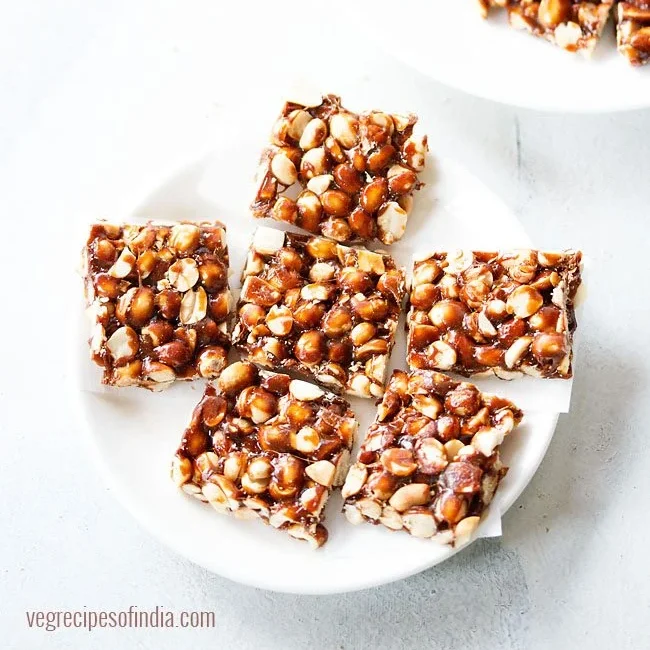
Would you believe this sweet treat is made from just two key ingredients? Crunchy, sweet, and completely irresistible, peanut chikki is a quintessential Makar Sankranti indulgence. Roasted peanuts are mixed into a syrup made from jaggery, rolled out, cut to shape, and then hardened into a brittle. They create that perfect snap!
Nuvvula Laddu Recipe – Chimmili – Til Ke Ladoo – Sesame Laddu
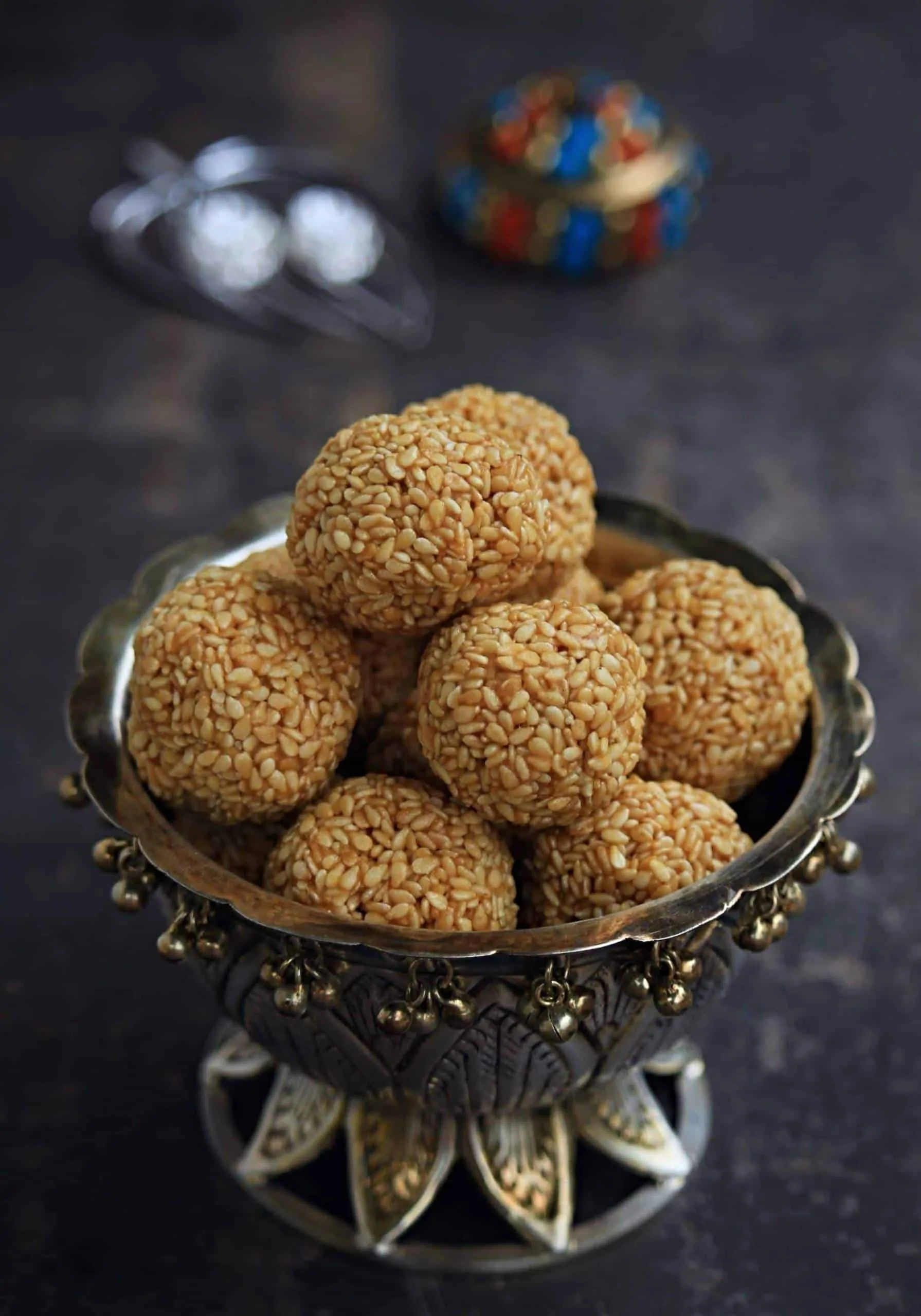
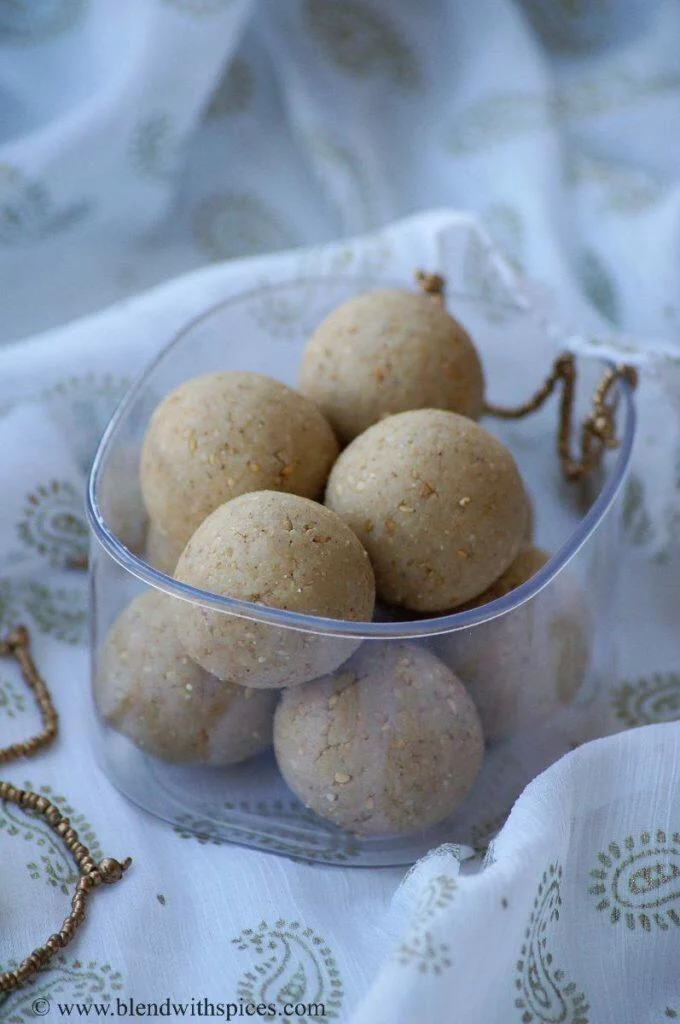
Sesame ladoo are the heart of Makar Sankranti celebrations across India. This South Indian version of the recipe features roasted sesame seeds, which are ground into a powder, mixed with jaggery, then shaped into small balls. Each bite is loaded with the characteristically nutty flavour of sesame, with the earthy, slightly sharp sweetness of jaggery cutting through.
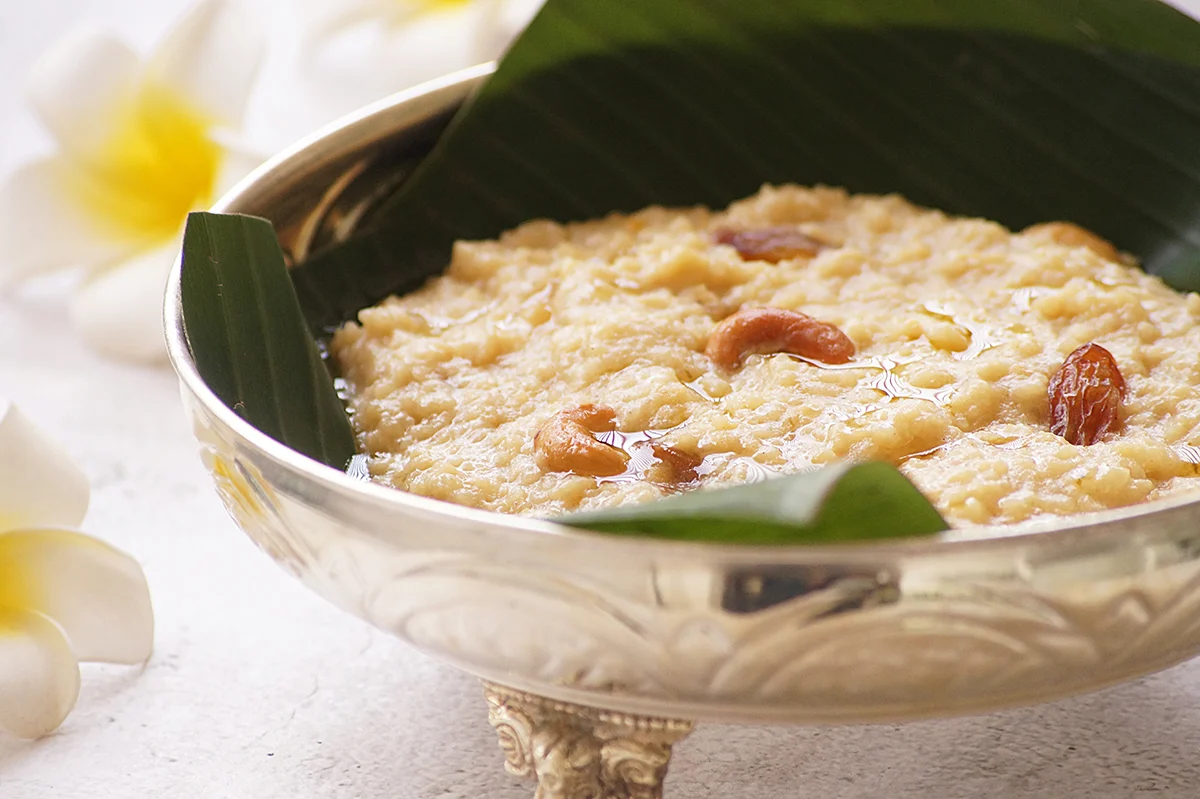
Making sweet pongal in the Instant Pot is easier than classic slow cooking … and it loses absolutely none of its traditional soul. Rice and moong dal are cooked together with milk until unbelievably creamy, then get sweetened with jaggery, perfumed with cardamom, and finished with nuts fried in sumptuous amounts of ghee. It's the dish that symbolises Makar Sankranti for much of South India, where the festival actually shares the same moniker as the dish! Tamil families let the dessert overflow from the pot to symbolise being blessed with abundance.
This isn't your average sabudana khichdi. It's fluffy, non-sticky, and absolutely bursting with citrusy flavour. Fresh curry leaves, peanuts, and green chillies transform humble tapioca pearls into something you'd happily eat for breakfast even when you're not fasting.The trick is to get each pearl to remain separate whilst still being perfectly tender — and this recipe shows you how.
A celebration of til (sesame) and gud (jaggery), these ladoo are perhaps the most quintessential Makar Sankranti treat. Exchange them with the words “til gud ghya, god god bola” (with this til gud, speak sweetly)!The roasted sesame brings nutty depth, while the jaggery provides sweetness and a sticky binding, allowing the sweets to be rolled into the distinctive balls. They're small, but one bite is all you need to capture the essence of this magical festival.
This Jammu speciality is made in a professional halwai (sweet-maker) style — according to Bless my Food by Payal, you'd eat these delicacies to break your fast. They're also a popular Lohri/Makar Sankranti food in nearby Punjab! Pugga is a creamy, rich, irresistible dessert made from khoya, sugar, sesame seeds, and cardamom powder, with a fudge-like texture. If you want a unique regional treat for your festive celebrations, this is the one for you.
Why choose between nuts when you can have them all in one chikki? This version combines almonds, pistachios, coconut, sesame seeds, and, rather unusually, pumpkin seeds — adding a mild, earthy flavour and slight chewiness. All the nuts are held together by sugar brittle, and I'm obsessed. Each bite is different from the last, but this is a traditional chikki through and through. Quintessential for Makar Sankranti!
Delicate vermicelli noodles are roasted in ghee until golden brown, then simmered in thickened milk, sweetened with sugar, and scented with a dash of cardamom, saffron, and rose water. This kheer — a beloved Indian dessert at its best — is lighter than typical rice-based versions, but no less luxurious. Finish it with a scattering of nuts for textural contrast with the creamy pudding underneath.
A must on every Maharashtrian's dinner table on the eve of any celebration, puran poli are soft flatbreads stuffed with a sweet lentil filling flavoured with cardamom, jaggery, and nutmeg. Often slathered with ghee and served warm with a side of milk, this is a must-try dish.
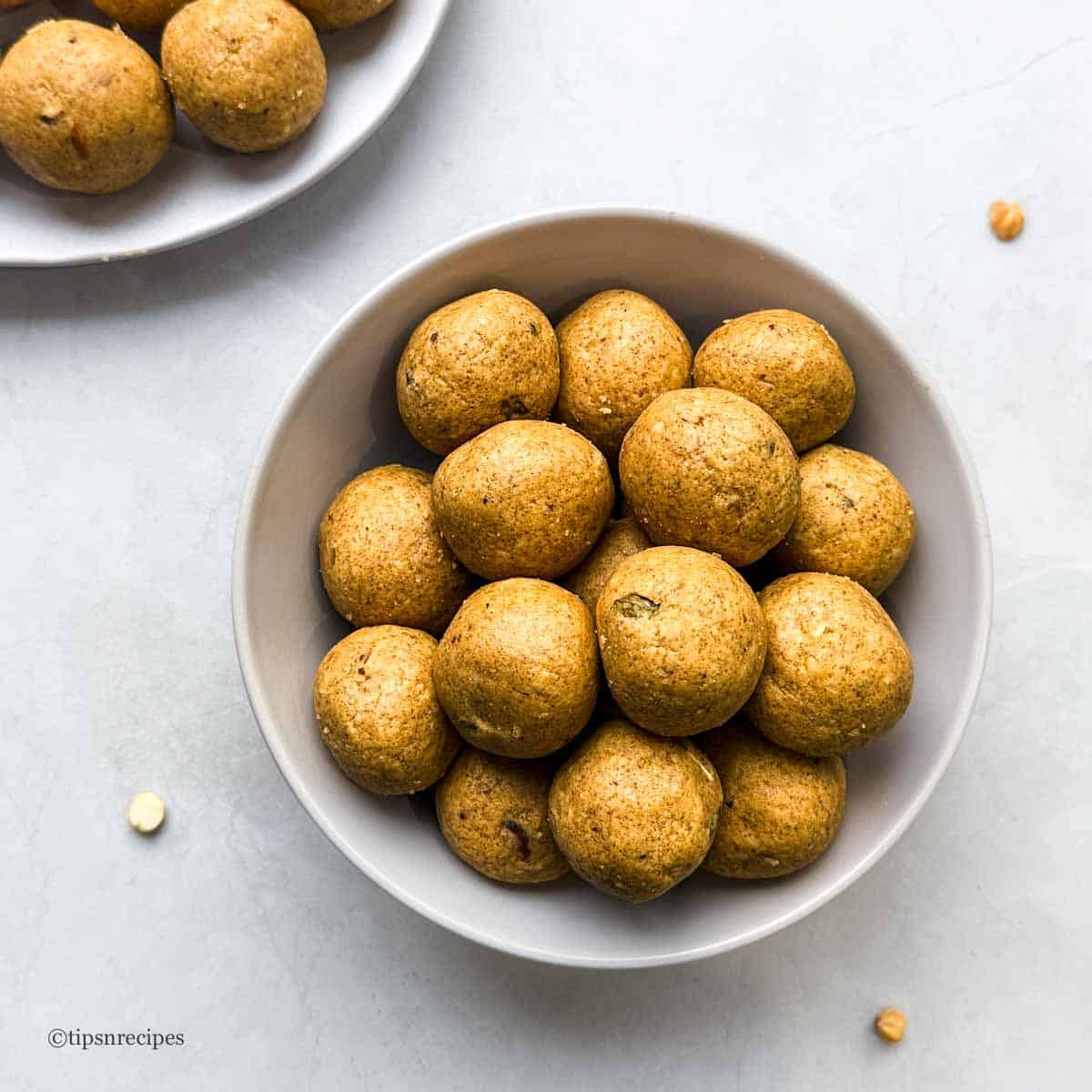
These unique little balls are a slightly healthier take on the popular Indian sweet, besan laddu. Roasted black chickpeas (kala chana) are ground into flour, then roasted with ghee and sugar to amplify the nutty flavour. Mixed with chopped nuts and raisins, they have a robust, buttery, and slightly earthy flavour that's not overly sweet.
Patishapta (Bengali Rice Flour and Coconut Crepes)
Thin, delicate crepes made from a mixture of rice flour, semolina, all-purpose flour, jaggery, and milk. A nutty, rich, sweet filling that showcases coconut. Patishapta, a Bengali dessert beloved on Poush Sankranti, is Bengal's contribution to the pithe tradition. Unlike any crepe you've likely ever had — and dare I say it — probably better!
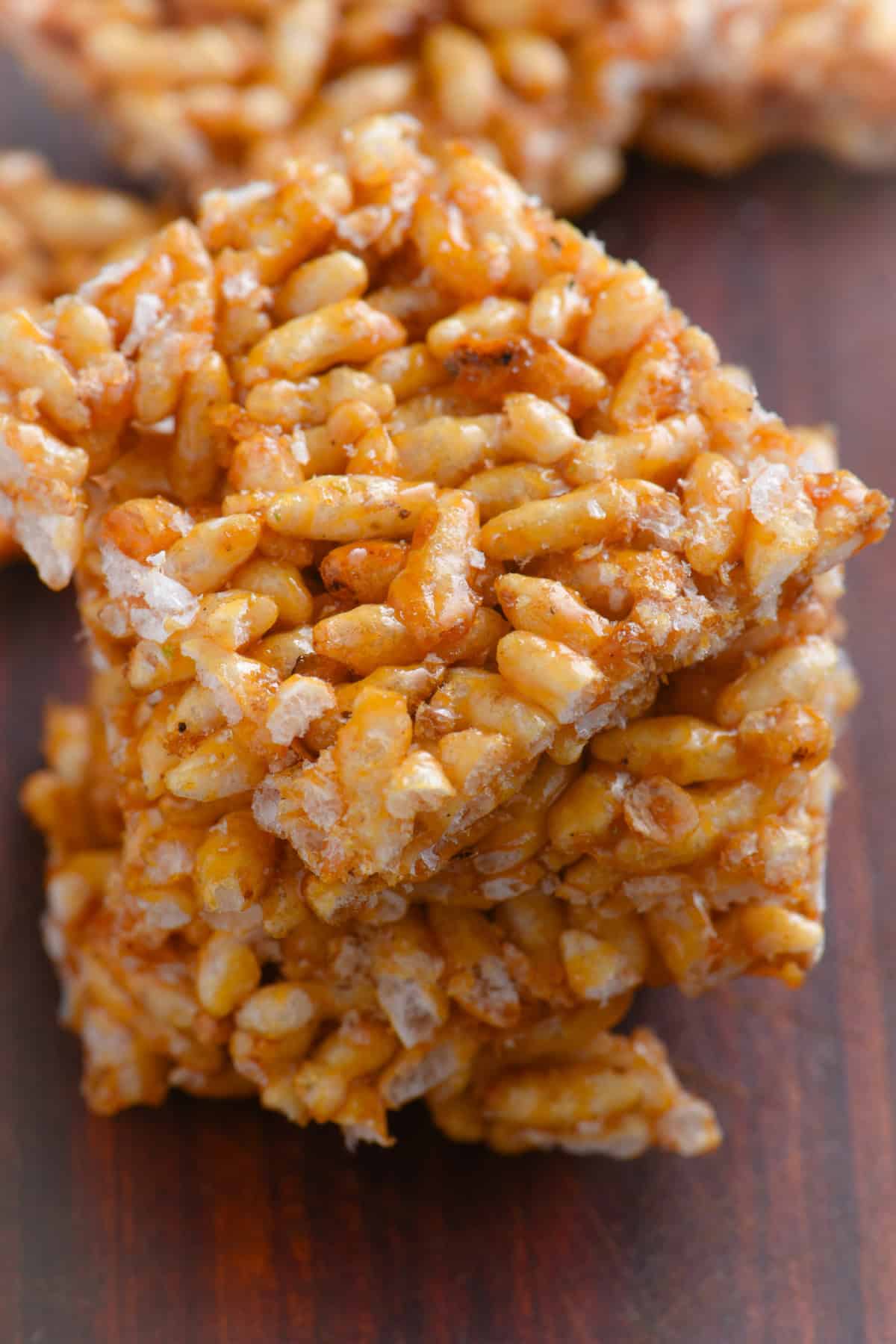
Puffed rice (murmura) gives this chikki an incredibly light, crispy texture that's quite different from the usual nut-based versions. It's less rich, more delicate, and you can eat a lot more of it (whether that's a pro or con, I'll let you be the judge!).
Rice flour dumplings filled with jaggery-sweetened coconut and poached in a thickened, sweetened milk — that's dudh pithe for you!The dumplings themselves are subtly sweet, but soaking them in the milk — which is reduced until it's almost custard-like — is what renders the treats soft, creamy, and full of a rich, delicate flavour.
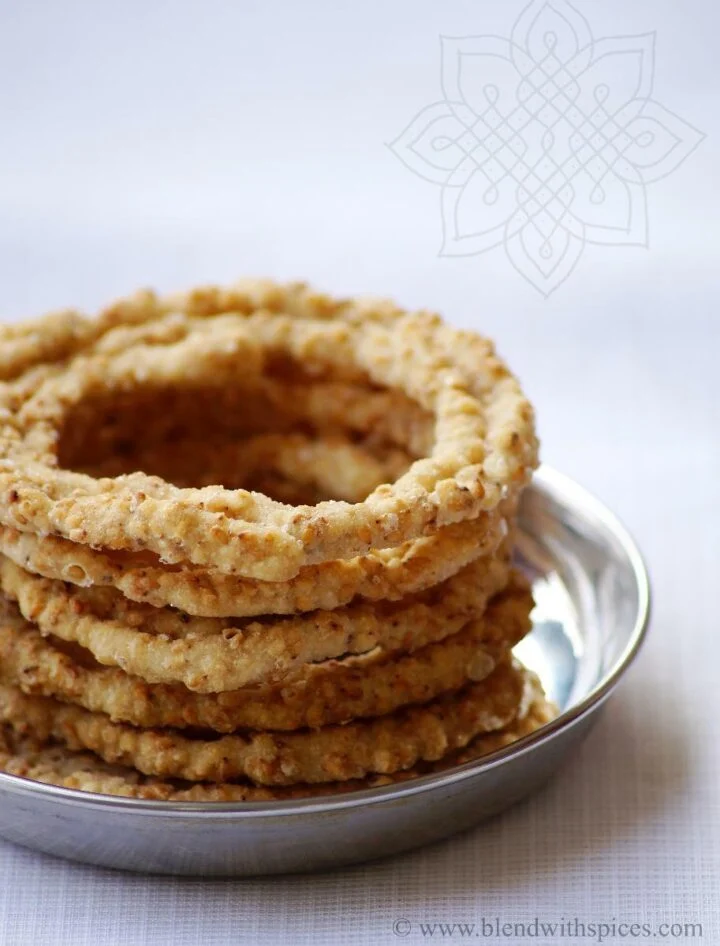
I look forward to few things more than deep-fried snacks on festivals, and these sakinalu are no exception! Rustic spirals made from homemade rice flour (although you can use store-bought), sesame seeds, and ajwain, sakinalu are crisp, savoury, and just slightly spiced. Simple, oh-so-good, and perfect to make ahead and then store until cravings hit, they're an excellent counterbalance to all the sweets that usually dominate Makar Sankranti spreads.
This Maharashtrian mixed vegetable curry is specifically made for Makar Sankranti. It brings the best of winter seasonal vegetables together in a robust, thick gravy made from peanuts, sesame seeds, and toasted coconut. This isn't a mild dish … it's packed with hearty spices that warm you through.
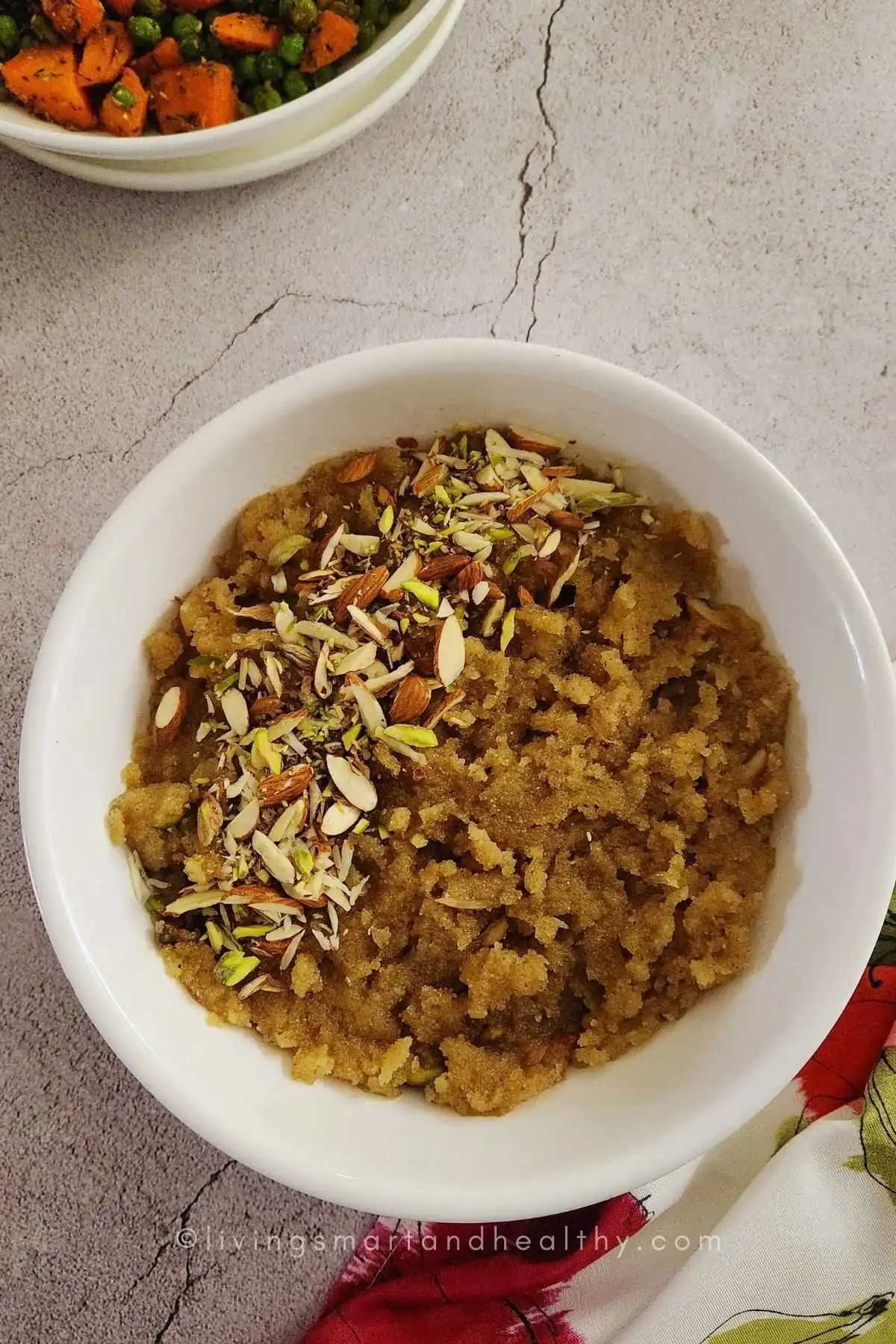
Jaggery (or gur) is a crucial ingredient for Makar Sankranti recipes (if you couldn't tell already!), and this recipe showcases it wonderfully. A simple halwa made from ghee-roasted semolina and plenty of jaggery, it's cooked until it reaches the perfect consistency. The deep, caramel-brown colour (and matching sweetness!) is irresistible … a flavour that refined sugar can never match. Spiced with subtle hints of green cardamom and aromatic nutmeg, it almost tastes like grandma's.
Unlike traditional hard chikki, this version boasts a soft, fudge-like texture. It's easier on the teeth (perfect for those who find regular chikki a bit too hard to tackle!) but still delivers that satisfying mouth-feel that chikki is known for, plus the familiar combination of peanut and jaggery.
In a deviation from the typical tik ladoo, sesame seeds meet khoya (milk solids) in these ridiculously rich and indulgent treats. The khoya adds creaminess, depth, and a certain decadence that plain til laddo don't have, while the sesame provides the essential nutty flavour you expect on Makar Sankranti.
Say hello to ghee-roasted semolina, which creates a toasted, nutty base for this soft and fluffy pudding. Scented with cardamom and enriched with nuts, the floral notes of saffron, and sugar to sweeten things up, Maharashtrian sheera is a comforting sweet dish that appears at every celebration, and Makar Sankranti is no exception.
Bengal is known as India's sweet treat capital, and it's not without reason. Sweet potato gives these Bengali pithe their distinctive colour and subtly sweet flavour. Shaped into dumplings, stuffed with the traditional combination of jaggery and coconut, then deep-fried until mouth-wateringly golden, this isn't healthy … but it is delicious. We're not done yet, though. The pithe are soaked in a jaggery syrup flavoured with the sweet, spicy, and floral notes of green cardamom.
Not quite the traditional til chikki: This version adds more fragrance and complex sweetness to the candy with the addition of honey, and swaps sugar with a zero-calorie alternative. Doubtful? Don't be. This recipe still produces a sweet that's got all the hallmarks of a recipe that's endured through generations.
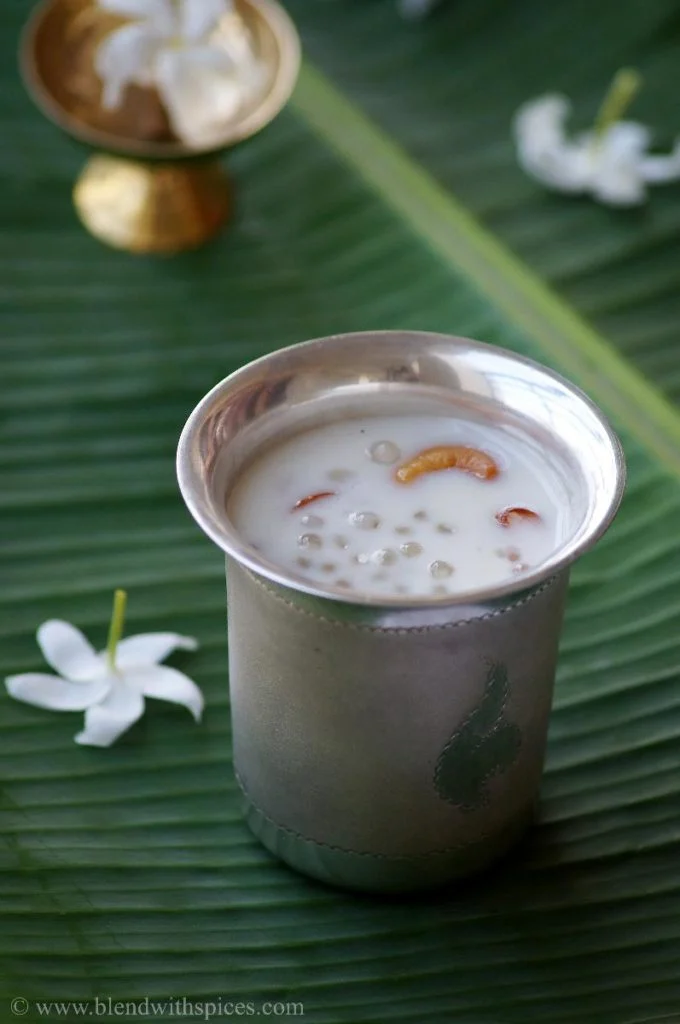
This South Indian kheer recipe highlights tapioca pearls — but unlike many other dishes, there's no soaking required. Just roast in ghee with a handful of nuts, bring milk to a boil with a good dose of sugar, then boil the sabudana until translucent and soft. The texture is uniquely creamy, with each tiny pearl of sabudana soaking up the sweet, cardamom-scented milk.
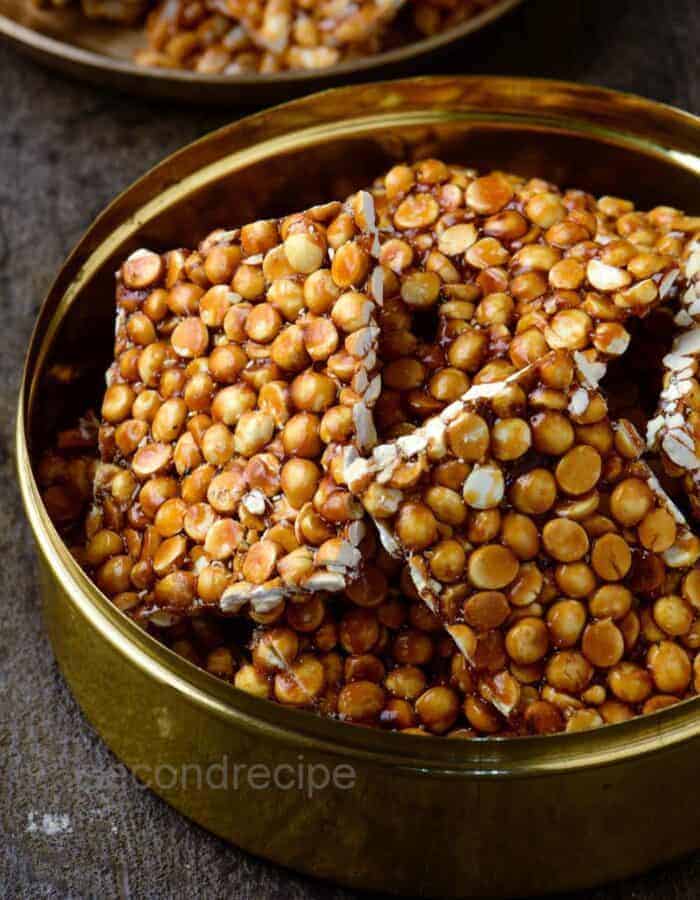
Roasted, puffed chana dal are suspended in a jaggery brittle, creating a protein-packed (yes, desserts can have protein too!) and deeply satisfying chikki. This is an easy recipe with just a few ingredients, but no Makar Sankranti — or Diwali — meal plan is complete without a plateful of chana chikki.
Traditional Hindu practices suggest avoiding tamasic food on this auspicious day.
That means you should steer clear of meat, fish, eggs, alcohol, onion, garlic, fermented foods, and overly processed foods. The focus is on consuming sattvic (pure) foods, which are believed to promote clarity of mind and spiritual awareness.
Certain communities may observe particular fasting rules. If in doubt, consult a community leader ahead of time for clarity.
In addition to food, you should avoid harsh words and judgments. Makar Sankranti is a day for mindful speech, forgiveness, and kindness. Ideally, these precepts should be carried through to the year ahead.
Cutting trees or harming nature is also frowned upon. Some families also avoid cutting (or grinding) vegetables on this day (prepare what you need the night before), while others don’t use any sharp objects (such as knives or scissors), believing the day should be free of anything that divides.
What are the Offerings for Makar Sankranti?
Puja offerings vary by region. Here are some common ones:
Til gud ladoo or chikki are perhaps the most ubiquitous, especially across Northern India. Both ingredients are said to combat the harsh winter weather, hence their popularity.
Puran poli is a must for Maharashtrian puja. It’s offered to the deity and then distributed as prasad to everyone present, reinforcing the idea of sharing within the community.
Khichdi (lentil and rice porridge) is a popular offering in some areas of Northern India, where the festival is named for it. It must be made without onion and garlic, and symbolises the humble sustenance of life.
Pongal is made as an offering in Tamil Nadu. The pot is allowed to boil over while the air fills with chants of “Pongalo, Pongal!” (boil pongal, boil!). Leftovers are placed on a banana leaf and left in the courtyard as an offering to family members who have moved on from this world.
You can find many of these recipes, as well as others, in the recipe collection above!
Additionally, fresh flowers are typical of most puja set-ups — especially marigolds.
Raw foods such as jaggery, sesame seeds, sugarcane, and newly harvested rice are also considered auspicious offerings.
Hello, Reader! My name is Ellanor, and I’m the author, recipe tester, chef, and food photographer behind Oh My Veg. Outside of my work on this blog, I’m a professional food writer for a digital media company, so my life is all about food! Read More about Ellanor