
This Paneer Balti Is Better than Takeaway (No Base Sauce)
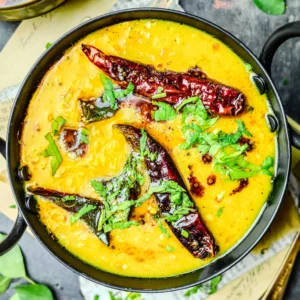
Tangy, earthy, spicy, and smoky: this is restaurant-style paneer balti, demystified. It’s the perfect vegetarian side dish to a proper curry feast, and surprisingly easy to make.
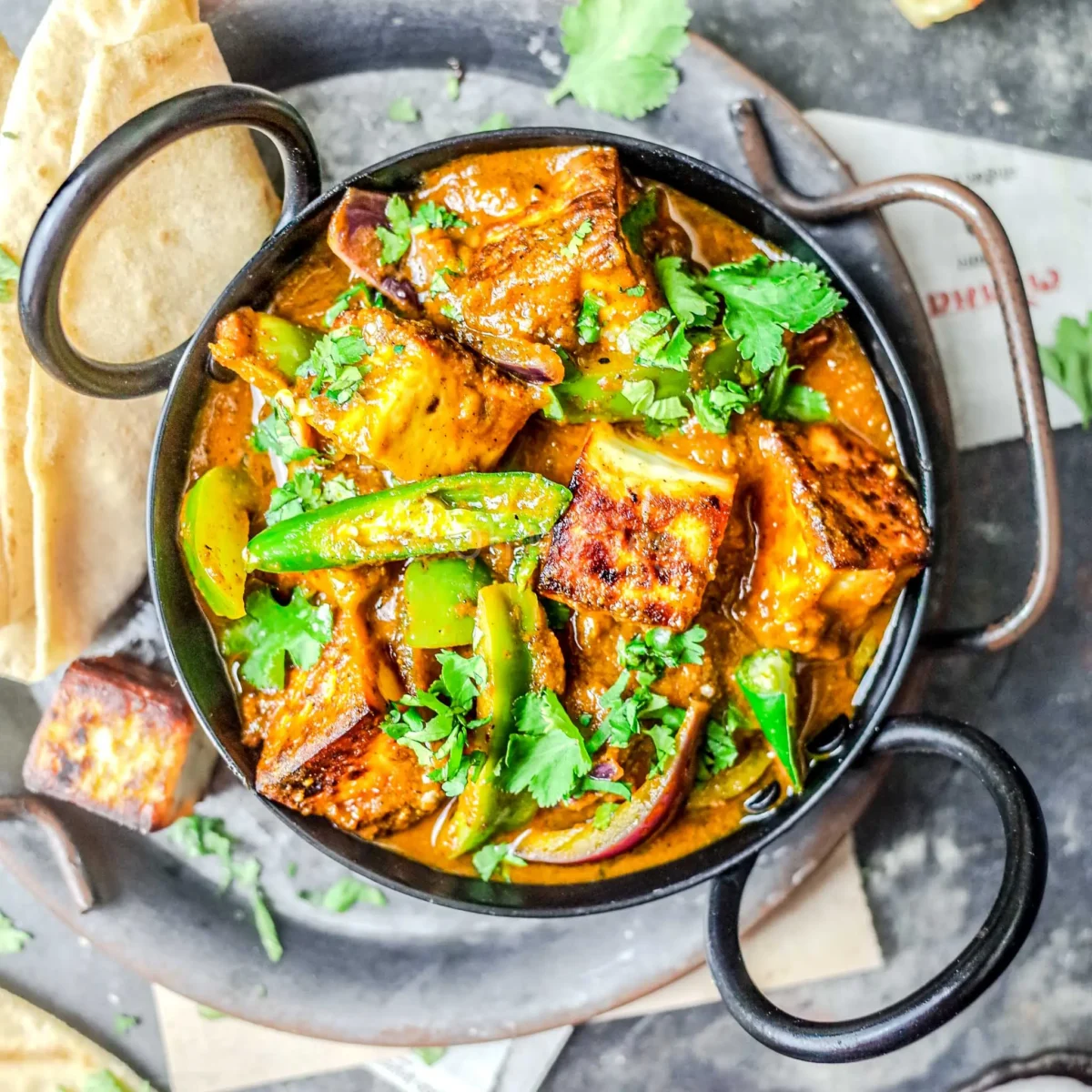
The Balti is undoubtedly a pillar of British curry house cuisine. Along with other classics like tikka masala, korma, jalfrezi, dhansak, bhuna, and madras, it makes up a large portion of Indian takeaway menus.
If you’re tired of ordering out (expensive, quality gone downhill?), I have the perfect solution for you: make your takeaway favourites at home! It’s easier than you think to achieve truly mouth-watering curries the whole family will enjoy. You only need the right recipe 😉.
This paneer balti is just that. It’s LOADED with huge chunks of creamy, mild paneer. No skimping on the protein. No opening the lid only to find four meagre pieces of paneer swimming in sauce.
Here, the balance is just right. A thick, unctuous sauce layered with deep, intense flavours: umami-rich tomatoes, earthy spices, fiery chilli, sweet onion, citrus, sour tamarind, aromatic herbs. Cooked over high heat, it becomes smoky, slightly charred, rustic … that “made over a campfire” taste that’s so irresistible.
So, are you ready to sit down, have your whole family tuck in, and hear the wow’s come flooding in? If so, let’s get down to business!
❤️ Why You’ll Love This Recipe
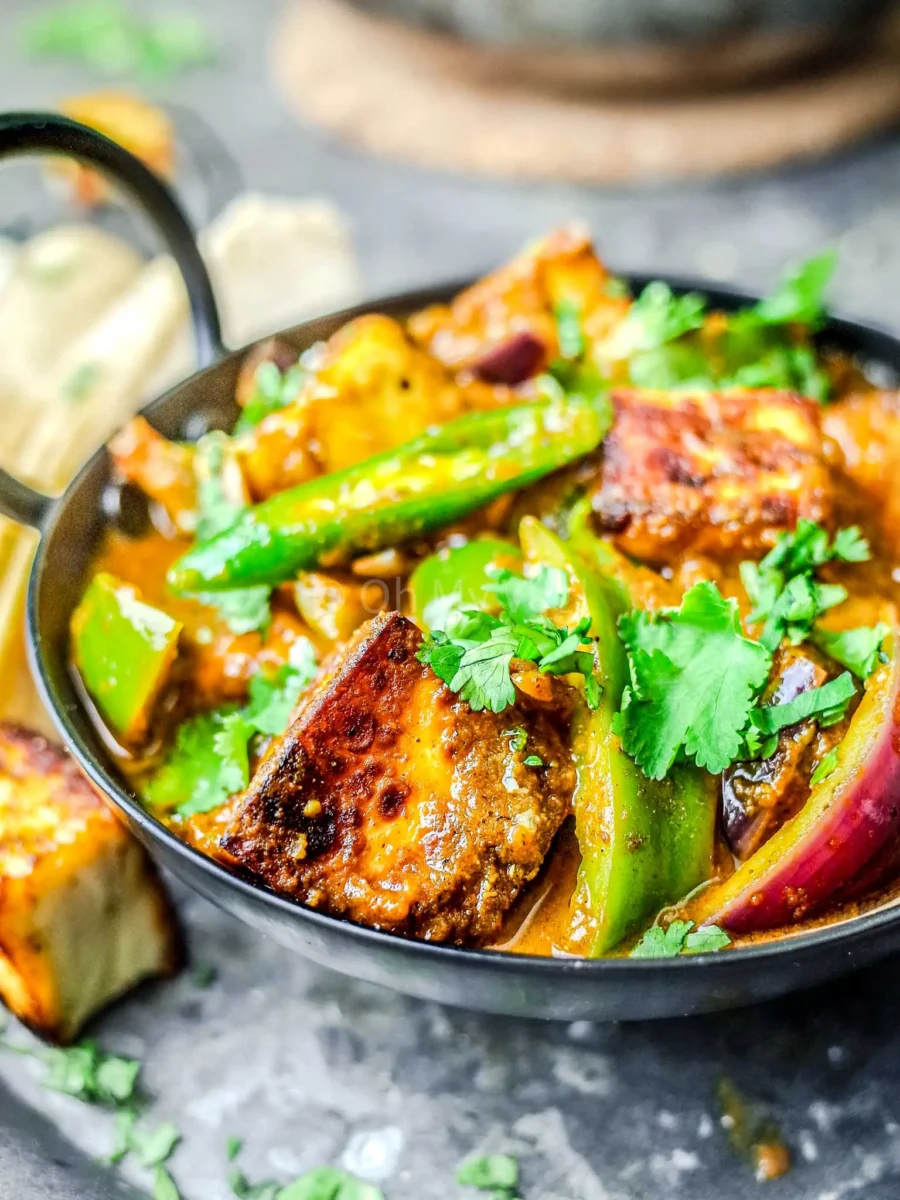
❓ What is a Paneer Balti?
Paneer balti is a popular vegetarian version of the eminent Birmingham balti (more on that later!). Chefs often cook it with chicken, lamb, prawns, or even beef.
🍛 What is the Difference Between Curry and Balti?
“Curry” is a divisive umbrella term. It generally refers to any saucy dish served in the Indian subcontinent (and later in other countries). Think palak paneer, massaman, dum aloo, lauki kofta, flower batata rassa … these are all curries, yet share little in common.
Defining characteristics of the Balti include:
- Ingredients which always include a protein, bell peppers, onions, and green chillies.
- Cooked and served in a balti dish.
- Cooked over high heat, vs the “low-and-slow” method used for recipes like dal bukhara.
- It has a consistent, thick sauce — neither stew-like nor thin, nor overtly rich and creamy like malai kofta or methi malai paneer.
🌍 Where Does Balti Come From?
This is a contentious question — the truth is, food historians can’t seem to agree on the origin of the Balti.
Let me take you to Birmingham, the U.K.’s second-largest city. It boasts a diverse population, with the largest confluence of British Pakistanis anywhere in the country. In an attempt to serve the community’s needs — and later, to feed the wider British population’s growing interest in “curries” — many British-Pakistani restaurants sprang up.
In 1977, a local restaurateur, Mohammed Arif, opened one such restaurant. He claims to be the originator of the concept. Now, over 40 years later, Birmingham is home to the iconic Balti Triangle — a confluence of restaurants all serving the dish.
Late food journalist and writer Pat Chapman believed that the dish could be traced to a beautiful, mountainous region of Northern Pakistan called Baltistan. So, perhaps the dish was authentic Pakistani cuisine that had made its way to British shores.
It seems the commonly accepted story is that Balti was invented in Birmingham (U.K.), in the late 1970s and is inspired by authentic Pakistani cooking.
But yet, some people disagree.
Among them is respected cookbook author and personality Madhur Jaffrey, who stated about the dish, “Around the 1980s, I really studied the balti and whether it had any authenticity or not. It was just a craze … I don’t think it has origins in any place we would want to visit. I think it will slowly die.”
Moreover, scholars Ziauddin Sardar and Parama Roy both agree that the dish is far from authentic. They assert that far from being a hidden gem from Baltistan, it was a well-executed marketing tactic to put Birmingham restaurants on the map.
It worked: Despite Madhur Jaffrey’s words, the balti — whether authentic or Birmingham-born — is still an institution of British gastronomy. Takeaways and restaurants around the country sell countless Balti dishes every day… and you’re here now, aren’t you!
📝 So, Where Did the Name Come From?
“Balti means “bucket” in Hindi and Urdu. This might refer to the cookware: a thin, wok-like pan with handles on either side.
Conversely, other people propose that Baltistan — the region the curry may have been inspired by — is the real reason it’s named thus.
🥘 Ingredient Notes
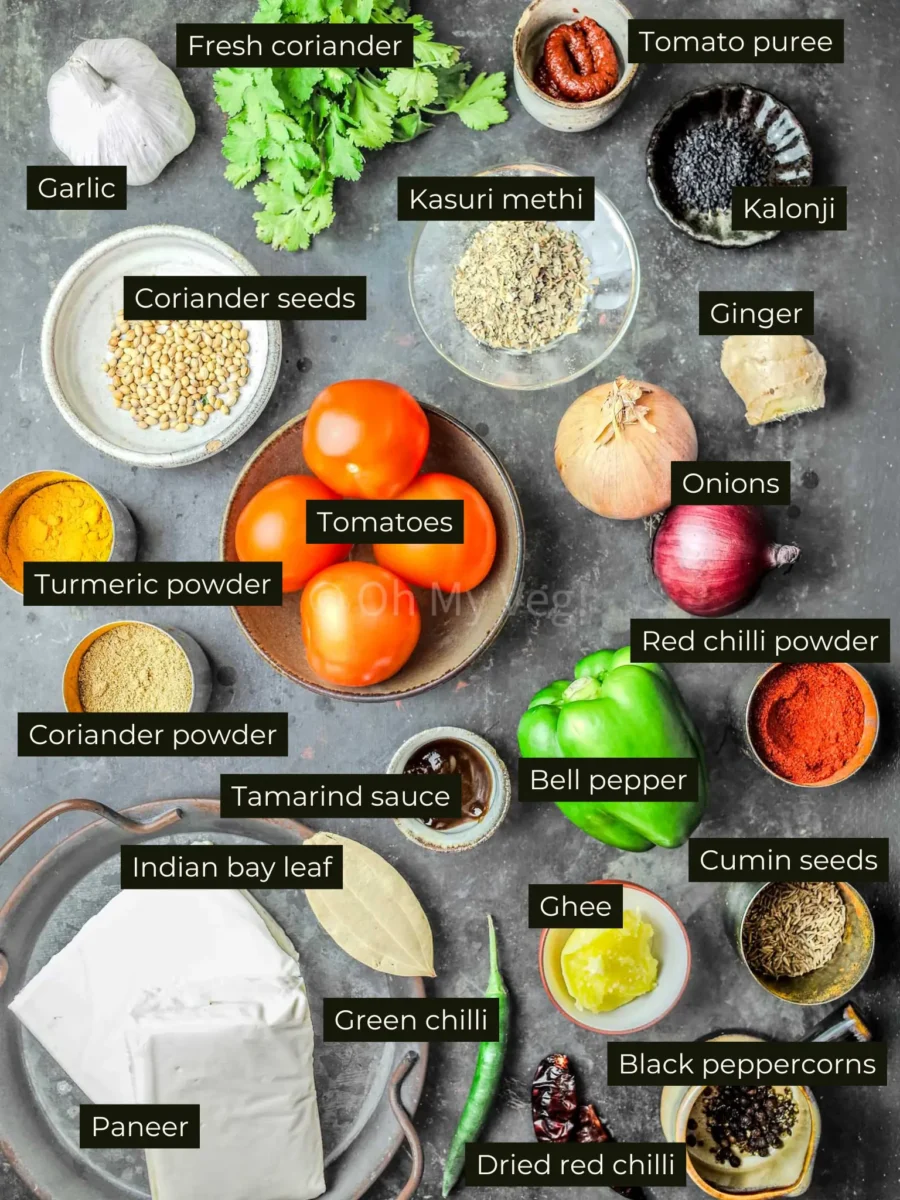
I’m going to be straight with you: you need a well-stocked Indian pantry to make this paneer balti.
There are over twenty ingredients total (most are spices), but don’t get overwhelmed: most are available in supermarkets, while more specialist items can be bought from your local Indian shop or ordered via online retailers like Amazon.
- Paneer is a mild, non-melting Indian cheese. It’s often used as a protein in vegetarian dishes (such as this balti paneer!), plus all-time favourites palak paneer, paneer samosa, and methi malai paneer.
- Ghee is a nuttier, richer version of clarified butter. While British Indian restaurants use vegetable oil for Balti dishes, I use ghee. Meat releases its own fat, whereas paneer doesn’t — this adds tons of extra flavour.
- Tomatoes bring body and a slight tanginess to the sauce. Always use fresh, in-season tomatoes if you can. Canned tomatoes are too acidic.
- Indian bay leaf has a warm, woody flavour. Indian bay leaves are distinguishable from European bay leaves (which aren’t a substitute; they have a vastly different aroma) by the long, vertical veins through the leaves.
- Onion adds sweetness, ginger offers a punchy peppery warmth, and garlic melts down into the sauce to create a buttery, mellow nuttiness. Use fresh.
- Ground spices, including red chilli powder for heat, turmeric powder for colour and subtle bitterness, and coriander powder for its citrusy, warm undertones.
- Tomato puree adds extra oomph to back up our fresh tomatoes. I use double-concentrated tomato puree (known as tomato paste in the U.S.).
- Bell pepper is always added to Balti dishes! I prefer the grassy notes of green bell pepper, which I find works extremely well in Indian recipes.
- Tamarind sauce (Indian, not Thai!) brings a real depth of flavour to the paneer balti with sweet, tangy, sour, and savoury layers.
- Dried fenugreek leaves (kasuri methi), crushed between your palms before adding, bring a smoky savouriness to the curry.
- Fresh coriander to garnish finishes the dish with a lemony scent and beautiful taste.
- Green chillies are sliced into chunky pieces, then stirred through the dish right at the end, offering a fruitier, sharper heat.
🧂 Homemade Balti Spice Mix
You’ll also need a handful of ingredients to make the balti spice mix: cumin seeds, fennel seeds, whole black peppercorns, coriander seeds, kalonji (nigella seeds), and whole red chillies.
If you’d prefer, you can buy a pre-made balti spice mix. However, I highly recommend taking the extra step of making your own … nothing beats the aroma of freshly toasted spices. Plus, pre-made mixes tend towards being overly salty.
🌱 Adapting for Allergies and Dietary Requirements
Paneer balti is 100% vegetarian, gluten-free, nut-free, and soy-free.
To make paneer balti vegan and dairy-free, swap paneer for extra-firm tofu. You can find it in stores or make tofu at home from just two ingredients — it has a mild flavour that absorbs the curry’s seasonings even better than paneer. Finally, swap ghee for neutral oil or vegan butter.
🥫 What is Base Sauce?
Indian takeaways and restaurants are extraordinarily busy — too busy to make every dish from scratch.
To keep up with demand, they make a huge batch of “base sauce” in advance. It typically consists of a blended mixture of vegetables and spices: think onions, carrots, cabbage, peppers, and tomatoes.
Years ago, the recipes of British Indian takeaway cooking were closely guarded secrets. Nobody knew about base sauce — and nobody cared to ask! All that changed when chefs like Julian Voigt and Richard Sayce (Misty Ricardo) went behind the scenes in takeaway kitchens, then published their findings for other curry-heads to follow.
Base sauce (or base gravy) isn’t a traditional Indian cooking technique. It’s specifically for people who want to re-create the takeaway taste. Often, arguments will break out between factions about whether authentic or BIR (British Indian Restaurant) tastes better.
🤔 Why I Haven’t Used Base Sauce
The recipes I publish on Oh My Veg are usually authentic, hidden-gem recipes from under-recognised regional cuisines.
Although I do love a good fakeaway, it’s simply not worth making a huge batch of base sauce for one recipe. You’re probably in the same boat.
So, instead of a base sauce, I make my own Balti spice blend. It’s added to a simplified, more authentic Indian base made from onions, tomatoes, and spices: quick, easy, delicious.
The result is a dish that tastes like a restaurant-style Balti, but better. It tastes like there’s more effort (even though it’s really not!), and more personalised. Less samey.
🧑🍳 How to Make Paneer Balti: Step-by-Step Photos
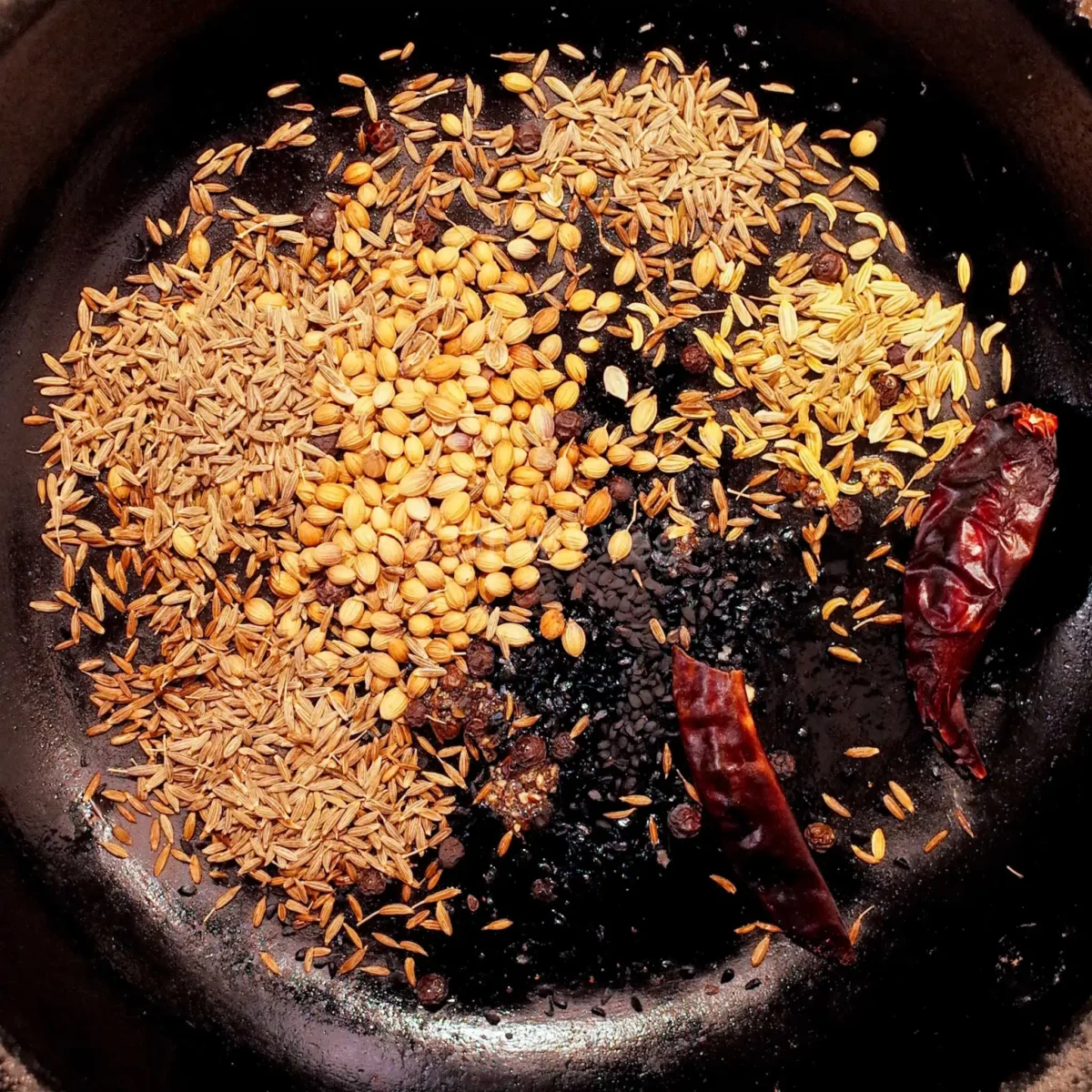
One: Toast spices (cumin seeds, dried red chillies, fennel seeds, whole black peppercorns, coriander seeds, kalonji) in a dry pan.
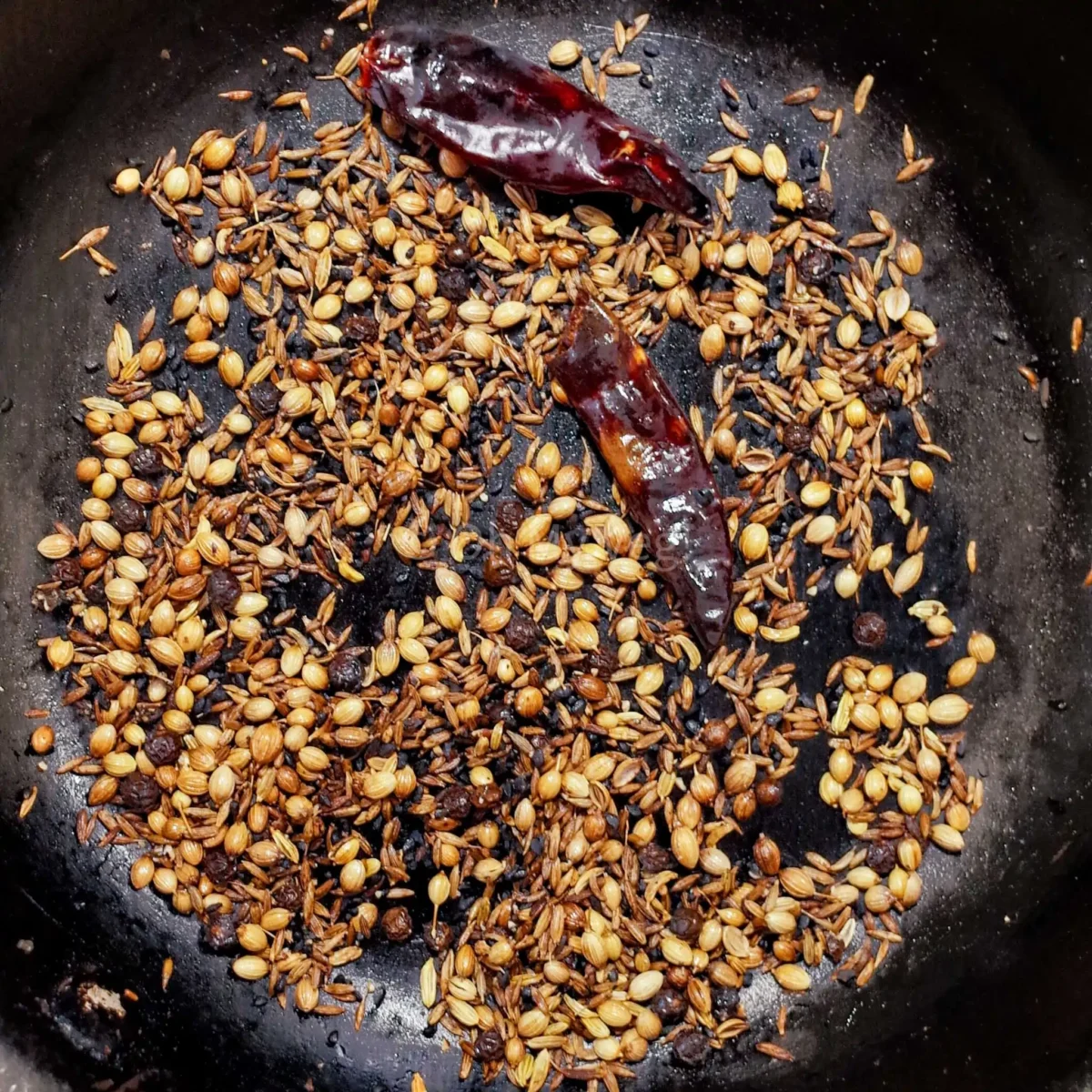
Two: Cook the spices, stirring now and then, until fragrant and slightly browned. Let the spices cool.
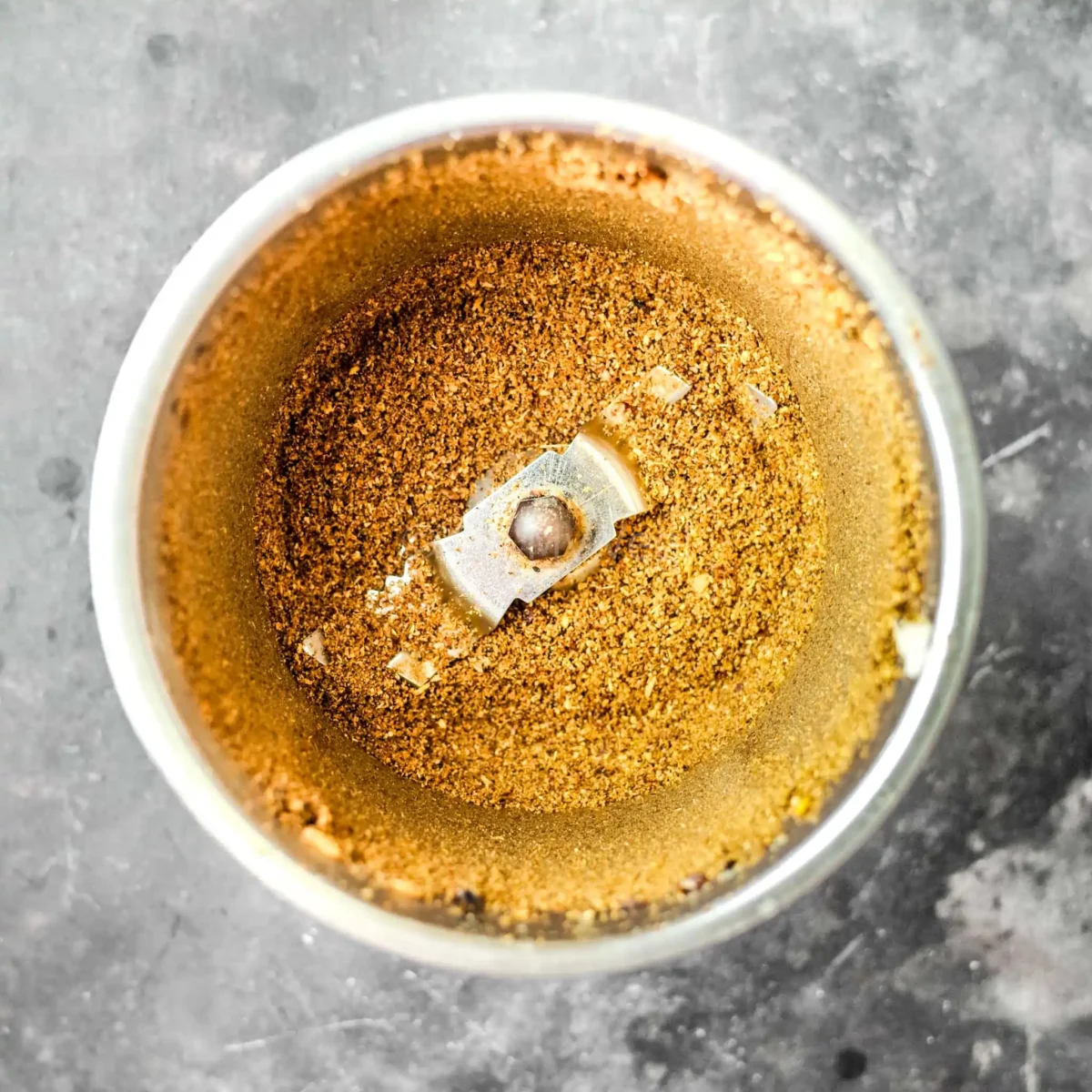
Three: Transfer the toasted spices to a spice grinder and grind to a fine powder.
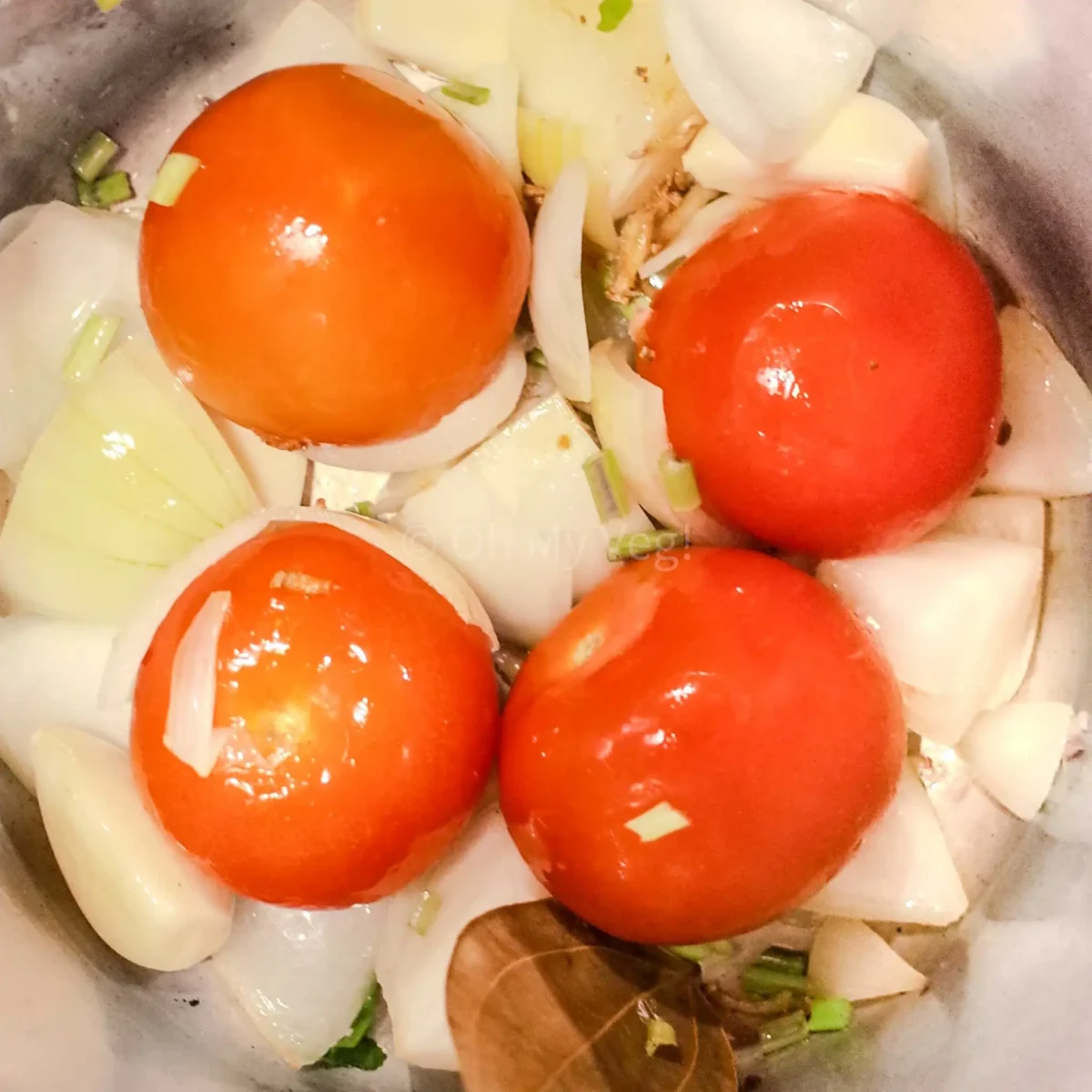
Four: Heat ghee in a pressure cooker. Add the Indian bay leaf, onion, garlic, ginger, tomatoes, and coriander stems.
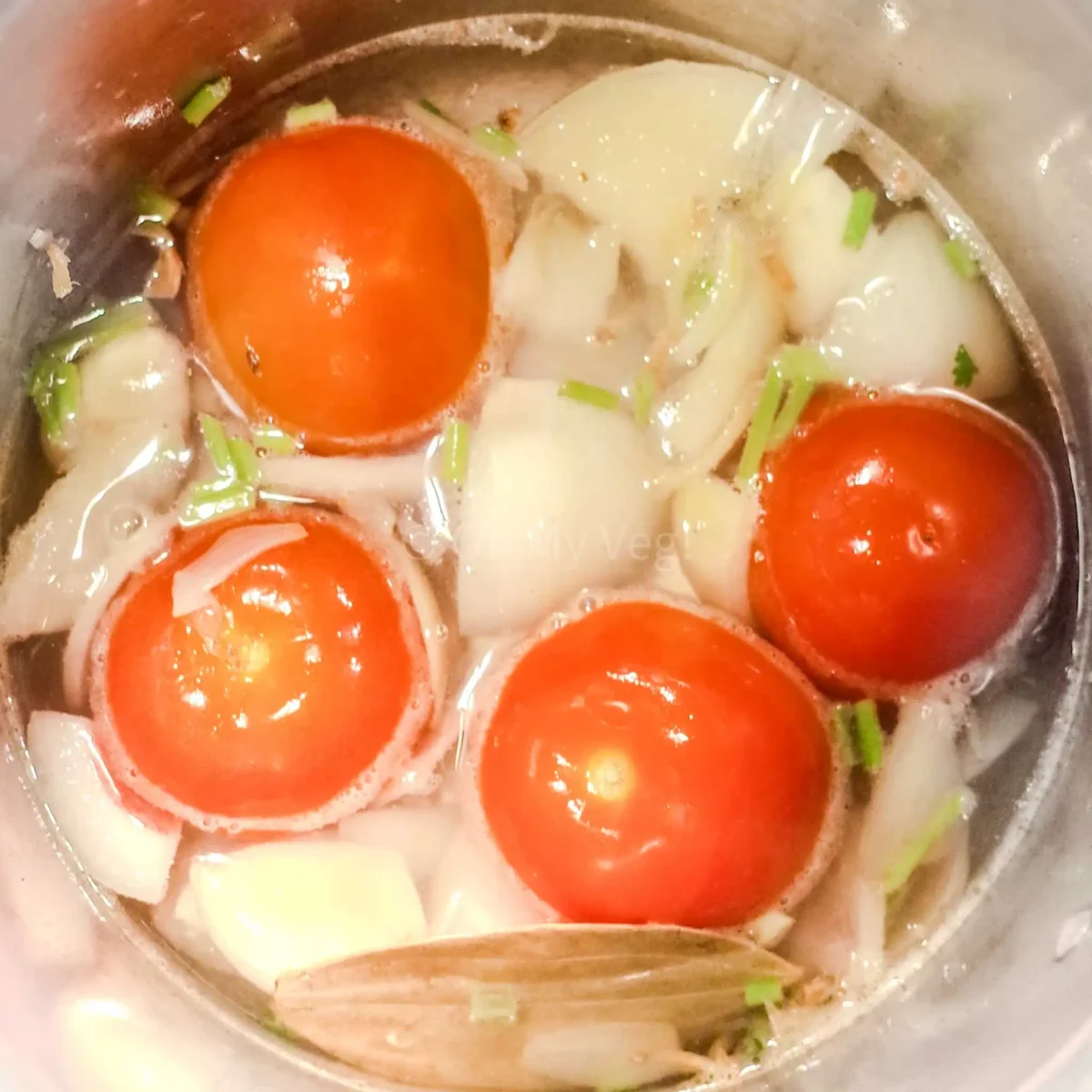
Five: Add water and cover. Pressure cook for 2-3 whistles, or boil until the tomatoes are completely soft.
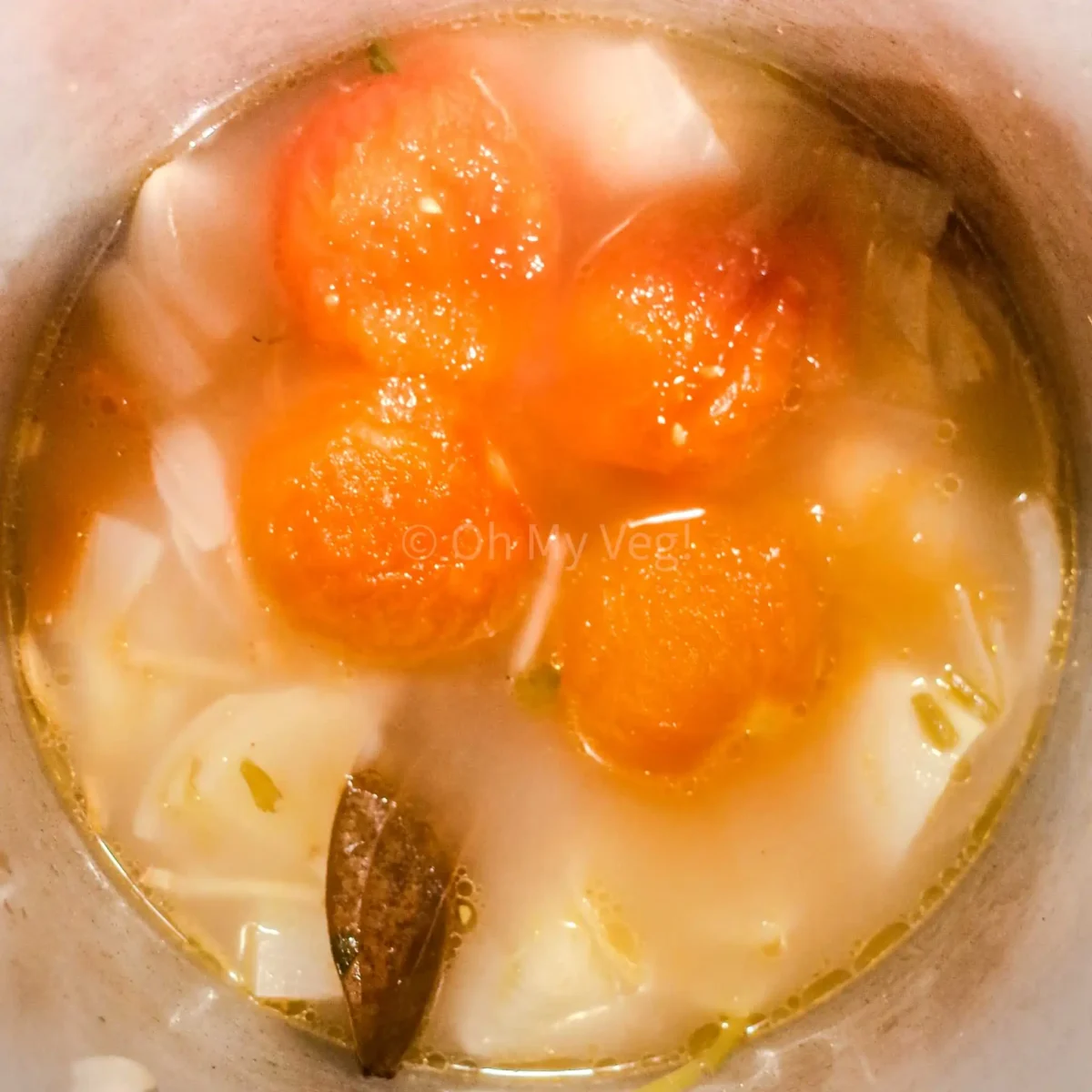
Six: Once the mixture has cooked, remove the tomato skins. Let it cool.

Seven: Transfer the mixture to a blender.
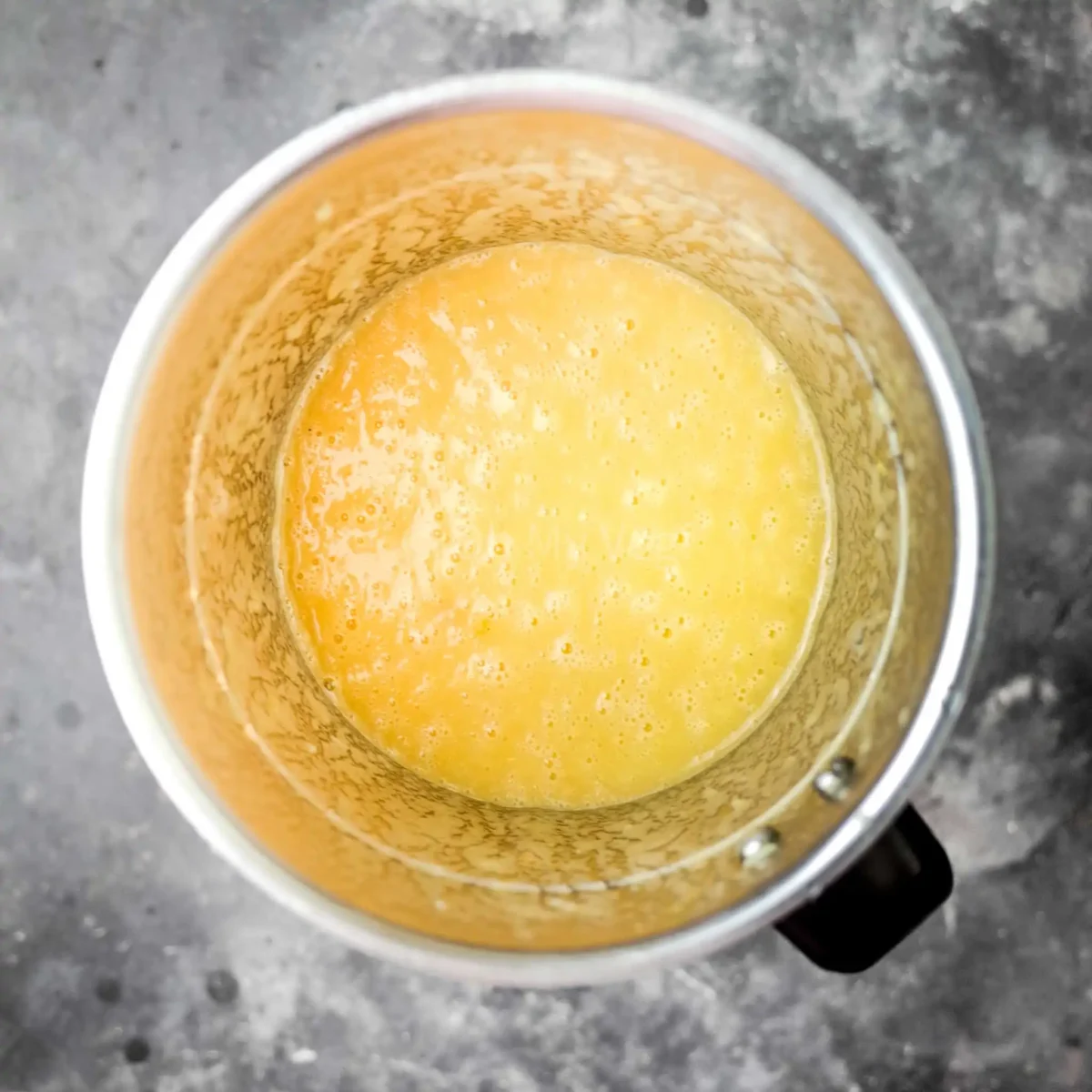
Eight: Blend to a very smooth paste.
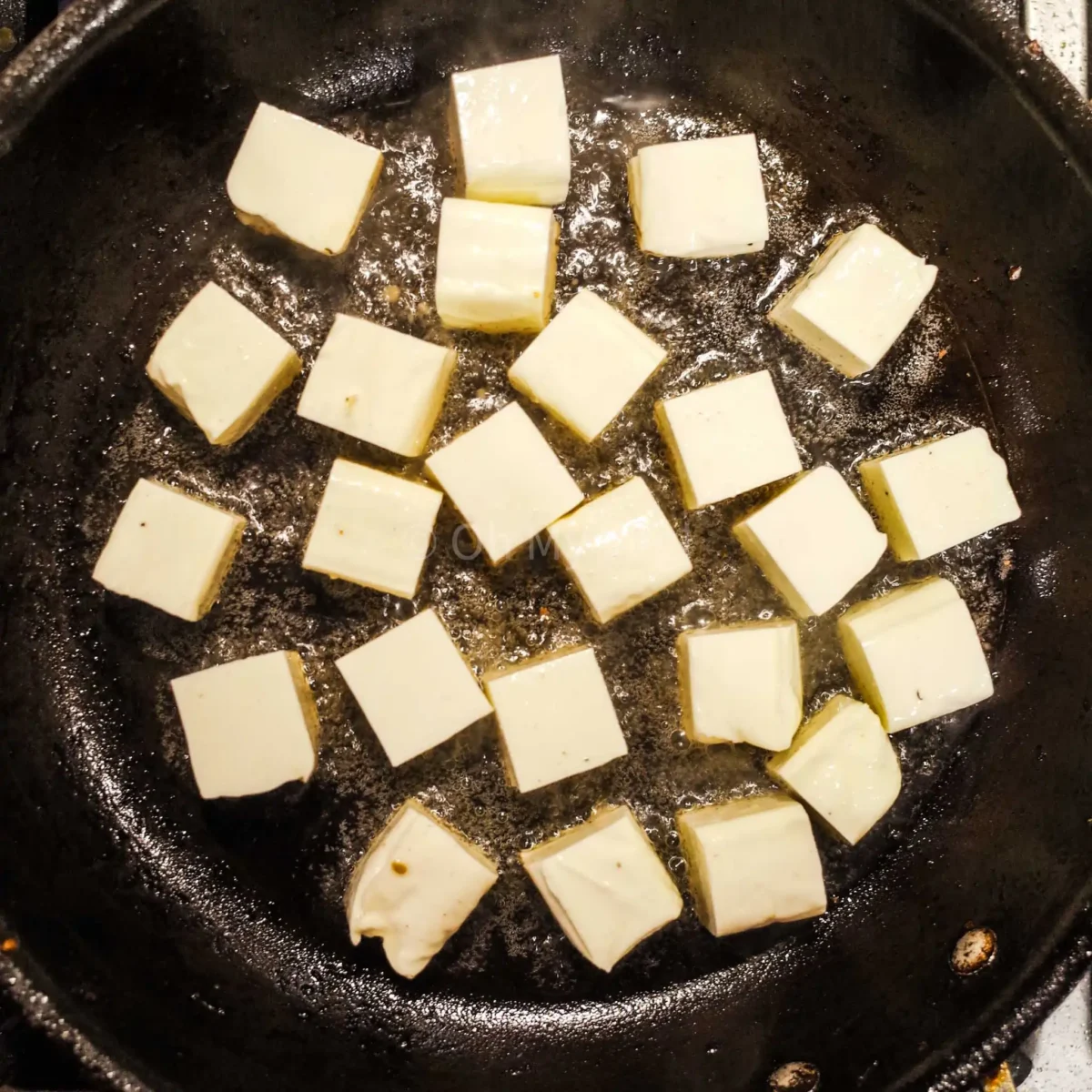
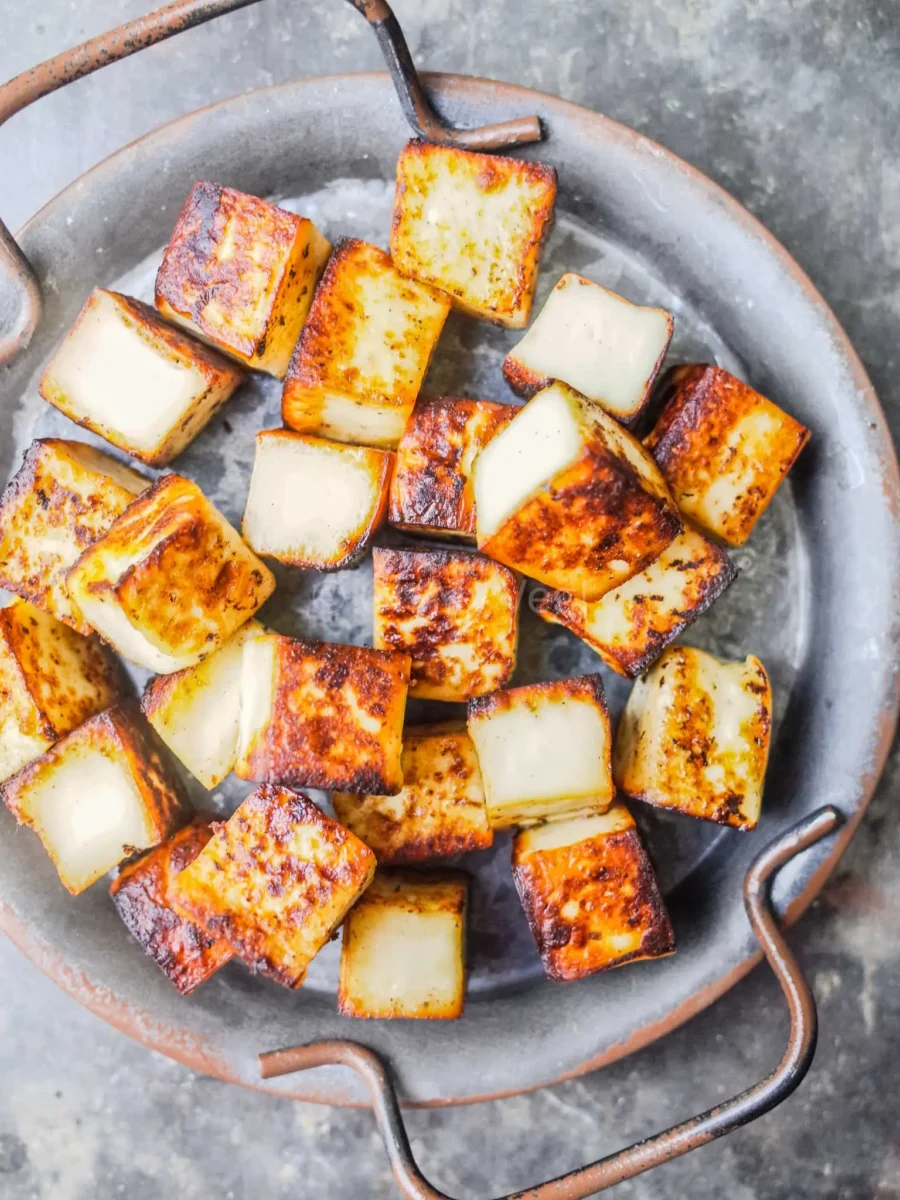
Nine: In a separate pan, heat neutral oil (or ghee) over medium heat. Add the paneer chunks.
Ten: Fry the paneer chunks until golden brown on all sides. You’ll need to turn them regularly.
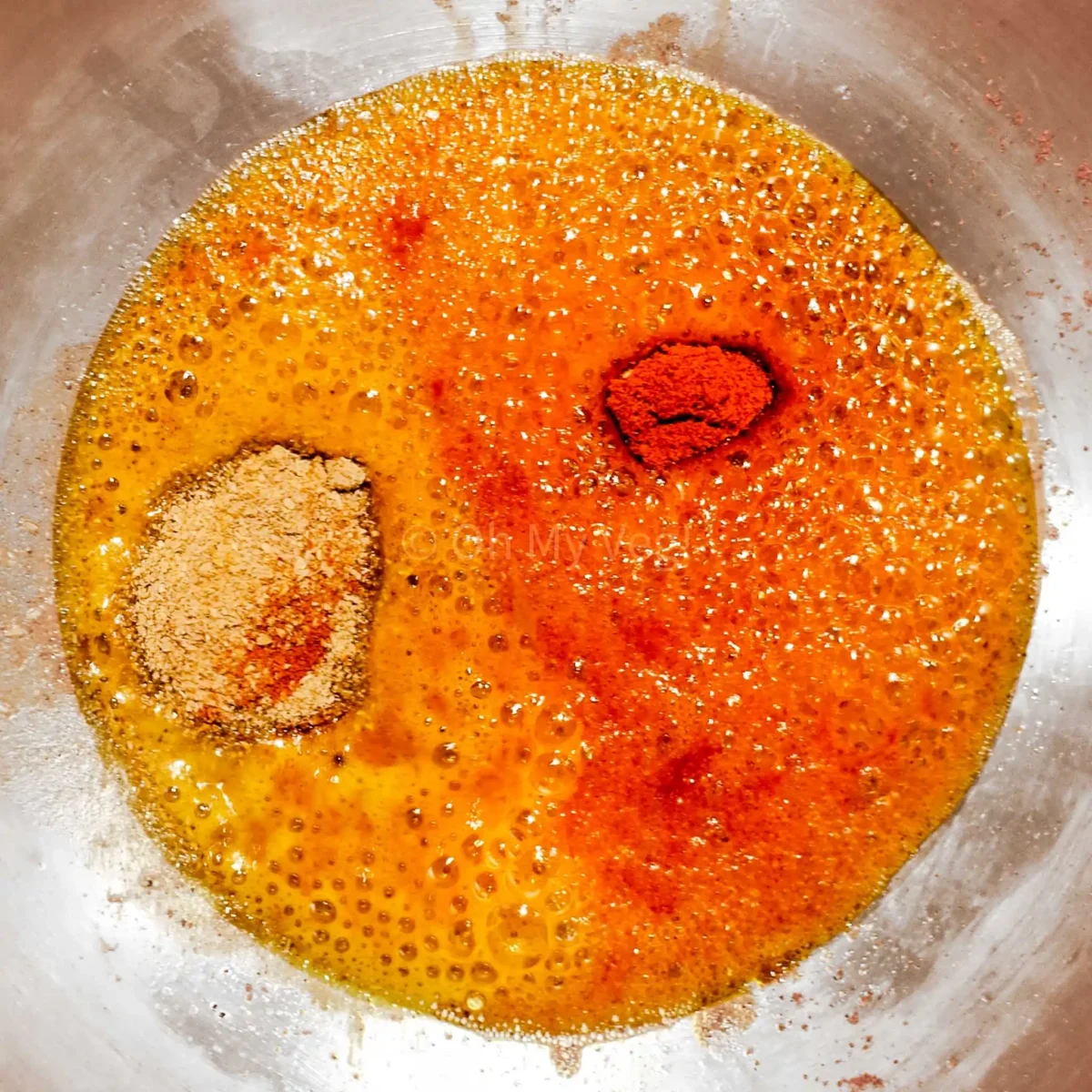
Eleven: In a large kadai or balti bowl, add ghee over low heat. Add turmeric powder, red chilli powder, and coriander powder.
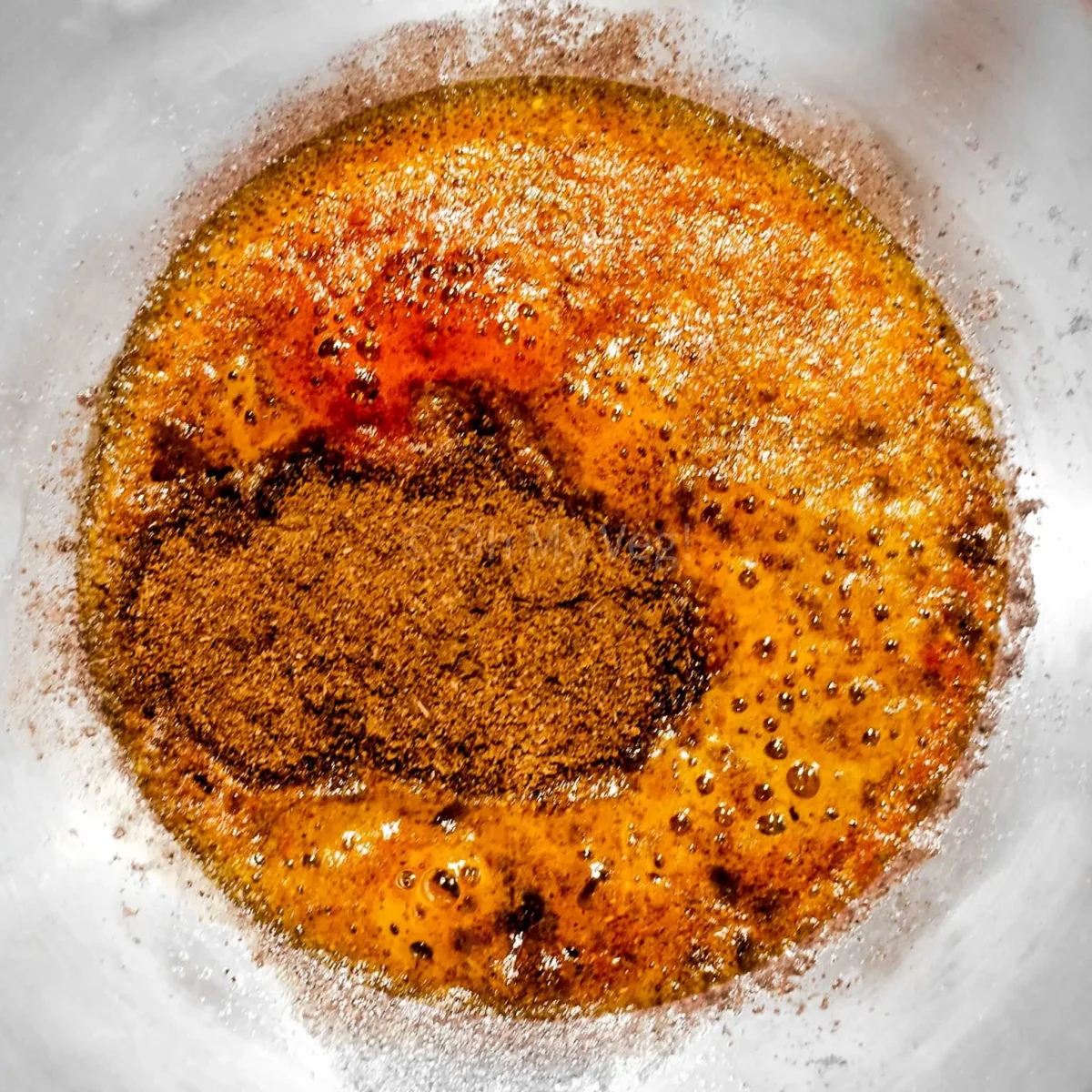
Twelve: Immediately add the balti spice mix we prepared earlier. Stir all the spices into the ghee.
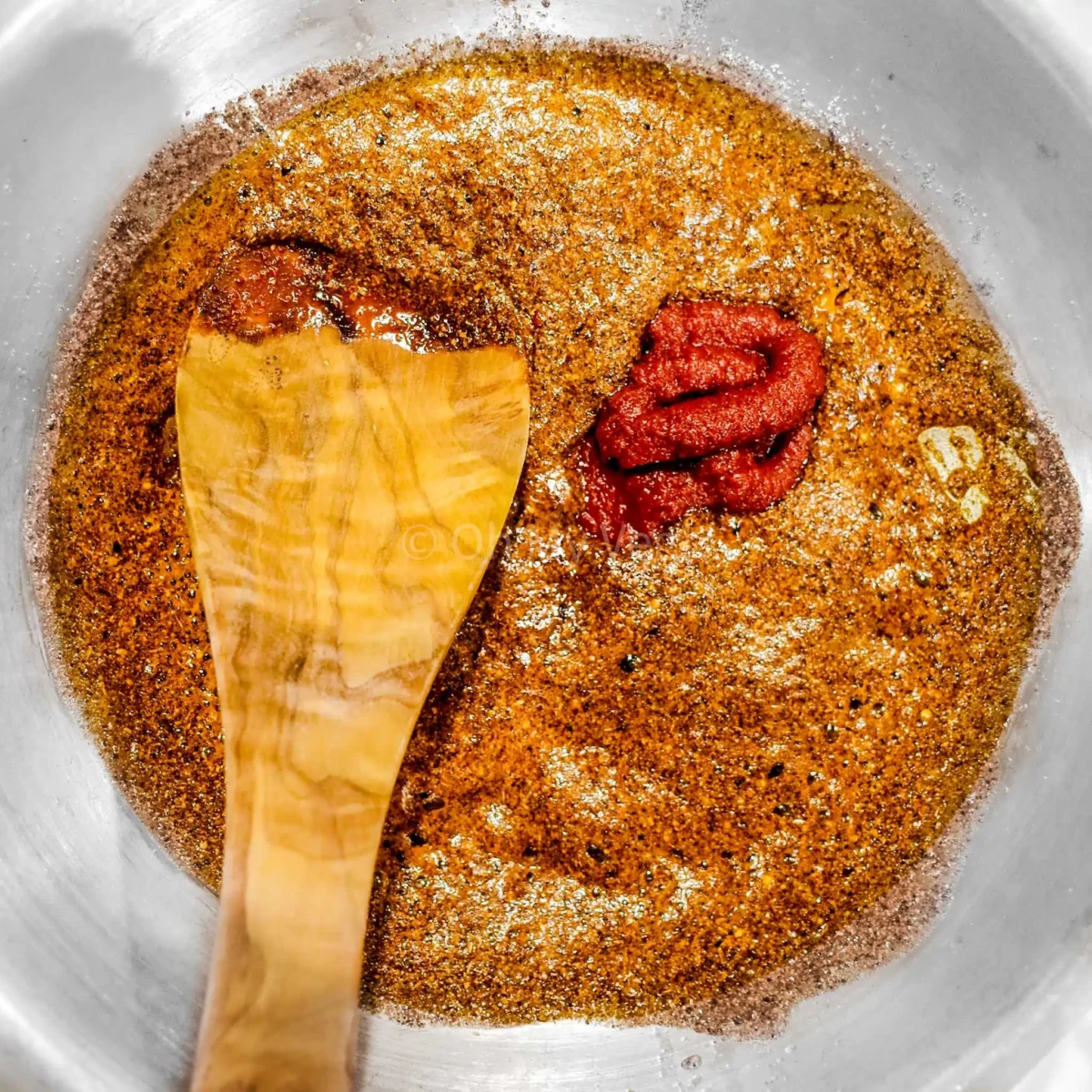
Thirteen: Add the tomato puree (double concentrate) and stir in.
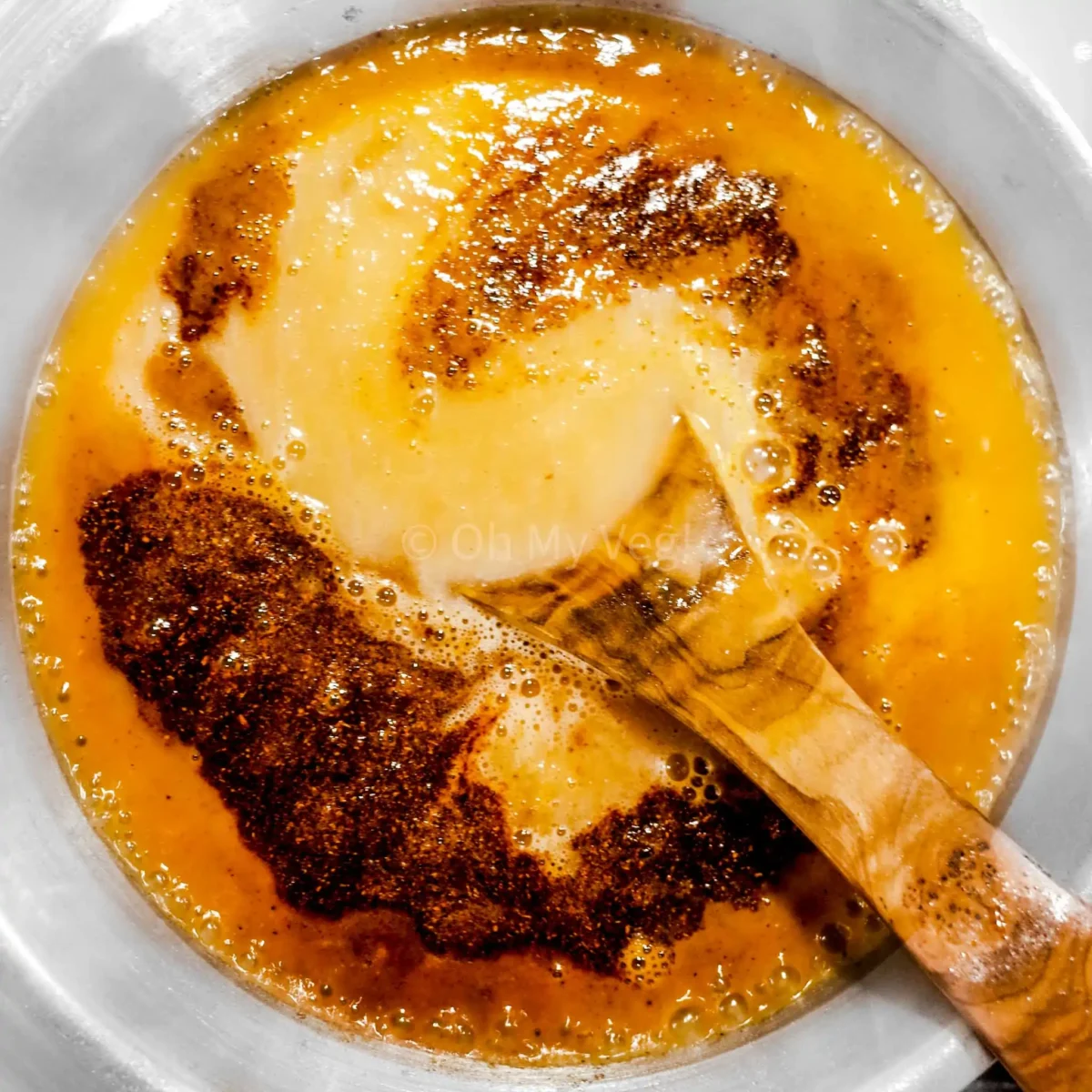
Fourteen: Pour the blended sauce into the pan and increase the heat to high. Mix well. Cook until thick, fragrant, and charring on the edges.
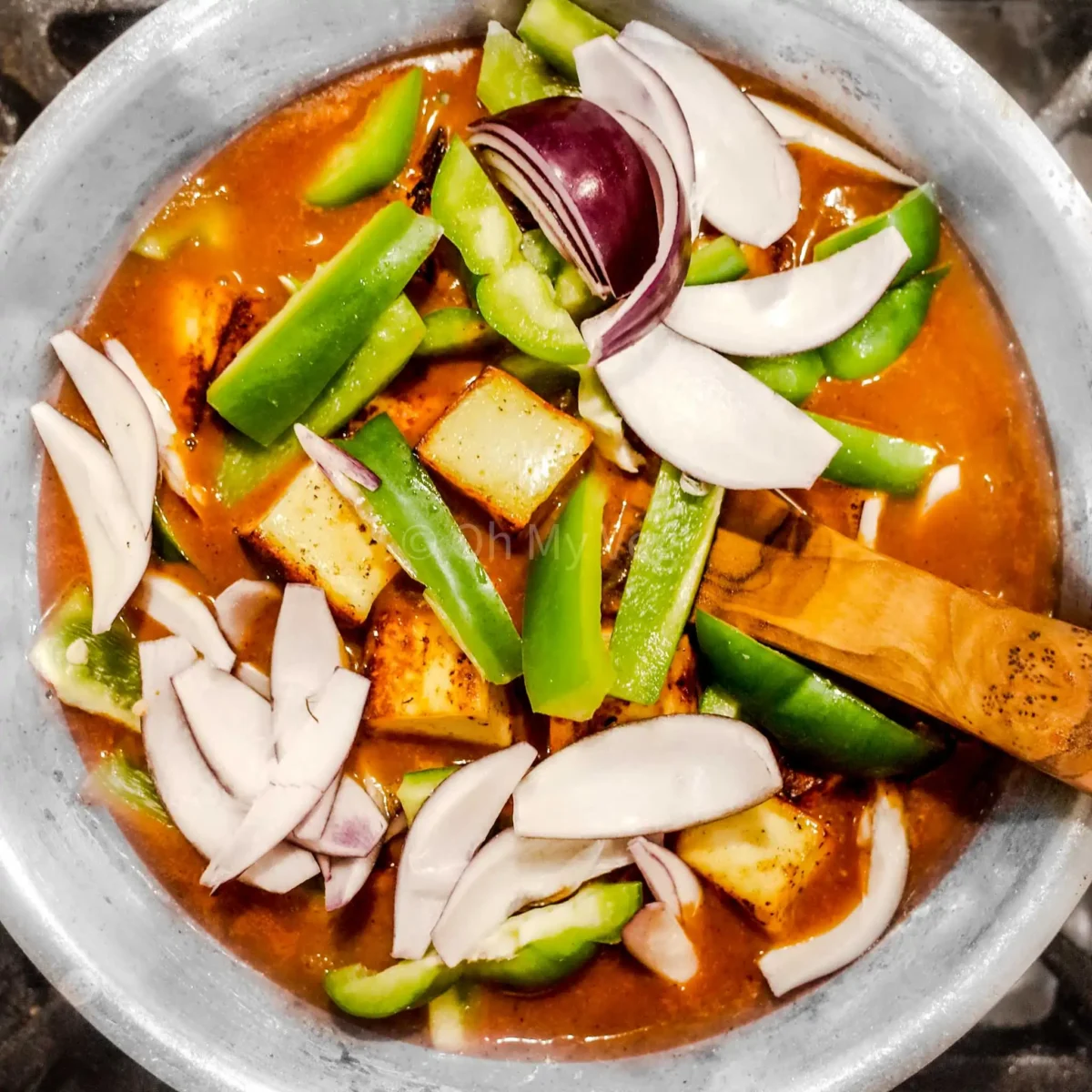
Fifteen: Add your fried paneer chunks, onion slices, and bell pepper. Let it cook for 2 minutes.
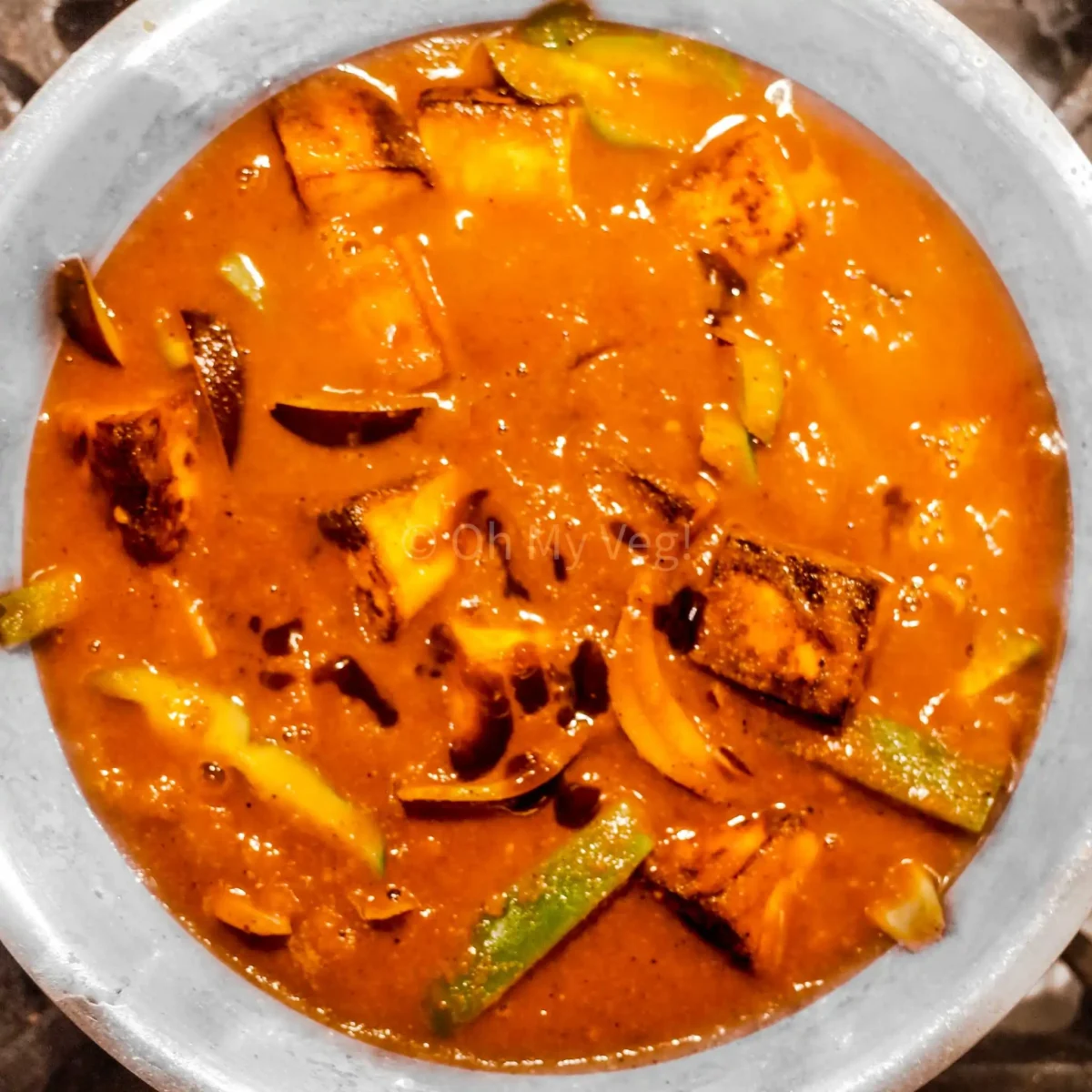
Sixteen: Next, add the tamarind sauce to the balti paneer. Stir it in.
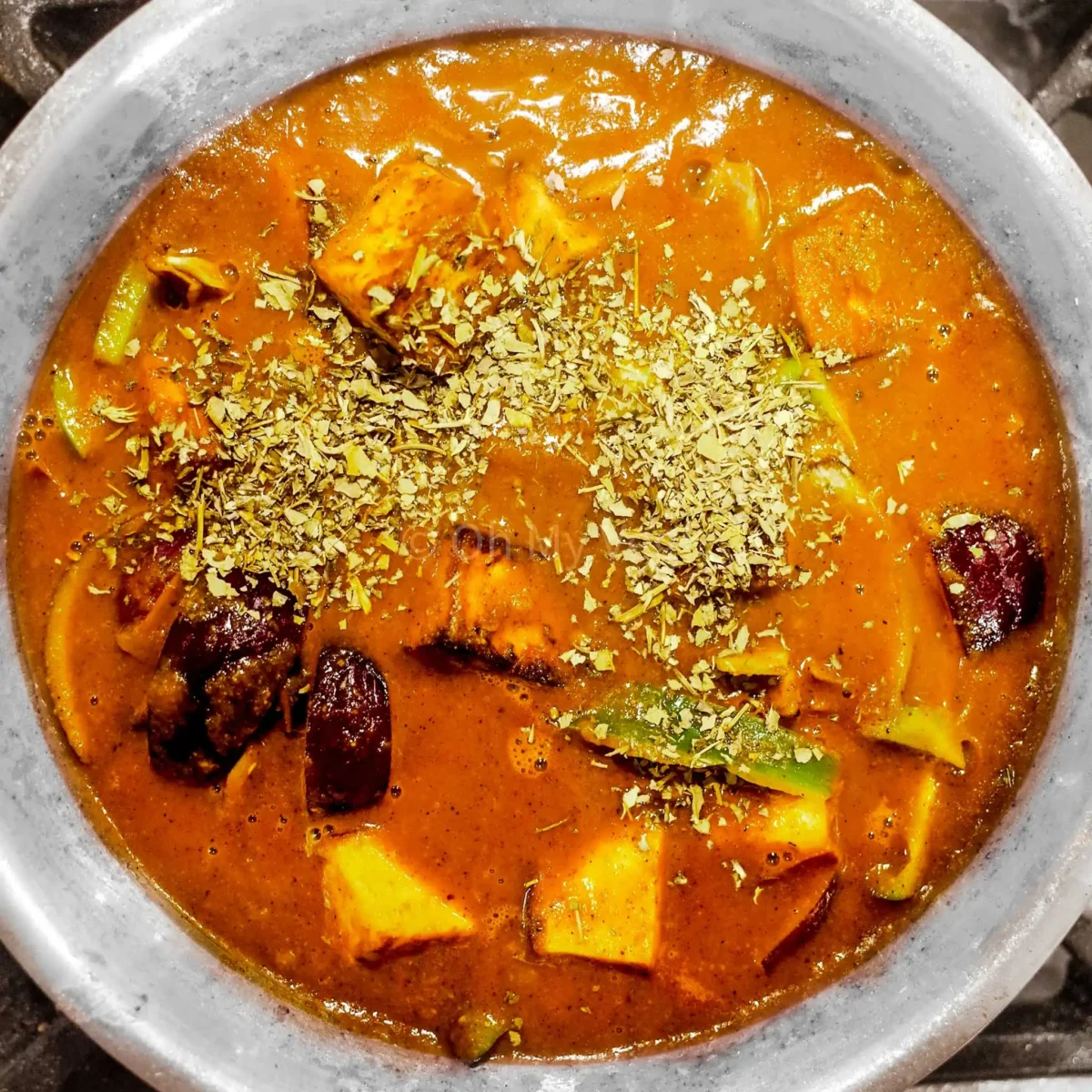
Seventeen: Crush dried fenugreek leaves between your hands (to release the aroma), then sprinkle on top of the curry.
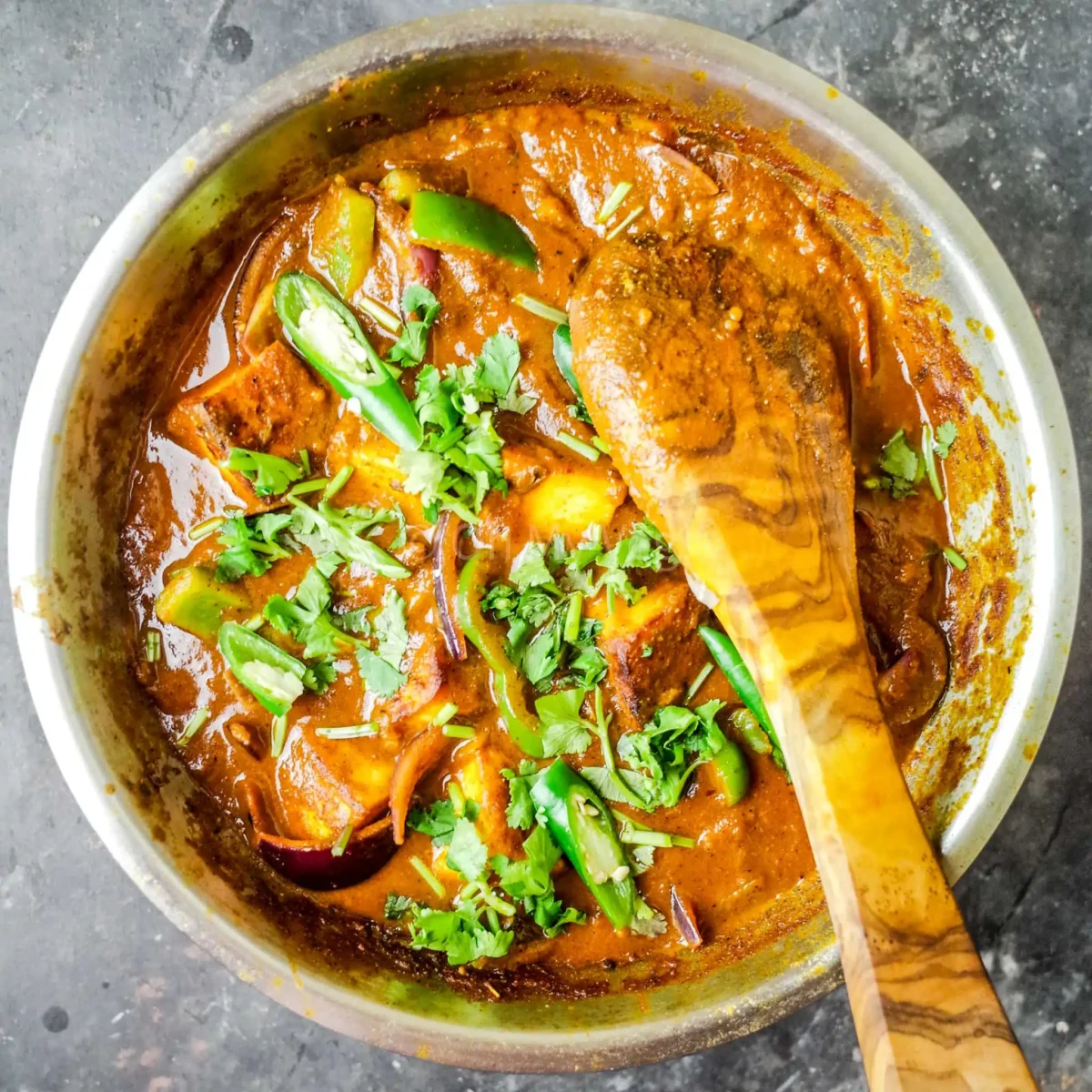
Eighteen: Finish the dish with freshly chopped coriander and sliced green chillies. The dish should be smoky, caramelised, and lusciously thick.
Remember, the complete recipe (with ingredient quantities and instructions) can be found at the bottom of this page. You can also print or save the recipe, adjust the servings, and more from there!
🥡 Storing, Freezing, and Reheating
➡️ Fridge: Cool, then transfer the balti paneer to an airtight container. The curry tastes best if consumed within three days, but can be stored for up to five days.
➡️ Freezer: Paneer balti can be frozen for up to 3 months. Paneer curries freeze really well — just cool first, then transfer to a freezer-safe container or bag. Don’t forget to label with the recipe name and best-before date to avoid confusion later! Thaw before reheating.
➡️ Reheat: Directly on the stovetop for the best results. Heat until piping hot and bubbling (add more water if necessary). You can also reheat balti paneer in the microwave; transfer to a microwave-safe bowl, add a splash of water, cover, and blast for a minute. Stir, then cook for a further minute.
🫓 How to Serve Balti Paneer
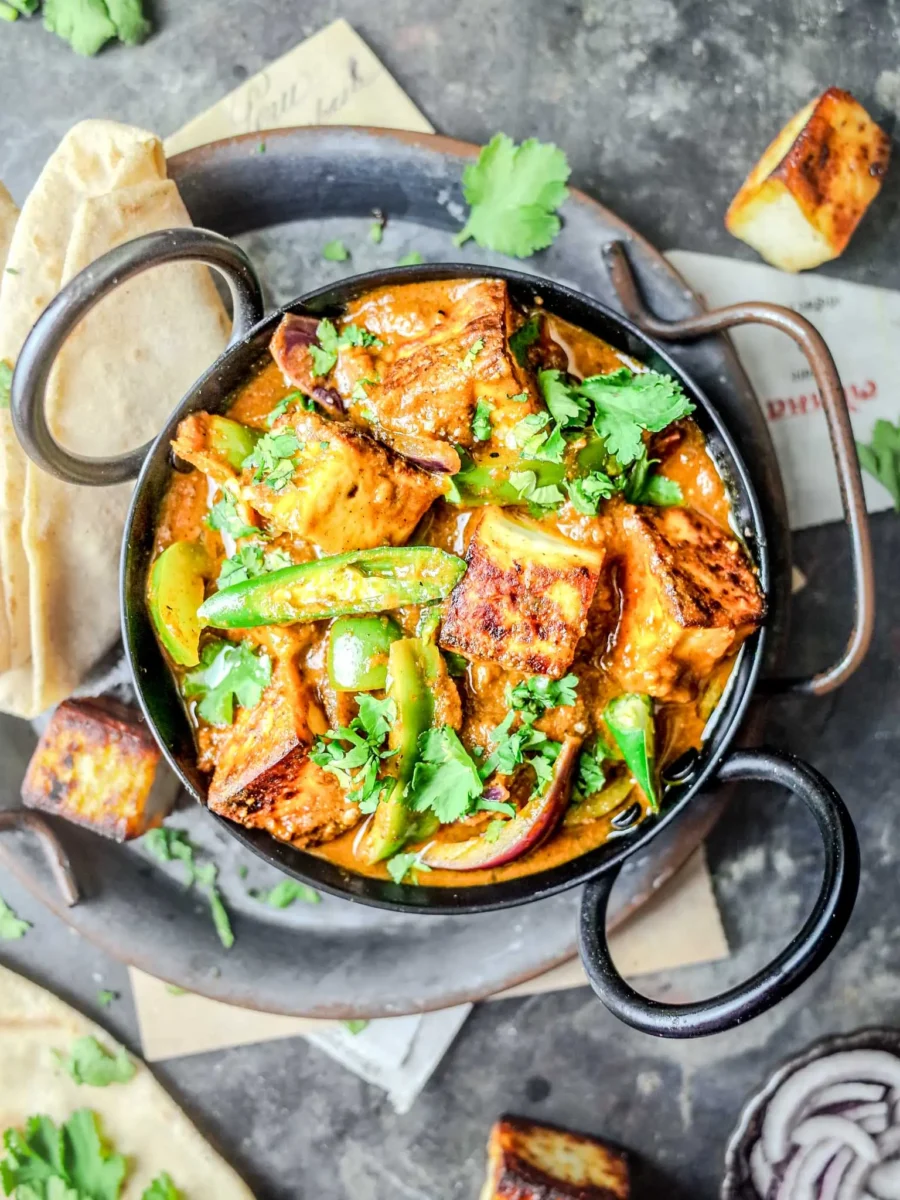
If you want to replicate restaurant-style balti paneer, you should serve the curry in the same dish in which you cooked it. Don’t forget to use a heat-proof mat or pot stand to protect your table from burn marks.
Don’t have a stovetop compatible with a balti bowl? You can cheat — cook the dish in an ordinary pan, then switch to a cast-iron kadai (like this one from Amazon) when serving. No one needs to know!
The thick, rich sauce is perfect for mopping up with bread. And when I say bread, I mean naan —fluffy garlic and coriander naan is my choice! If that’s not your jam, you could try plain naan, Peshwari naan, or even flaky layered paratha. The key is soaking up all those spicy, oily juices with a fabulous flatbread.
Finally, no British Indian restaurant-style meal is complete without … a plate of shatteringly crisp poppadoms, moreish onion bhaji, and a tray of chutneys (spiced onions and green coriander mint chutney are non-negotiables; try tamarind chutney or yogurt mint sauce if you need extras).
If you’ve tried this paneer balti recipe, please drop a comment ✍️ or a star rating 🌟 below to help fellow readers! Additionally, if you have a question, please drop a comment, and I’ll do my best to answer ASAP.
Paneer Balti

Ingredients
For the Balti Spice
- 1 tablespoon cumin seeds
- ½ teaspoon fennel seeds
- ½ teaspoon whole black peppercorns
- 2 teaspoons coriander seeds
- ½ teaspoon kalonji
- 2 dried red chillies
For the Onion-Tomato Base
- 1 teaspoon ghee1
- 1 Indian bay leaf
- 4 medium tomatoes (4 medium tomatoes = ~250 grams)
- 1 medium onion (1 medium onion = ~100 grams)
- 1 inch ginger
- 4 cloves garlic
- 300 millilitres water
For the Paneer
- 1 teaspoon neutral oil
- 400 grams paneer1 cut into large chunks
For the Balti
- 2 tablespoons ghee1
- ½ teaspoon turmeric powder
- 1 teaspoon coriander powder
- 1 teaspoon red chilli powder
- 1 tablespoon tomato puree (double concentrate)2
- fine sea salt to taste
- 50 grams red onion cut into wedges
- 100 g green bell pepper (1 small = 100 grams), cut into wedges
- 2 teaspoons tamarind sauce
- ½ teaspoon dried fenugreek leaves (kasuri methi)
- 1 small handful fresh coriander leaves finely chopped
- 1 green chillies I use jwala, sliced large
Instructions
Make the Balti Spice Mix
- Add 1 tablespoon cumin seeds, ½ teaspoon fennel seeds, ½ teaspoon whole black peppercorns, 2 teaspoons coriander seeds, ½ teaspoon kalonji, and 2 dried red chillies to a small frying-pan over low heat.
- Toast the whole spices (no oil!) until they smell fragrant and aromatic. They will slightly brown. Turn off the heat and allow them to cool.
- Use a small spice grinder to grind the whole spices to a fine powder. Set aside.
Make the Onion-Tomato Base
- Heat 1 teaspoon ghee1 in a large pressure cooker over medium heat. Add 1 Indian bay leaf, 4 medium tomatoes (whole), 1 medium onion (roughly chopped), 1 inch ginger (peeled), 4 cloves garlic, 300 millilitres water, and optionally, the stalks of the fresh coriander you'll use for garnish.
- Cover with a lid. Pressure cook for 2-3 whistles, then let the pressure release.
- Carefully peel off the tomato skins. Be careful — they're still hot.
- Let the mixture cool, then blend to a smooth, silky paste.
Make the Paneer Balti
- In a large, non-stick frying pan (or cast iron) set over medium heat, add 1 teaspoon neutral oil.
- Cut 400 grams paneer1 into large chunks. Carefully place the paneer in the hot oil. Cook until golden on all sides, turning when needed. Remove from the heat and set aside.
- In a large kadai or Balti bowl over medium heat, add 2 tablespoons ghee1.
- Add ½ teaspoon turmeric powder, 1 teaspoon coriander powder, and 1 teaspoon red chilli powder to the ghee. Immediately add the balti spice mix we prepared earlier.
- Let the spices infuse for a few seconds, then add 1 tablespoon tomato puree (double concentrate)2. Stir in.
- Pour the onion-tomato base sauce into the kadai, season with fine sea salt (to taste), and turn the flame to high.
- Let the Balti cook until thick, aromatic, and slightly charred on the edges.
- Add the fried paneer chunks, 50 grams red onion (cut into chunks), and 100 g green bell pepper (cut into chunks) to the kadai. Cook for two minutes.
- Finish the dish with 2 teaspoons tamarind sauce. Stir that in, then crush ½ teaspoon dried fenugreek leaves (kasuri methi) between your palms. Add that too.
- Turn off the heat and garnish with 1 small handful fresh coriander leaves (finely chopped) and 1 green chillies (roughly cut). Serve hot.






Paneer swapped for tofu, delicious and very authentic tasting, loved the tang of the tamarind.
The paneer balti really does taste just as good as an Indian restaurant, doesn’t it! Thank so much for the feedback. Love the idea of swapping paneer with tofu to make it vegan 🙂