
Pumpkin Seed Pesto
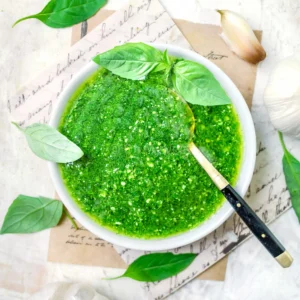
A vibrant green pesto that swaps expensive pine nuts for budget-friendly pumpkin seeds: this pumpkin seed pesto is nutty, creamy, and ridiculously versatile, whether you’re slathering it on pasta, spreading it on sandwiches, or stirring it through risotto.
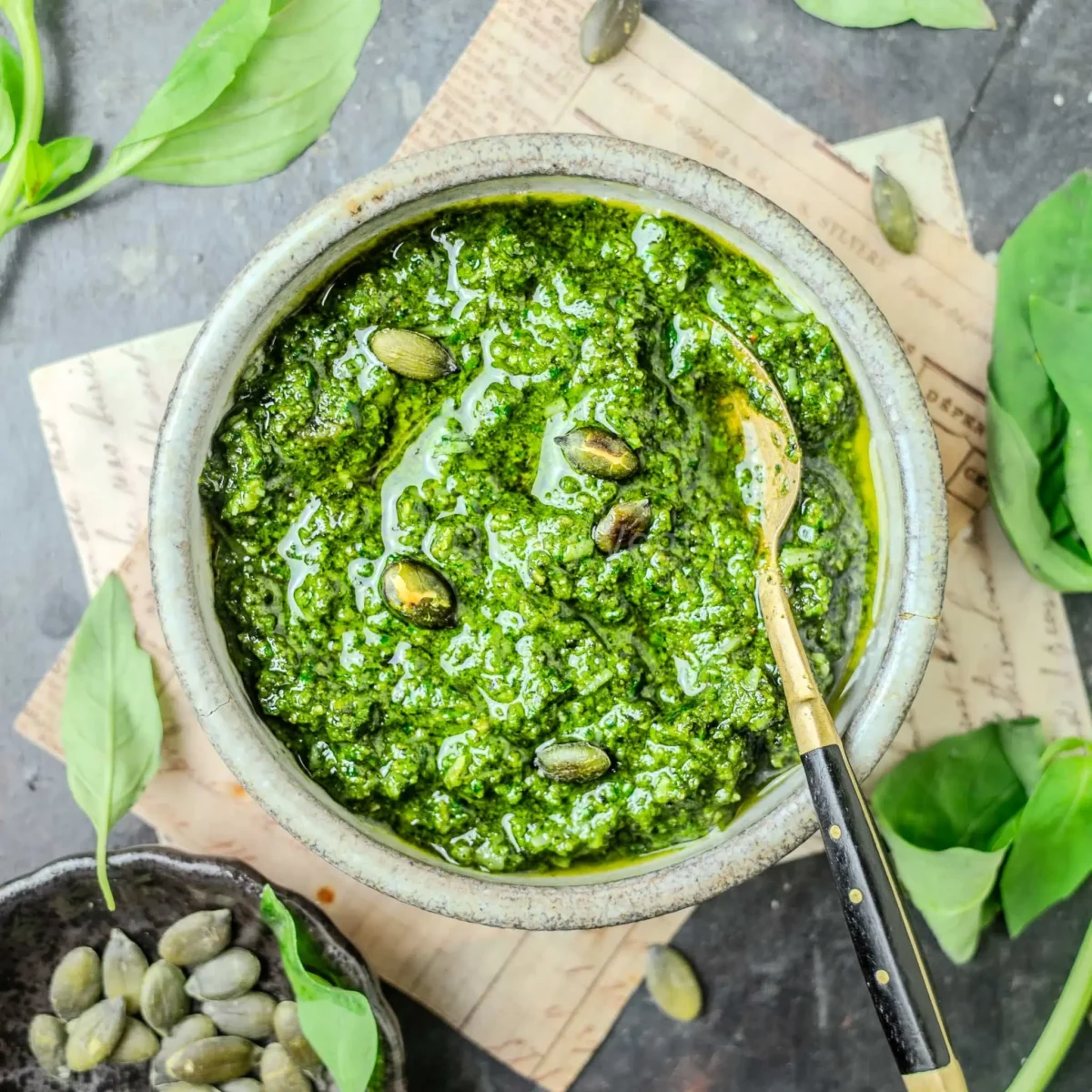
Pumpkin seed pesto is exactly what it sounds like: a gorgeous green sauce made by swapping the ubiquitous pine nuts in pesto al basilico (the Genovese pesto everyone knows and loves) for toasted pumpkin seeds.
The result is a pesto that’s just as luscious and flavourful as the classic version … but without the price tag attached with buying pine nuts.
In fact, there are so many reasons to love pumpkin seeds in pesto. The swap makes pesto a nut-free recipe (brilliant for school lunch boxes; no tellings-off from teachers!). They’re also packed with nutrients like iron, magnesium, and zinc, says Healthline.
You can feel smug about getting your health benefits while eating a plateful of pasta 😉
Plus, did you know that pine nuts aren’t the original nut used in pesto? According to Untold Italy, the original pesto recipe probably used walnuts. So, you shouldn’t feel guilty about ruining a classic recipe … far from it!
But honestly? The best reason (especially in this economy) is how much cheaper they are than pine nuts. You’ll find pumpkin seeds in basically every grocery store, usually for a fraction of the cost.
And if you’re carving pumpkins in October, save those seeds. Just rinse, dry, and toast— waste not, want not.
🤯 Why You Should Make This Pumpkin Seed Pesto
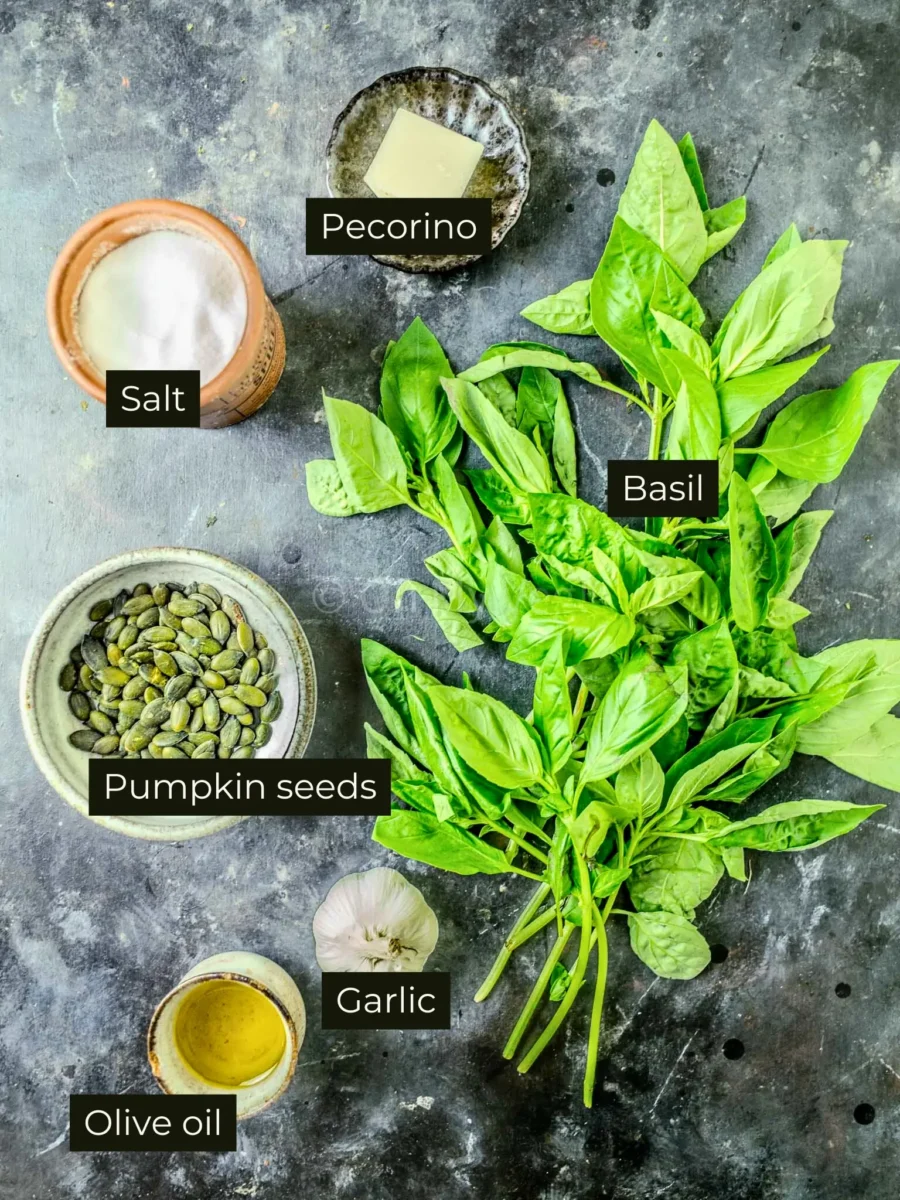
🎃What Ingredients You’ll Need For Pumpkin Seed Pesto
You’ll need very similar ingredients to a classic Genovese pesto, just in slightly different quantities.
Pesto generally keeps things simple with only a handful of ingredients. In this case, five, excluding salt!
Paring things back allows the pumpkin seeds to shine without losing the essence of the classic pesto flavour.
- Pumpkin seeds (pepitas): These bring a rustic, nutty, earthy flavour that’s similar to pine nuts (and only marginally less creamy). Toasting them first deepens the flavour and adds a gorgeous richness. You can use raw seeds straight from a pumpkin (rinse and dry first) or buy pre-shelled from the shop.
- Fresh basil: The star of any pesto. Ideally, you want smaller leaves (less bitter flavour), but a good rule of thumb is that the more aromatic, the better. Avoid brown spots or wilting basil.
- Garlic: Pumpkin seeds don’t mellow garlic quite as much, so I only use one small clove. Raw garlic is a powerful ingredient!
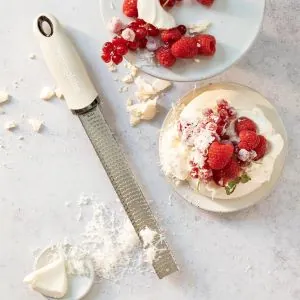
- Vegetarian hard cheese: Pesto typically uses Parmesan, but here’s the thing. Parmesan isn’t vegetarian (it’s made with animal rennet). Instead, I use vegetarian Pecorino (not Pecorino Romano, which also isn’t veggie) or a vegetarian/vegan Parmesan alternative.
Pecorino was the original cheese used for pesto, as per Untold Italy. It’s slightly saltier and more assertive than Parmesan, with a sharper tang, so I use less.
On the other hand, vegetarian Parmesan alternatives tend to be milder and creamier. Both work well; it just depends on whether you want a bolder or gentler cheesy flavour. - Extra virgin olive oil: Use good quality oil here — it’s one of the main flavours you’ll taste. Something fruity and peppery works beautifully. Pumpkin seeds are drier than pine nuts, so I use more.
- Salt: Essential for bringing the flavours together! Taste as you go.
Optionally, you can also add lemon juice. It isn’t traditional, but neither is this recipe! It brightens everything up and prevents the basil from oxidising quite so quickly. If you do use lemon juice, please go for freshly squeezed.
Adapting This Recipe For Allergies and Dietary Requirements
This pumpkin seed pesto is already 100% nut-free, gluten-free, and soy-free, which makes it brilliantly inclusive.
If you’re cooking for someone with allergies (or you’re a sufferer yourself) and you’re using a vegetarian Parmesan alternative or vegan cheese, you’ll want to double-check the ingredients. Sometimes they may contain nut-based ingredients, gluten, or soy.
To make the pumpkin seed pesto vegan, simply swap the cheese for nutritional yeast. I prefer using nutritional yeast to vegan cheese … and it’s such a useful thing to have in the pantry. Use 3-4 tablespoons to get a comparable savoury umami depth.
If you’re dairy-free but want more richness than nutritional yeast alone, add an extra tablespoon of olive oil. It’ll give a wonderful body to the sauce, and no harm ever came from adding more olive oil … right? 🫣
Easy Substitutions
Pumpkin seeds: Sunflower seeds are my number one nut-free alternative. They’re slightly milder and less earthy, but still just as creamy. Really, you can make pesto with any nuts or seeds!
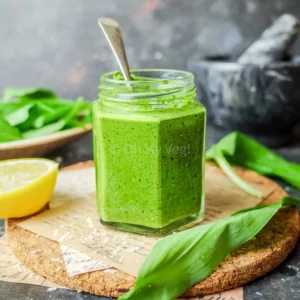
Basil: While we often think of pesto as being a basil sauce, that’s wrong. Ancient Italians used any herbs or greens. My favourite options include rocket (arugula) for a peppery pesto, parsley for a grassier sauce, or wild garlic pesto for a garlic-forward version. I’ve even used spinach when my basil plant died a tragic death on the windowsill (RIP, Basil the Tenth).
Garlic: If raw garlic is too punchy for you, roast a whole bulb until soft and sweet, then squeeze out the cloves. It makes the pesto much gentler and adds a lovely caramelised note. Only add little by little. And if you have leftovers, make my garlic and herb mashed potatoes.
🧑🍳How to Make Pumpkin Seed Pesto
… In less than 10 minutes (or more accurately, less than five)!
Using a food processor makes things easy-peasy (and no less delicious than traditional).
Really, all you need to know is the order in which you blend everything — I promise it makes a huge difference to the final result. Here are some step-by-step photos to cook along with:
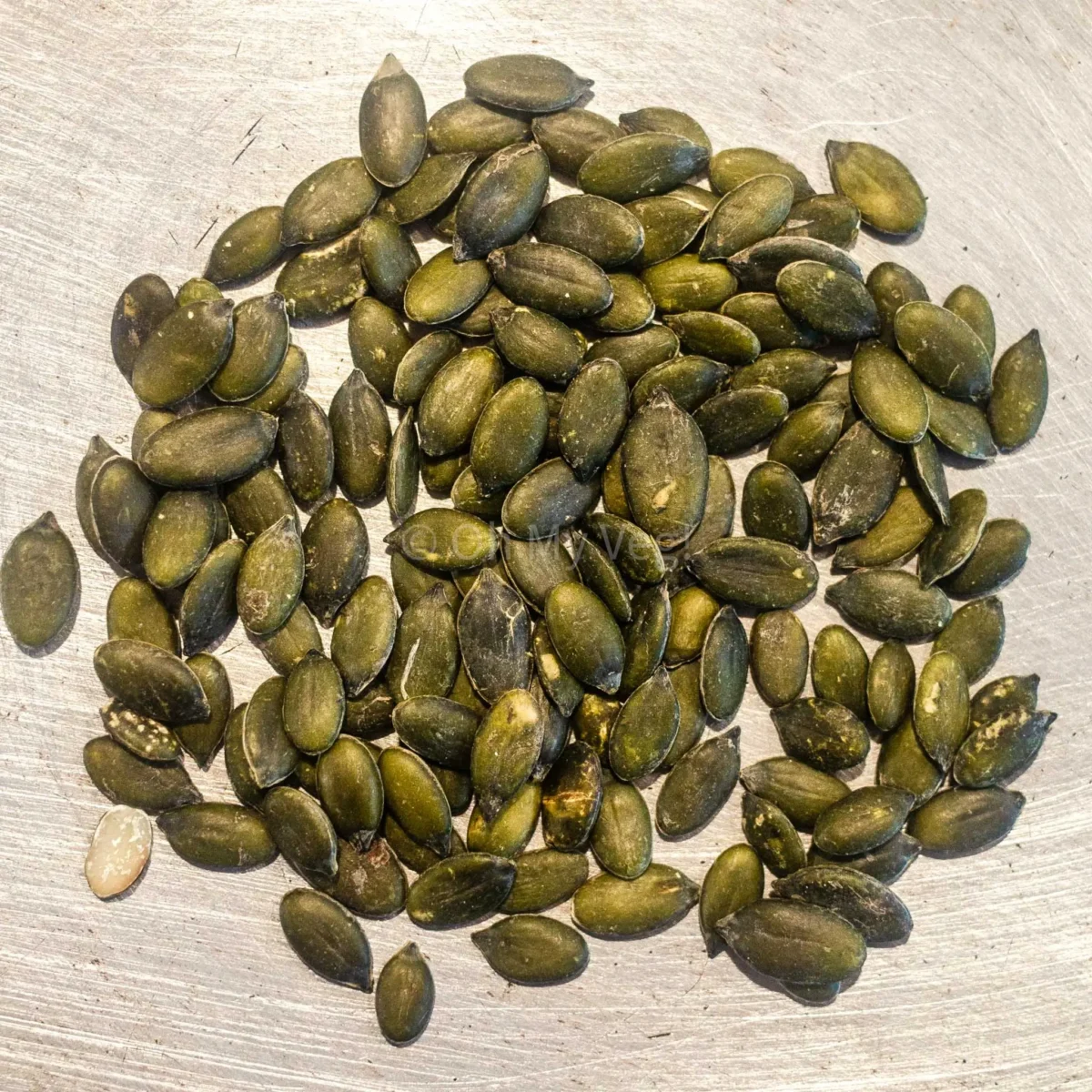
One: Add pumpkin seeds to a pan over low heat.
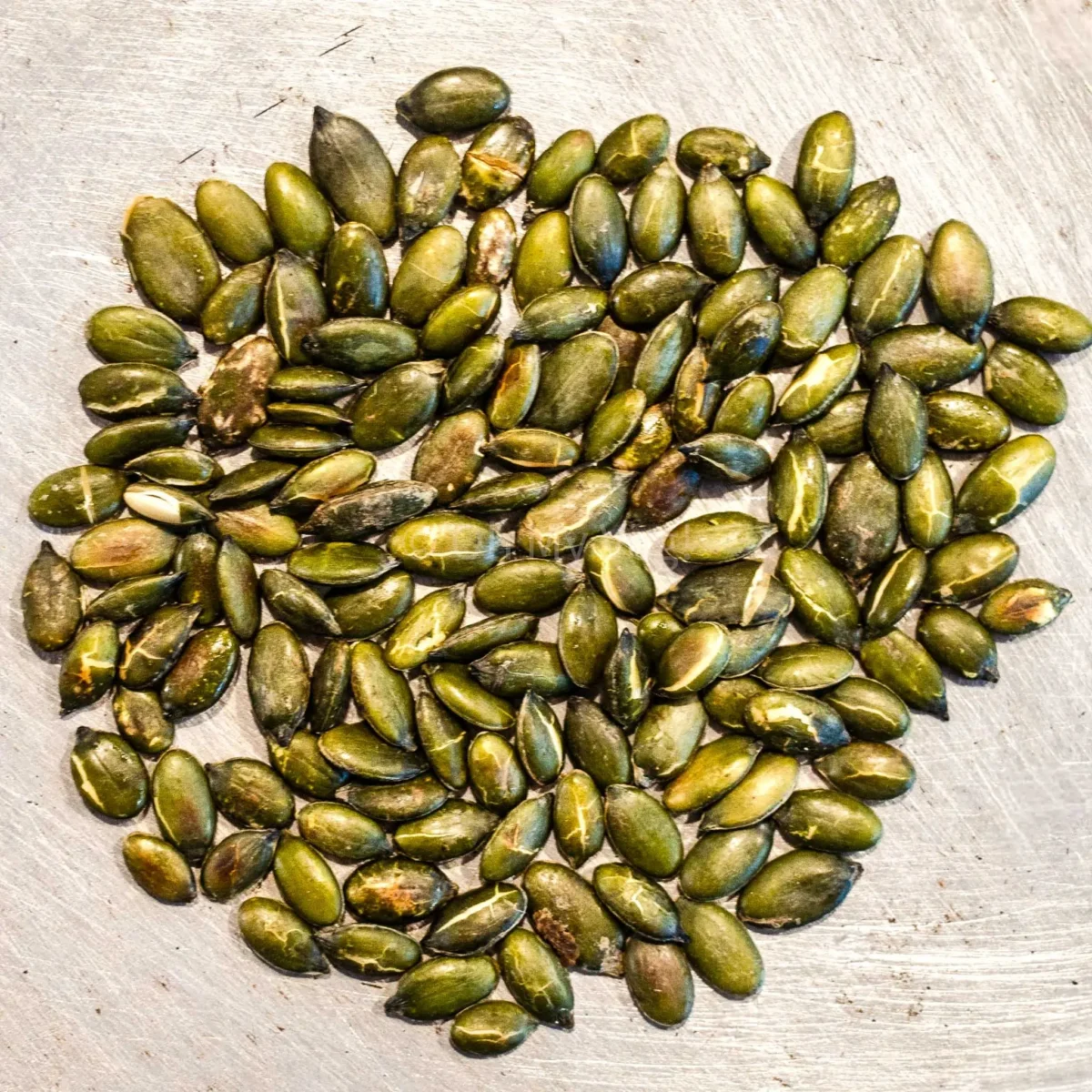
Two: Dry-roast the pumpkin seeds until aromatic and slightly browned. Cool.
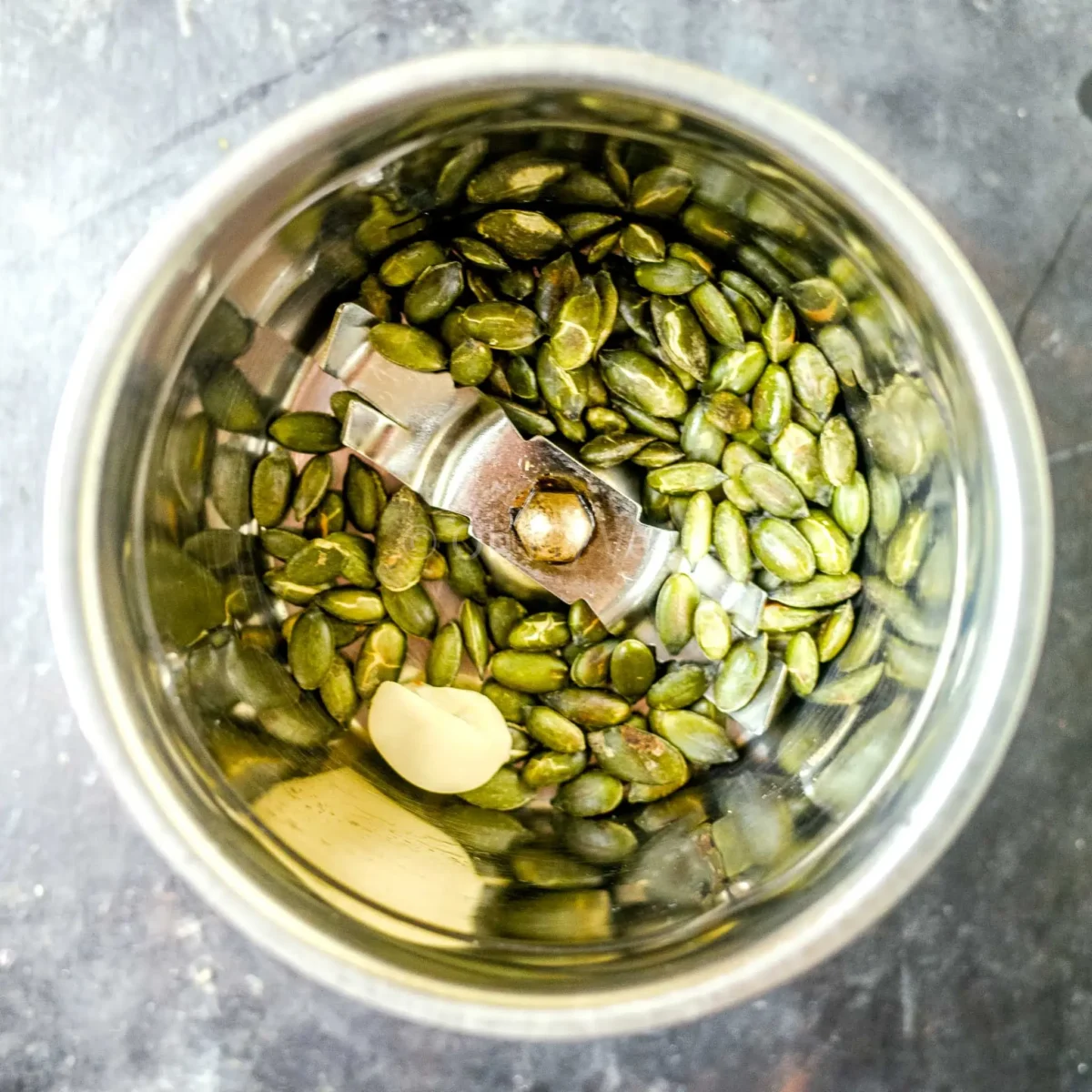
Three: Add pumpkin seeds to a food processor along with garlic.
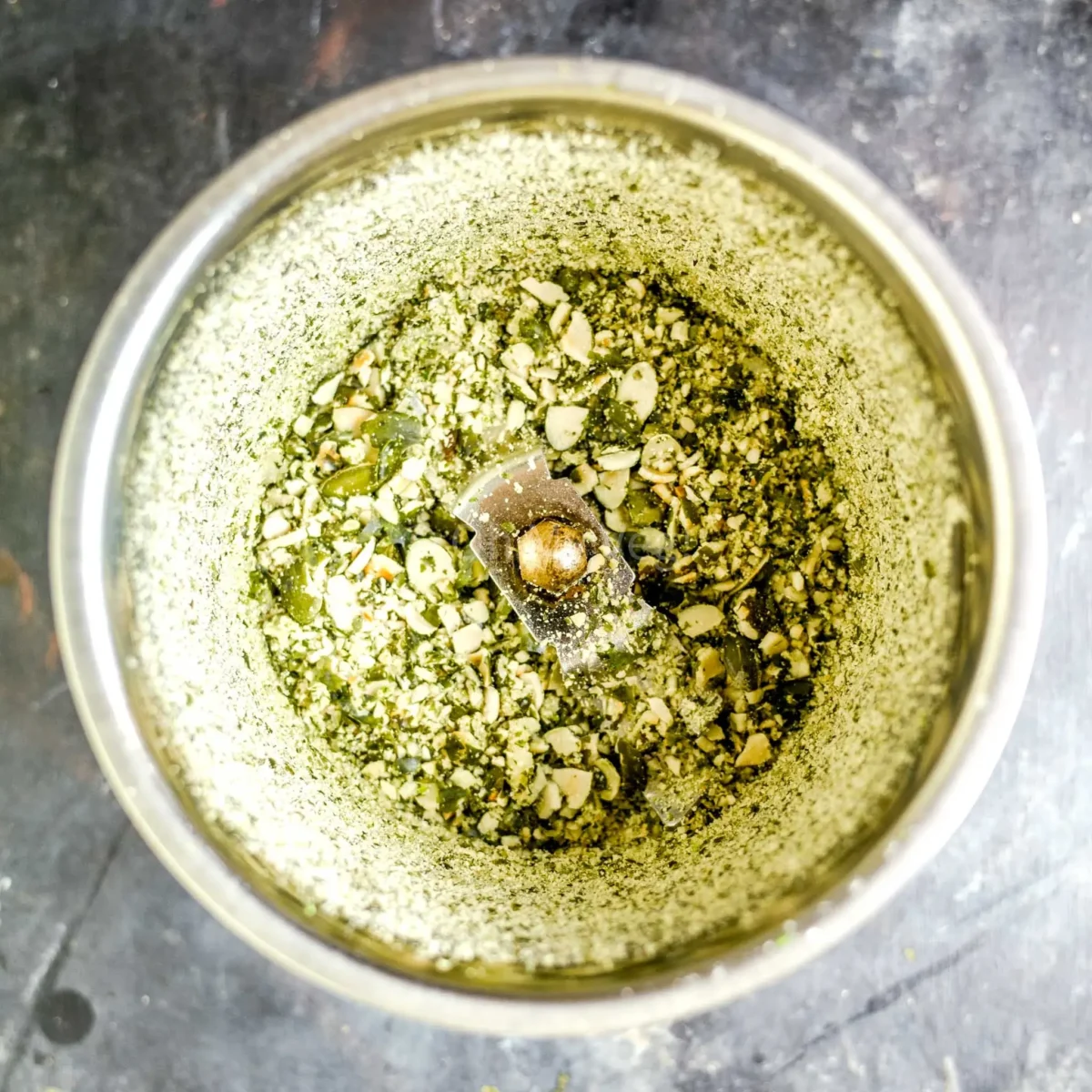
Four: Pulse to a coarse powder.
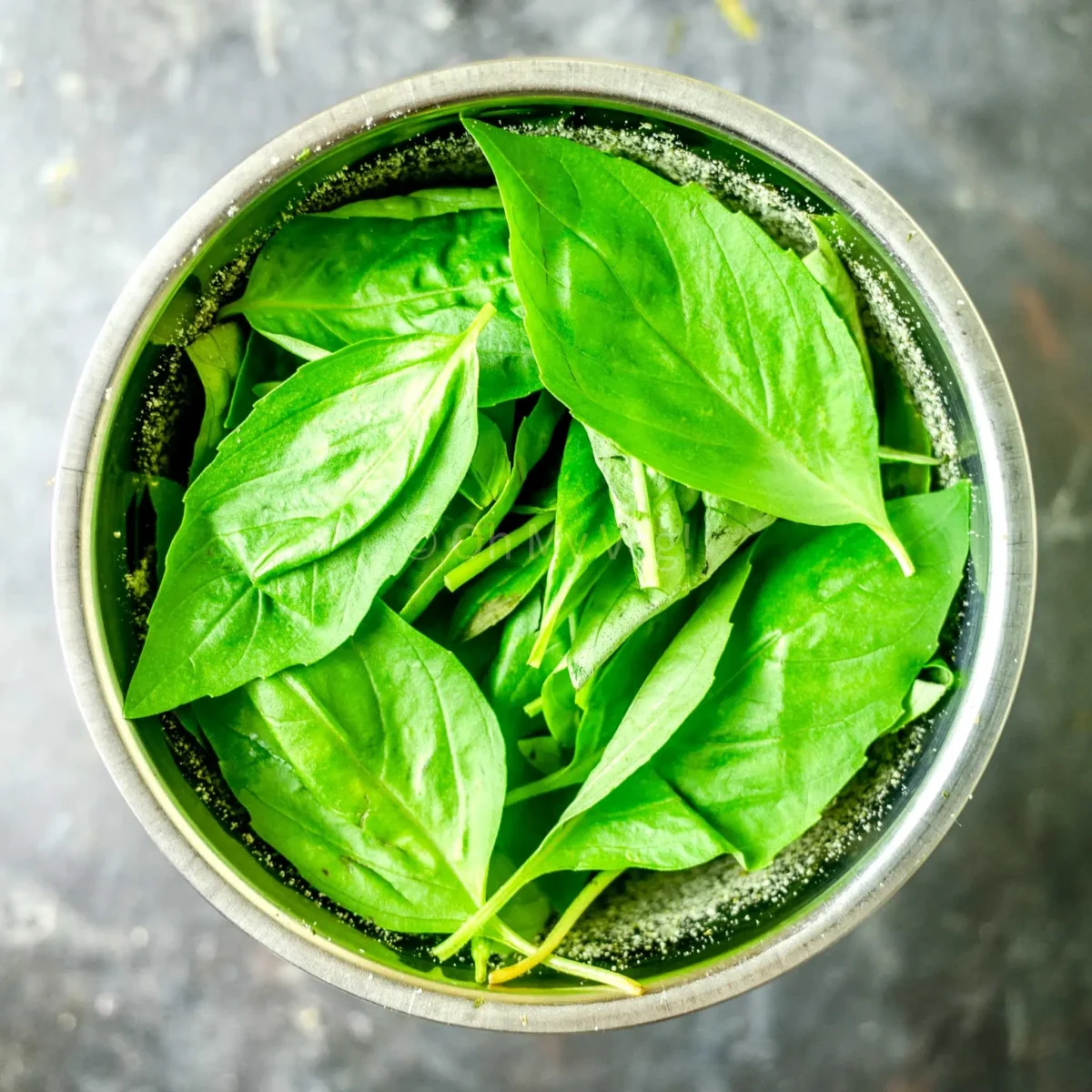
Five: Add fresh basil leaves to the blender.
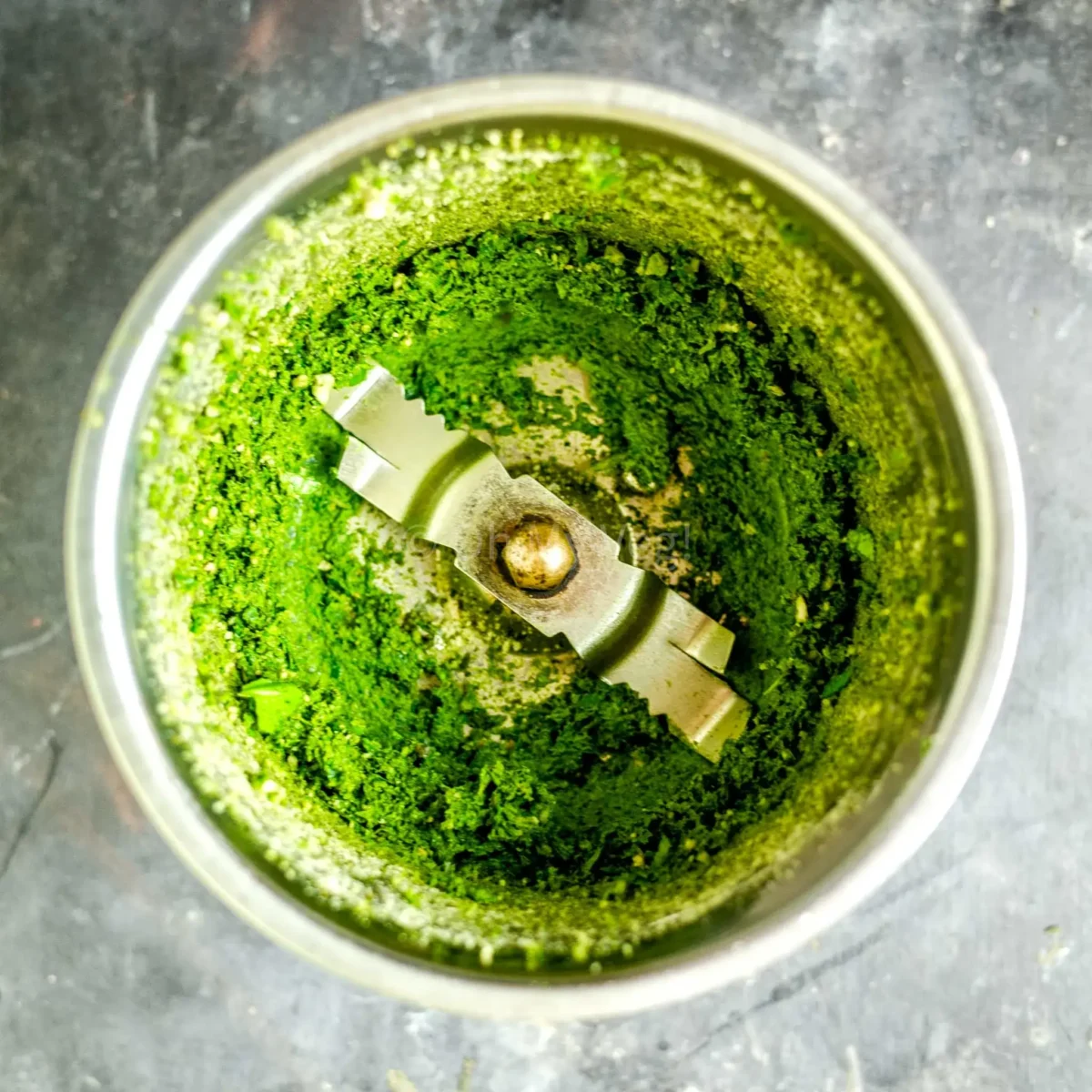
Six: Pulse again, finely chopping the leaves and creating a thick paste.
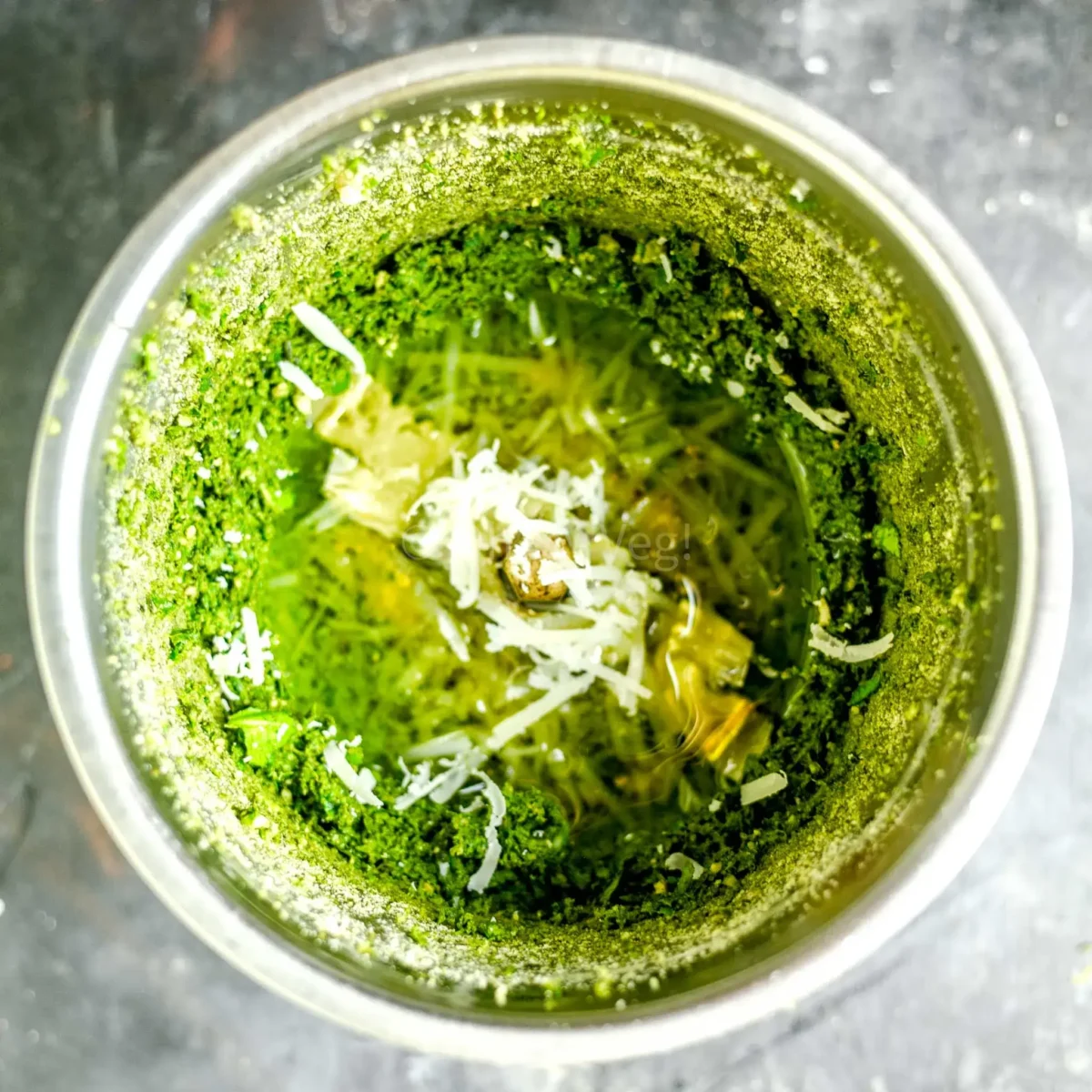
Seven: Add olive oil and grated vegetarian hard cheese.
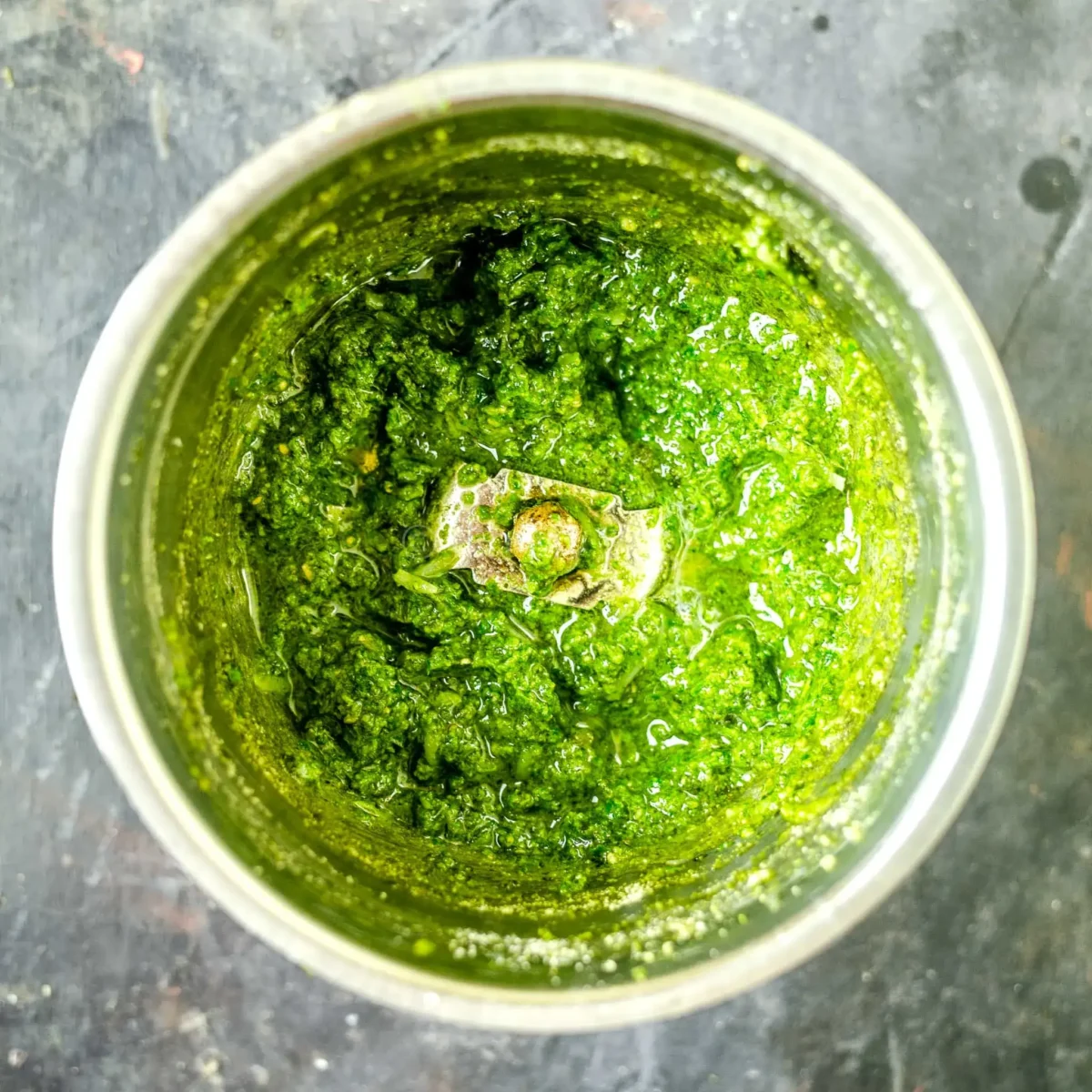
Eight: Stir through the oil and cheese. Season to taste with salt.
Remember, the complete recipe (with ingredient quantities and instructions) can be found at the bottom of this page. You can also print the recipe, save the recipe, adjust the servings, and much more from there!
While I suggest making pumpkin seed pesto with a food processor — it’s quicker, easier, and doesn’t negatively affect the flavour in any way — you can also make this recipe in a mortar and pestle or by chopping the ingredients.
I warn you, though: making pesto in a mortar and pestle takes the best part of 30 minutes. You’ll need a good audiobook or TV show to get you through it!
If you do want to use a mortar and pestle, you need to switch the order in which you incorporate the ingredients.
Start by pounding salt and garlic. Then add basil leaves. Next, add the roasted pumpkin seeds. Finally, add the cheese and olive oil.
🤔Why Do Pumpkin Seeds Work So Well In Pesto?
Pumpkin seeds have a rich, earthy, slightly sweet flavour that works extremely well in pesto.
Actually, it’s closer to the original Ligurian pesto than most people realise! While pine nuts are considered traditional now, they’re also a modern luxury. Traditionally, Genoese cooks would have used whatever nuts or seeds were cheap and available.
As a bonus, of the variations of pesto without pine nuts, this one is perhaps the closest to that flavour.
The texture is spot-on, too. When blended, pumpkin seeds become incredibly creamy and buttery. They echo the silky mouthfeel you get from pine nuts.
However, they’re also less oily. That means the pesto doesn’t separate as easily as pesto di basilico, but I also like to add extra oil to re-create the richness.
Finally, pumpkin seeds are mild enough to allow the basil to shine. Some nuts demand attention at the forefront of the tasting palate, while pumpkin seeds know their place!
⭐Top Tips For Perfect Pumpkin Seed Pesto
- Toast the seeds. If you want a proper nutty depth of flavour, this is non-negotiable. Bear in mind that using pumpkin seeds hot will may make the pesto split, so please cool them before processing.
- Use the freshest basil. Old, sad basil makes for old, sad pesto! Because basil is the main character in pesto, it’s vital that it’s of good quality.
- Don’t overprocess the pesto. You do want some texture. Pulse, rather than blending constantly. It comes together a lot faster than you may realise, too!
- Taste as you go. Pesto should be punchy and well-seasoned, so don’t be shy! However, how much salt you add very much depends on the cheese you use — for example, because pecorino is saltier, you’ll need to add less.
🫙Storing Pumpkin Seed Pesto
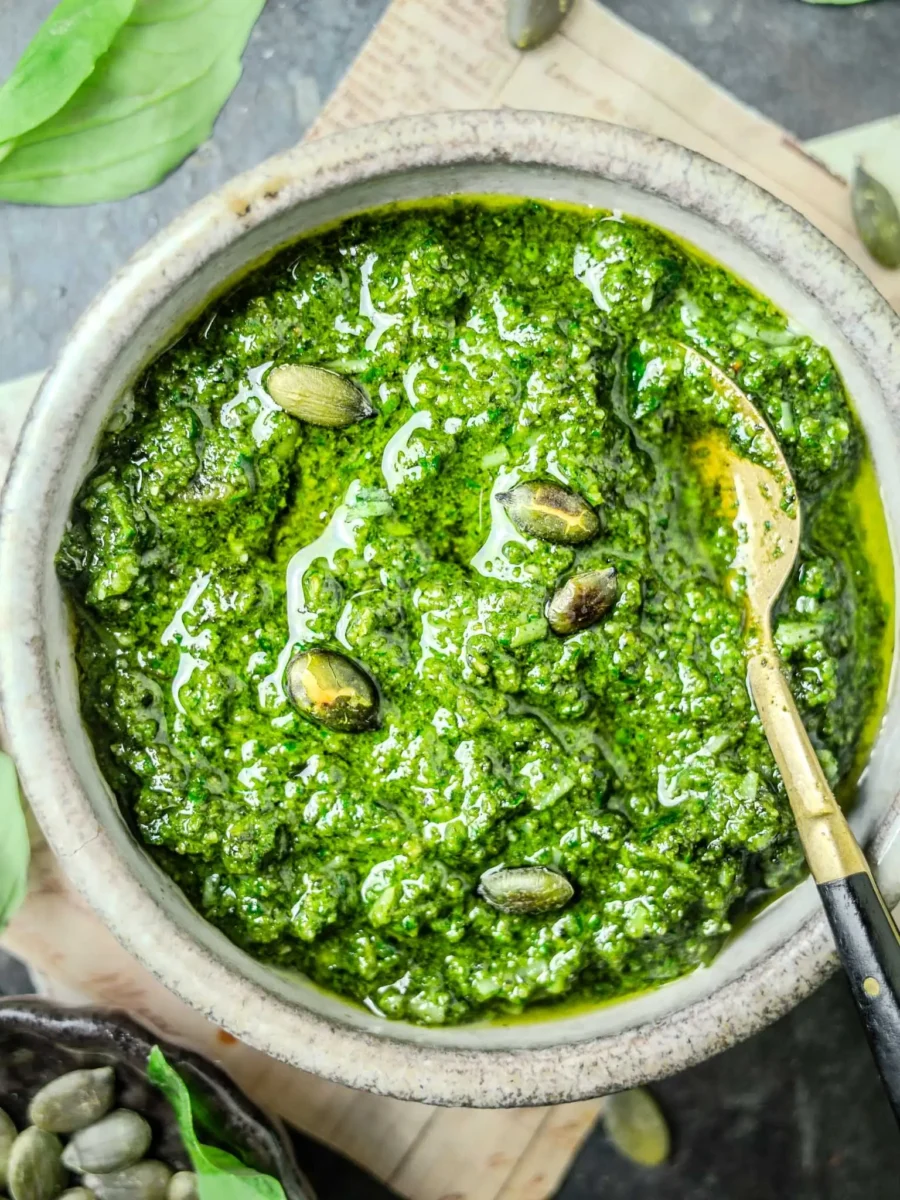
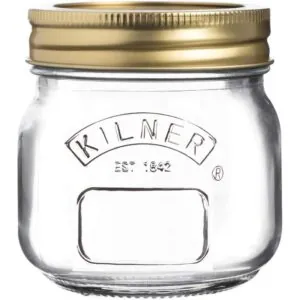
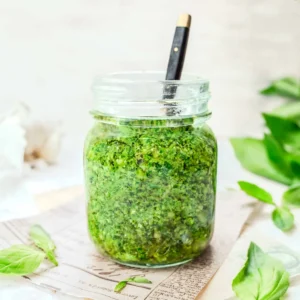
Transfer your pesto to a clean jar and pour a thin layer of olive oil over the top. This creates a seal that prevents oxidation and keeps the basil bright green.
In the fridge, it’ll keep for up to a week. The flavour mellows slightly over time, but it’s still delicious. Stir it before using, in case the oil separates.
For longer storage, freeze the pesto in ice cube trays. Once frozen, pop the cubes into a freezer bag. They’ll keep for up to three months.
This freezing hack is perfect for when you need a quick flavour boost for pasta or soup but can’t be bothered to go to the store for fresh basil. It’s saved my meals countless times!
🍝 Serving Suggestions For Pumpkin Seed Pesto
There are more ways to use this pesto than I can fit on this page!
First, for main dish recipes:
Perhaps the most classic way to use pesto is to toss the sauce through hot pasta. Use a splash of the pasta water to loosen it up, then add extras if you like; halved cherry tomatoes, torn mozzarella, or green vegetables (like peas or broccoli) are a few favourites. This is how I make my super simple 5-minute spaghetti al pesto and pesto rigatoni.
Pasta and pesto are a match made in heaven, so there are countless options!
Recently, I’ve fallen in love with pasta alla Portofino, which combines pesto and tomato sauce together.
Pasta salad is also an excellent use for pesto; orzo pesto pasta salad is a picnic mainstay in my family. Because the dish is served cold, it maintains the beautifully delicate flavours of the pesto perfectly.
You can also use pumpkin seed pesto as a soup topping. I love it in tomato soup!
And next, for snack and side dish uses:
Pumpkin seed pesto excels as a sandwich spread. Try it on my pesto caprese sandwich or make a heartier affair by lathering it on sourdough toast or focaccia, then piling the bread high with grilled vegetables, cheese, sliced avocados, or egg (speaking of, pesto fried eggs are the REAL DEAL).
Or, use pesto as a marinade for bocconcini (mini mozzarella pearls, halloumi, tofu, or paneer, then hit it with heat from the grill.
It’s also brilliant as a dip for crunchy vegetables or breadsticks. Spread it on pizza bases. Or, for a lighter option, on flatbreads, à la caprese flatbread.
And don’t sleep on pesto arancini, either. Here, you’ll bite through the crispy coating to a savoury rice layer, then finally, a pesto and mozzarella surprise in the middle. Yum.
Basically, if it’s food, you can probably put pesto on it … if you hadn’t guessed, I really love pesto.
If you’ve tried this pumpkin seed pesto recipe, please drop a comment ✍️ or a star rating 🌟 below to help fellow readers! Additionally, if you have a question, please drop a comment, and I’ll do my best to answer ASAP.
Pumpkin Seed Pesto

Ingredients
- 20 g pumpkin seeds
- ½ clove garlic or 1 small clove
- 30 g basil
- 50 g extra virgin olive oil
- 12 g vegetarian Italian hard cheese I used pecorino
- salt to taste
Instructions
- Gently roast 20 g pumpkin seeds in a pan over low heat. Once they smell nutty and the skins slightly blister, remove from the heat and cool.
- In a small food processor, add the cooled pumpkin seeds and ½ clove garlic. Pulse to a coarse powder. Some texture from the nuts is great.
- Add 30 g basil to the food processor and pulse again.
- Now, slowly drizzle in 50 g extra virgin olive oil while pulsing. Alternatively, you can stir the oil in.
- Finish the pesto by grating in 12 g vegetarian Italian hard cheese and stirring it through. Season with salt to taste.


This works so well! Great recipe and versatile, planning on making double the quantity next time so I can keep some in the fridge.
Love that idea, Ash!