This post contains links to affiliate websites, such as Amazon, and we receive an affiliate commission for any purchases made by you using these links. We appreciate your support!
From smoky fenugreek curries to buttery parathas stuffed with winter greens, this selection of Indian winter food recipes will have you craving cosy nights tucking into a comforting meal.
Winter in India means street markets overflowing with bunches of fresh green fenugreek, tender spinach leaves, and earthy root vegetables.
Eating seasonally is second nature — unlike the grocery-store-dominated food culture of many other countries, India’s population relies largely on locally stored food from small sellers.
In the kitchen, that translates to an abundance of glorious dishes. Dal simmering on the stove, filling the whole house with the irresistible aroma of garlic and ghee. Richer, creamier curries replace lighter summer dishes, and parathas are stuffed with hearty potatoes, paneer cheese, and leafy winter greens.
These are the kind of recipes that will chase away the cold and keep you satisfied for hours!
What Makes These Recipes Perfect for Winter
There are two things winter recipes have to fulfil: fuel for the body, and fuel for the soul.
Winter is a cold, unforgiving season (even in India — and especially in the mountainous Himalayan regions!). You need food that warms you from the inside out.
Ayurveda has long claimed that spices have anti-inflammatory and immunity-boosting properties (“golden milk,” or haldi doodh, is a fabulous example of this!), making them great ingredients for winter, when illnesses are at an all-time high.
Then, there’s the cooking methods. Slowly simmered dals, one-pot curries, and butter-laden flatbreads. Doesn’t that just sound like a warm hug?
You want your winter foods to be rich, fatty, hearty, and comforting. No salads, please. However, these are the kind of recipes you can’t wait to dig into.
What Ingredients Are in Season for Indian Winter Food
Leafy greens including:
Fenugreek leaves (methi). Used either fresh or dried (kasuri methi), the slightly bitter leaves show up in everything from parathas and pakoras to curries and dals.
Spinach (palak) is a winter crop in India. In India, mature spinach leaves are more popular. Rich in iron and with a beautiful flavour that pairs so well with many Indian foods, spinach is a must for Indian cooking.
Chenopodium or goosefoot (bathua) is a mineral-rich green with a flavour between spinach and chard. Its earthy taste makes it a delicious addition to raita, saag, parathas, and curries. In most of the world, it’s considered a weed. In India, it’s a sought-after winter green.
Mustard greens (sarson) are widely grown in North India, where they’re primarily used in dishes like sarson ka saag, saag paneer, chana saag, and saag aloo.
Root vegetables and brassicas come into their own. Cauliflower, potatoes, cabbage, turnip, and carrots are the backbone of countless winter curries, dry sabzis, and even desserts (gajar halwa, anyone?).
Fruits like apples, oranges, guavas, pomegranate, Indian gooseberry (amla), and custard apples (chikoo) are just a few options for seasonal winter snacking.
And not to forget fresh peas, which are genuinely seasonal in India (unlike year-round frozen ones). The fresh sweetness is a boon for paneer dishes, fried snacks like samosa and kachori, and sabji.
Indian Winter Food Recipes
1
Palak Paneer Paratha
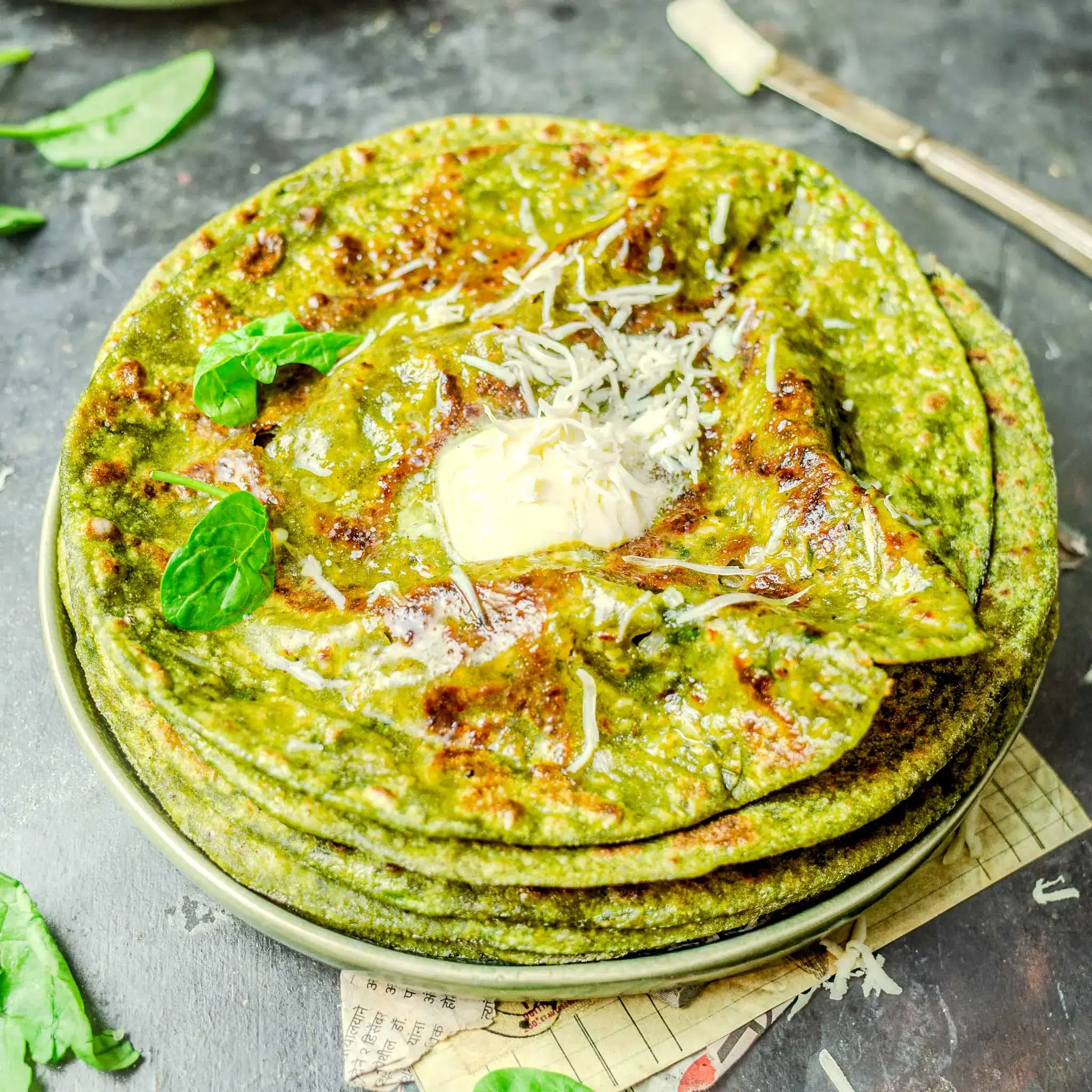
Palak paneer in a paratha? Yes please! These buttery flatbreads are made with a garlicky spinach-infused dough, then stuffed with a spiced paneer and herb filling. It's basically a complete meal wrapped in dough: Protein from the paneer, iron from the spinach, and enough butter on top to make them completely irresistible.
This Maharashtrian cauliflower and potato curry is layered with spices and flavour.Unlike aloo gobi (the more well-known North Indian dish), this sauce is thin and intensely flavoured. It's finished with a dash of goda masala (a cornerstone Maharashtrian spice blend), giving the dish a characteristic smoky depth and sweet aroma you won't find in other curries. It's an authentic regional gem that's absolutely worth trying, especially if you want to expand beyond the usual repertoire.
Vibrant green, garlicky, spinach-packed sauce so creamy it coats the back of your spoon. There's nothing understated here — dhaba-style always means unapologetically bold flavours, and this is no exception. While most of the flavour is in the sauce, paneer is the centre of the dish: fried until golden, it's milky, rich, and mild … the perfect pairing to all those earthy, aromatic flavours. Serve it with coriander garlic naan, jeera rice, or lachha paratha (and prepare for second helpings!).
This isn't a stuffed paratha — fresh fenugreek leaves are kneaded right into the dough along with minced garlic and spices. Once they hit the hot tawa, they already smell incredible. The methi flavour mellows as it cooks, transforming from bitter to complex, warm, and nutty. I love methi paratha with crisp edges … especially with a stick of butter melting on top while they're still hot. Bonus? Methi parathas freeze well, so you can batch-cook the flatbreads and enjoy them months later.
Traditionally made for the mid-winter harvest festival Makar Sankranti, bhogichi bhaji is a mixed vegetable curry that's packed with robust flavour. It's cooked with an eclectic mixture of winter vegetables, including vaal (beans), drumsticks, and potatoes (to name just a few!). The gravy is thickened with roasted nuts and seeds, lending a hearty, satisfying finish to the Maharashtrian curry that will keep you full for hours.
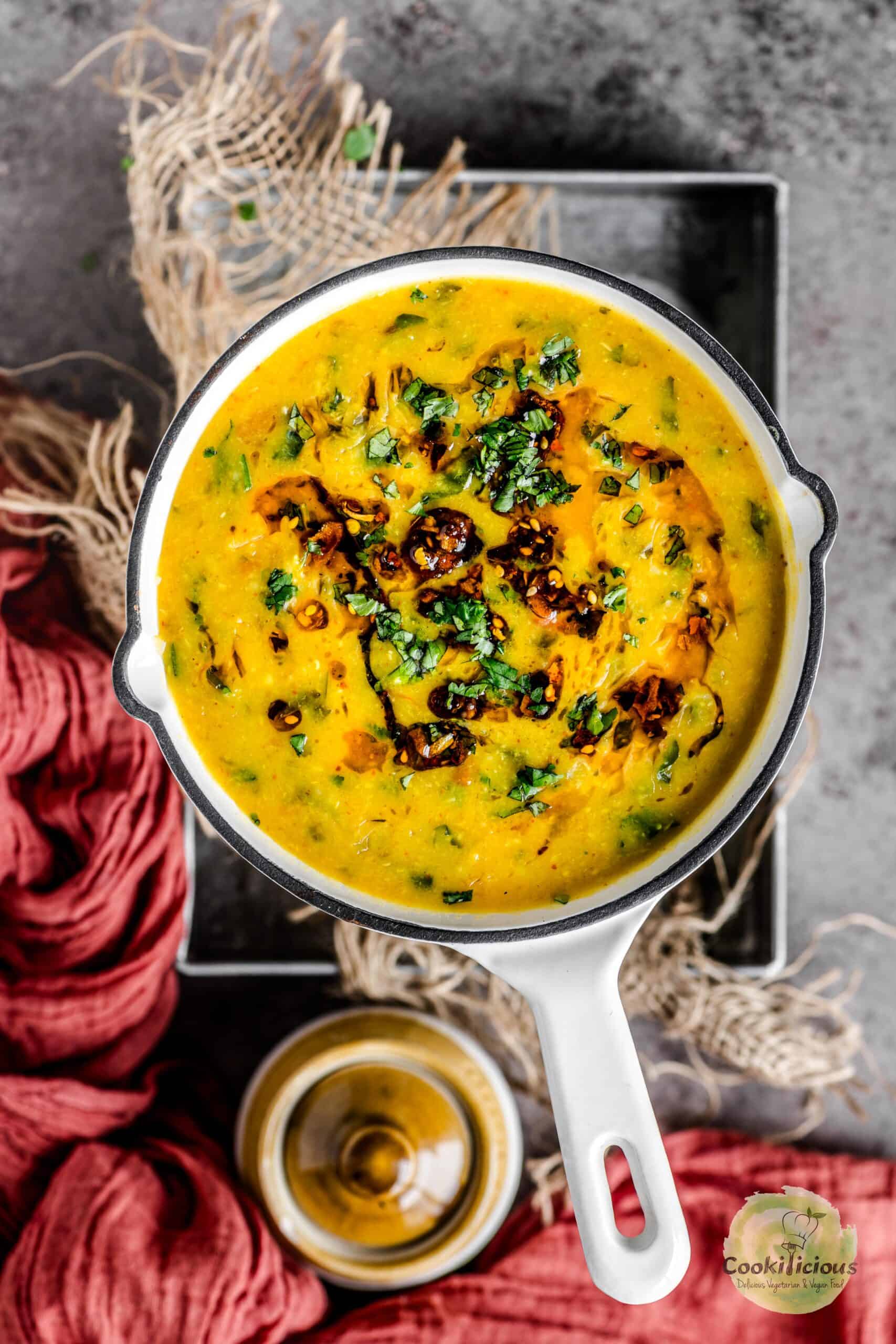
Dal — but make it even tastier. These Vidarbha-style lentils are cooked with fresh spinach, fried peanuts, and loads of garlic. The result is a wholesome, spicy, and flavour-packed bowl. Peanuts add unexpected richness and a gorgeous crunch, while the spinach wilts into the creamy dal. It's vegan, gluten-free, and a weekly staple in my house. Serve dal bhaji with plain rice, pickle, and maybe a fire-roasted papad … that's all you need for ultimate satisfaction.
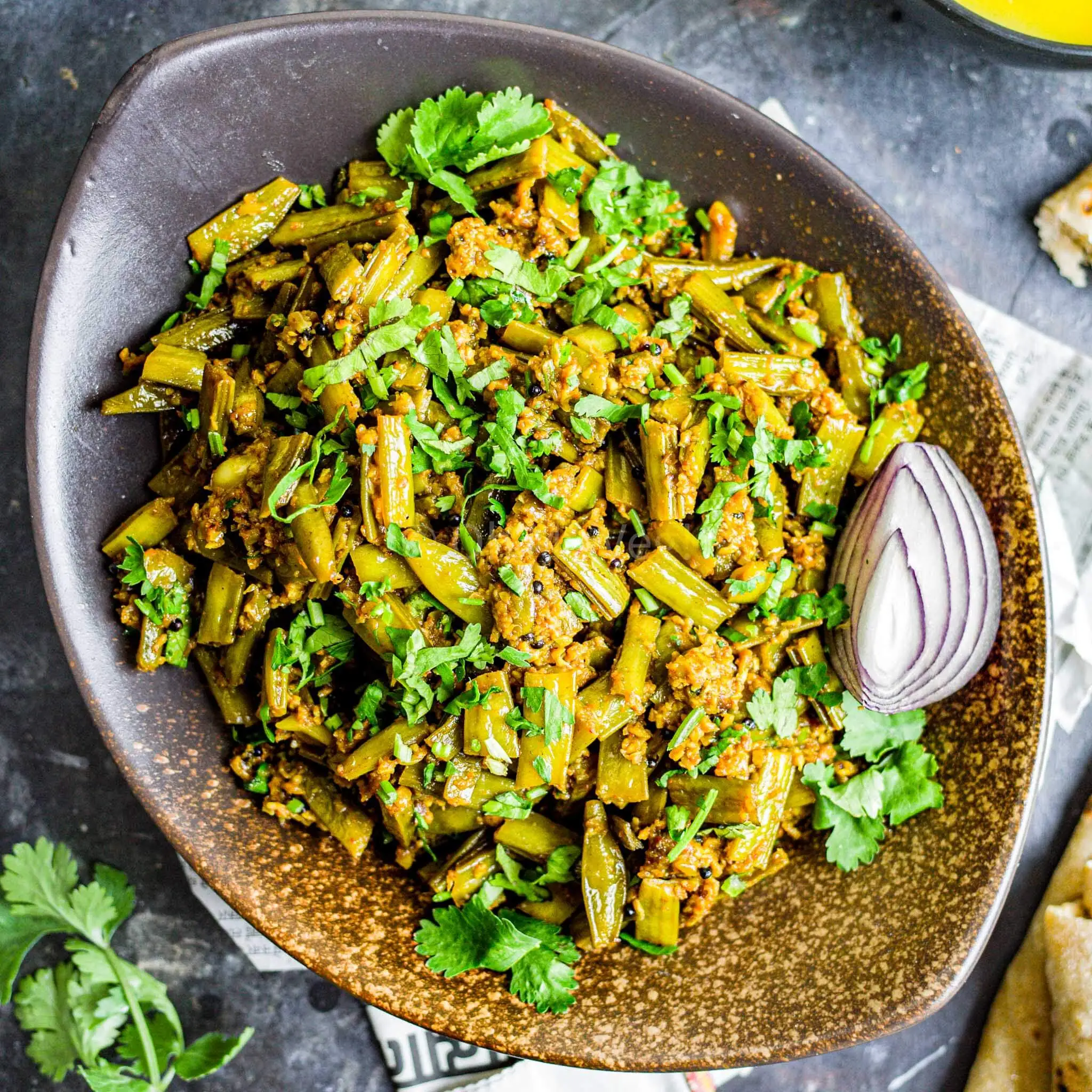
Cluster beans (gavar) have a unique taste best compared to the freshness of broad beans, with a slight beans of bitterness.This Maharashtrian preparation cooks the beans in a delicious spicy seasoning mixture. Combined with jaggery for sweetness, a touch of tamarind for tangy sourness, and a delicious trio of peanuts, coconut, and chickpea flour for nutty elements, the result is a perfectly balanced dish It's a healthy side that's complex for the palate, but comfortingly homely. You won't find this dish in restaurants!
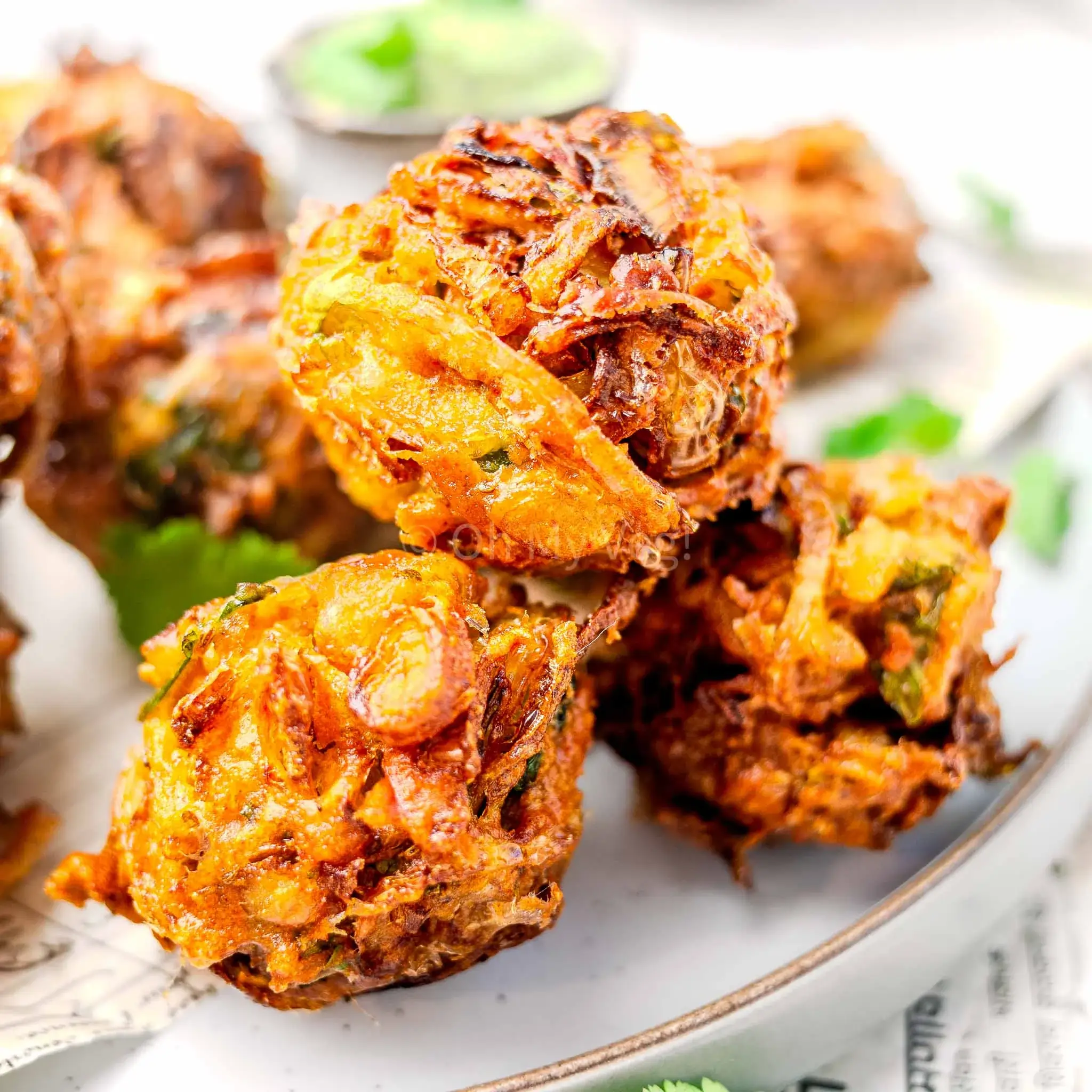
Nothing compares to this recipe for gluten-free onion bhaji — not even restaurants. This is the real deal. Crispy, golden, and perfectly spiced onion fritters are a pillar of Indian monsoon cooking, but they're worth making in the winter months, too. The batter is unbelievably crispy while staying light, and they're not even a touch oily. They're the kind of snack you just can't stop eating. One turns into three, which turns into half the batch!Serve them with mint chutney, cool raita, or a steaming hot cup of masala chai.
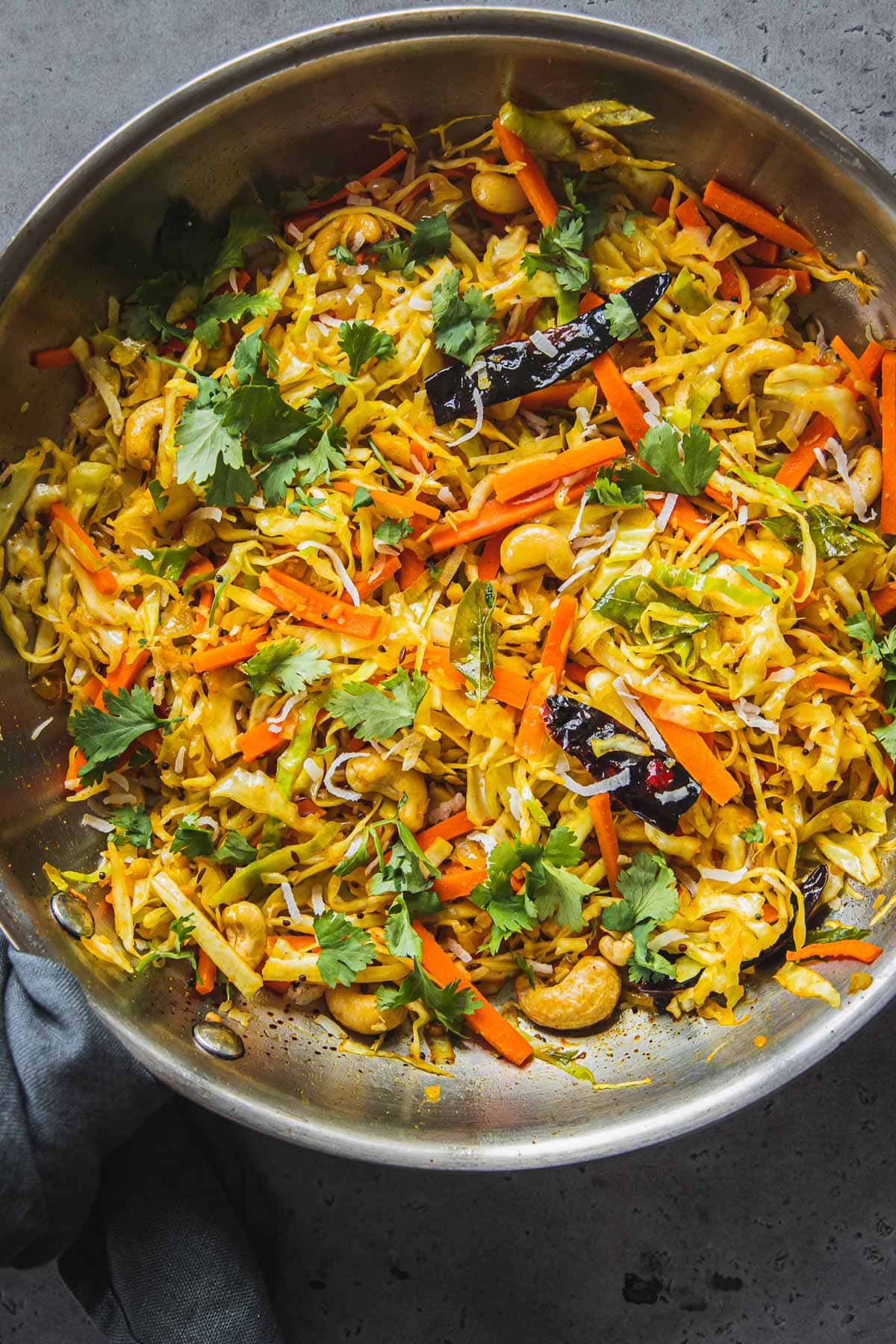
South Indian cabbage stir-fried with coconut, mustard seeds, and curry leaves.Cabbage may be the main ingredient here, but the coastal tempering is the star. Mustard seeds and curry leaves sizzling in oil, urad dal crisping up into little balls of crunchiness, dried chillies bringing the heat, and golden-fried cashews … it's aromatic, it's zesty, and it's full of tropical vibes. Quick, healthy, and utterly moreish, this is a surprisingly light dish for the winter season, but it works well with more robust lentil-based sides.
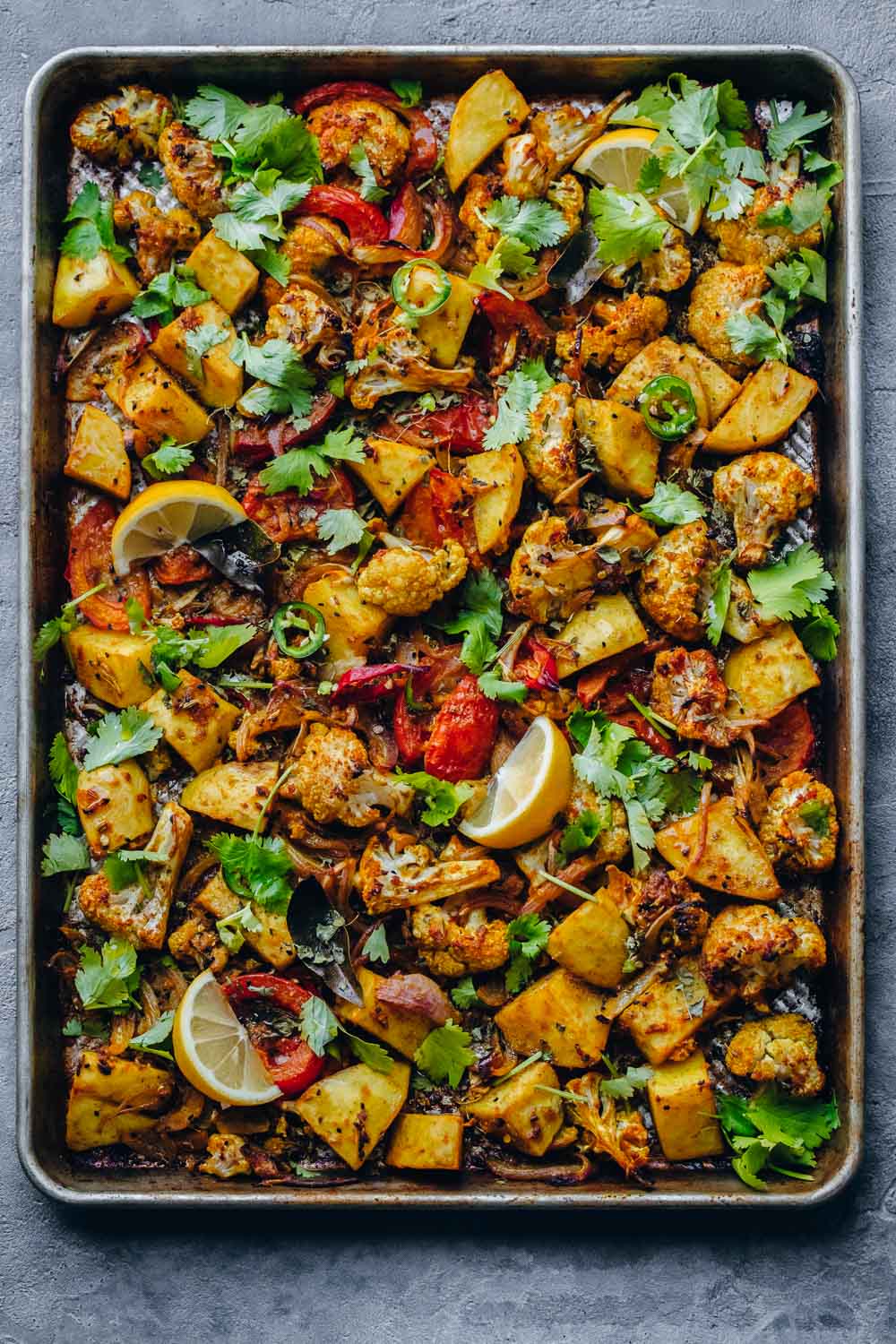
Roasted cauliflower and potatoes with Indian spices … it's a classic that delivers maximum flavour with minimal effort. While typical aloo gobi is made on the stovetop, this oven traybake is a modern adaptation that really enhances the beautifully caramelised flavour. As a bonus, there's no stirring and no watching the stove. Just enjoy the delicious aromas wafting from the oven! It's ideal when you want traditional Indian flavours, but can't be bothered with the traditional cooking methods.
It's not technically a recipe for eating, but golden milk (aka haldi doodh) deserves a spot in any winter roundup. Turmeric, warming ginger, kick of black pepper, sweetness of cinnamon and creamy fresh milk … it's the ultimate drink for curling up by the fire and warming your hands on the mug while sipping. Indian wisdom suggests the drink is healing too, with many suggesting you should drink haldi doodh before bed if you feel a cold coming.
Traditionally, saag paneer is made with a mix of greens — mustard leaves, spinach, fenugreek — which gives it more depth and complexity. This recipe gives you the option to go the authentic route or just use spinach for convenience. Even with the latter option, it's quite different to palak paneer: thick, more rustic, and less creamy (although a squirt of cream or yoghurt is a must). The soft paneer chunks soak up the flavours wonderfully, with each piece coated in the scrumptious sauce.
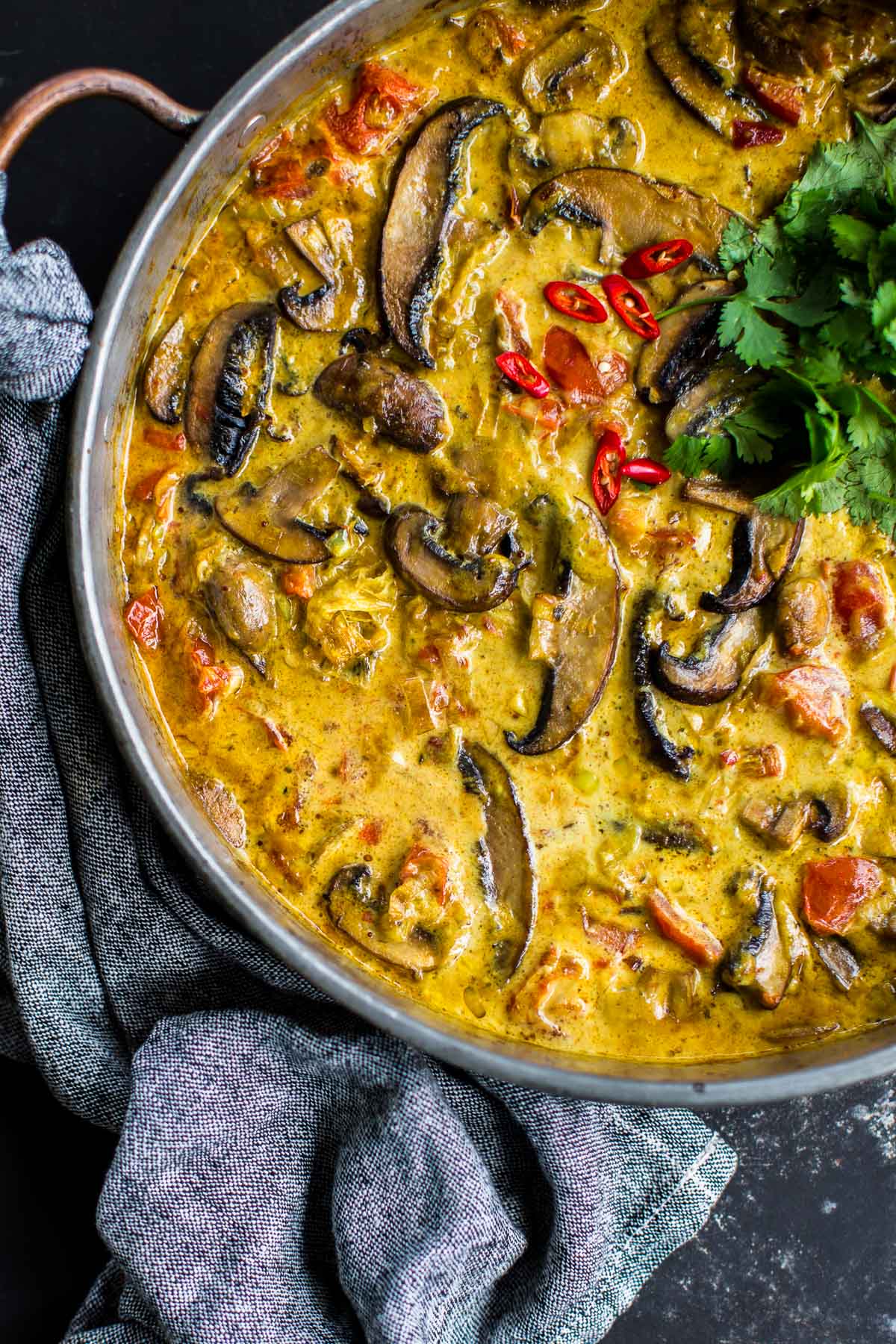
Landing firmly in the fusion recipes category, this recipe features earthy mushrooms in a spiced sauce made from tomato, coconut, tempered spices, and a secret ingredient … mango chutney. Don't knock it before you try it — the condiment adds a really punchy tanginess. Finishing the curry in the oven gives the dish extra depth, concentrating the meaty, umami flavours. It's less hands-on than stovetop cooking, which makes it ideal for a last-minute dinner idea (or for hectic dinner party hosting duties!).
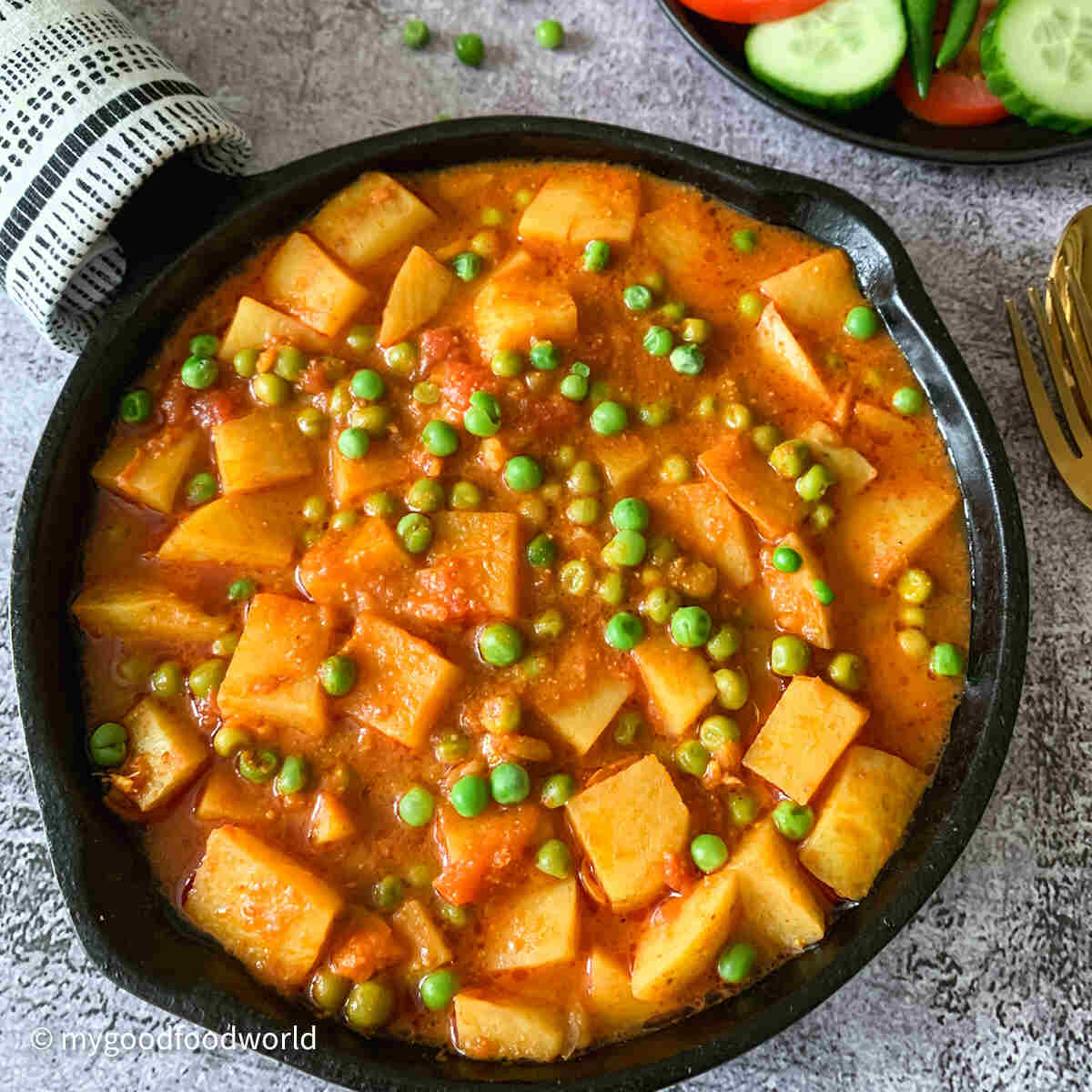
A classic pea and potato curry in a tomato-based gravy … with a twist. This recipe is allium-free, but you'd never guess it. When you want the comfort of something familiar, aloo matar delivers exactly that. Sweet, fresh peas. Soft, buttery potatoes. And a spiced tomato sauce with fennel, cumin, coriander, turmeric, and chilli. It's nostalgic, reliable, and always satisfying.
A specialty from the Bhojpuri cuisine of Bihar, Jharkhand, and Uttar Pradesh, this recipe highlights green peas. The texture is unique — somewhere between a curry and a thick dal, with some peas being ground to form a curry paste (with a selection of delightful aromatics and spices!), and others remaining whole. The fried potatoes give the dish heartiness, and a sprinkle of amchoor powder (dried mango powder) provides a bright little lift.
Similar to the Keralan cabbage toran recipe we shared above — but so different, too. You've got the buttery flavours of garlic, heat from ginger, pops of cumin, plus the warm earthiness of turmeric, coriander, and garam masala building layers in the background. Add bursts of sweetness from fresh peas, and the North-Indian style cabbage sabji is complete. It's a quick and easy way to take cabbage from rather boring to exciting!
India's ULTIMATE comfort food: rice and lentils cooked together until soft and porridge-like. Minimal spicing, but a great deal of heart. Khichdi is what you make when you're tired, cold, slightly under the weather, or missing home. It's gentle, nourishing, and requires basically no effort. You can make khichdi from any variety of lentil, but this recipe uses mild and sweet moong dal, plus carrots and peas for even more nutritional goodness. P.S.: Topping khichdi with ghee is mandatory (if you're vegan, use dairy-free butter!).
Red lentils are the quickest-cooking of all varieties, so if you want a quick yet impactful meal, this is a good shout. Setting the lentils to simmer with a mixture of spices and tomatoes lets all the flavours infuse together, while the pulses break down completely to a smooth, creamy, soup-like consistency. It's livened up with a quick garlic-heavy tadka for extra flavour, and served with either chapati or rice. Weeknight cooking doesn't get much better than this, it has to be said.
Say hello to another fusion recipe, this time inspired by the intense flavours of Madras (Chennai). This is a great chance to use up everything in your fridge — whatever seasonal vegetables you've got will work. The sauce isn't authentic, but it is delicious: creamy coconut, piquant curry powder, and bright lemon juice.Basic vegetable curry is adaptable, forgiving, and a proper winter warmer. Plus, adding chickpeas helps you load up on the wholesome protein.
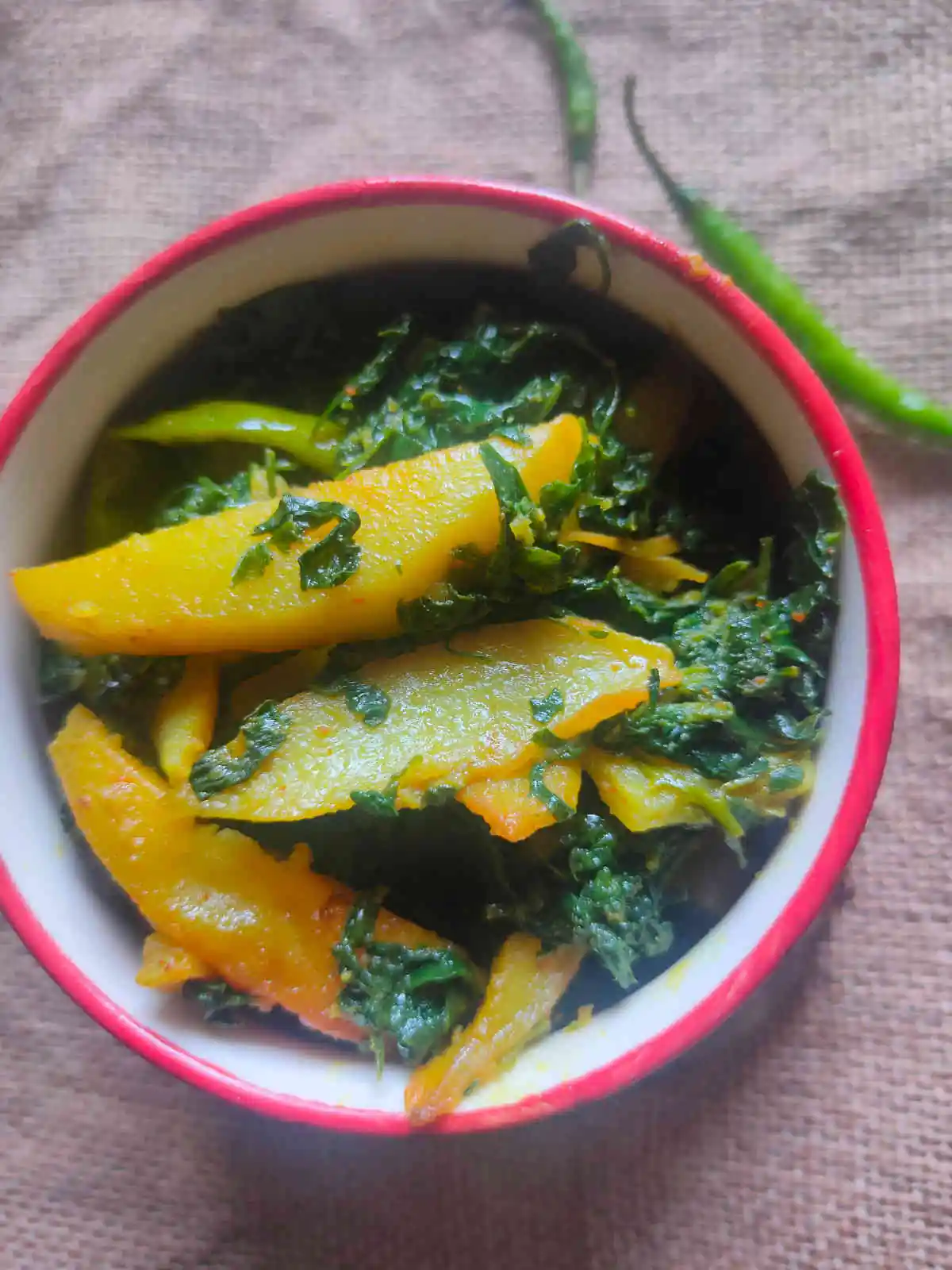
Bathua is one of those greens that only shows up in winter markets, so grab it when you see it. It has a distinctive flavour that's earthier than spinach, heartier than fenugreek, and absolutely delicious with simple spiced potatoes. A proper winter speciality, this is North Indian home cooking at its most authentic.
Indian whole spices tempered in oil. Umami depth from Japanese miso paste. Leeks, pumpkin and maple syrup balancing the spice with levels of sweetness. Dried red lentils, cooked until they're falling apart and deliciously velvety. This is fusion done properly … high-protein, oh-so-filling, and wonderfully creative.
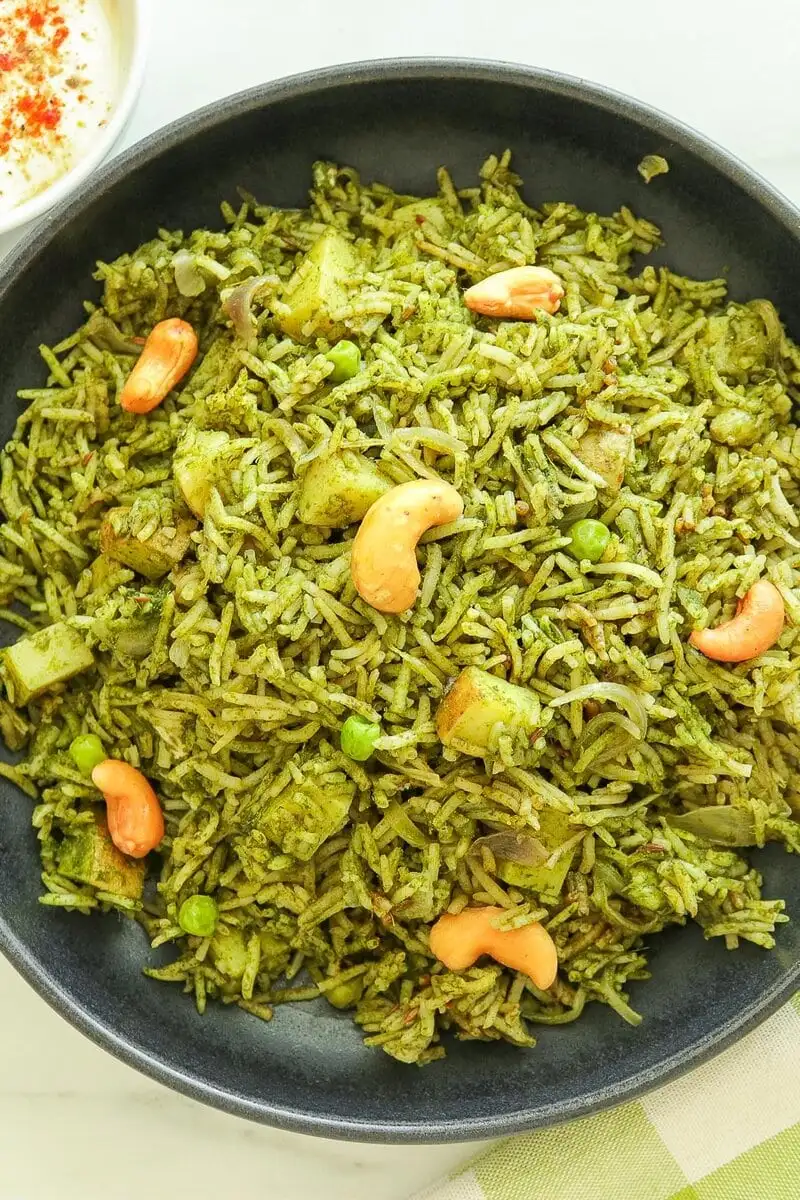
If you love one-pot meals, you have to try palak rice. It's got all the delightful fragrance of basmati rice cooked with whole bay leaf, cloves, cinnamon, and cardamom … but that's just a starting point. Palak rice gains most of its incredible flavour by forgoing water and cooking the rice in a puree made from fresh spinach, sharp green chillies, fresh herbs, and aromatics. Every grain is a beautiful, vibrant green colour from the spinach, and with the addition of potatoes, there is no need for any side dishes — you've got a complete meal. Easy peasy!
Rustic and provincial, these parathas have an earthy flavour that's reflective of the mineral-rich chenopodium leaves. The greens are first boiled, then kneaded into a fresh bread dough with simple spices. The bathua turns the dough slightly green and adds nutritional benefits you won't get from plain paratha. Cooked in ghee and eaten with yoghurt, it makes for the ideal winter breakfast food.
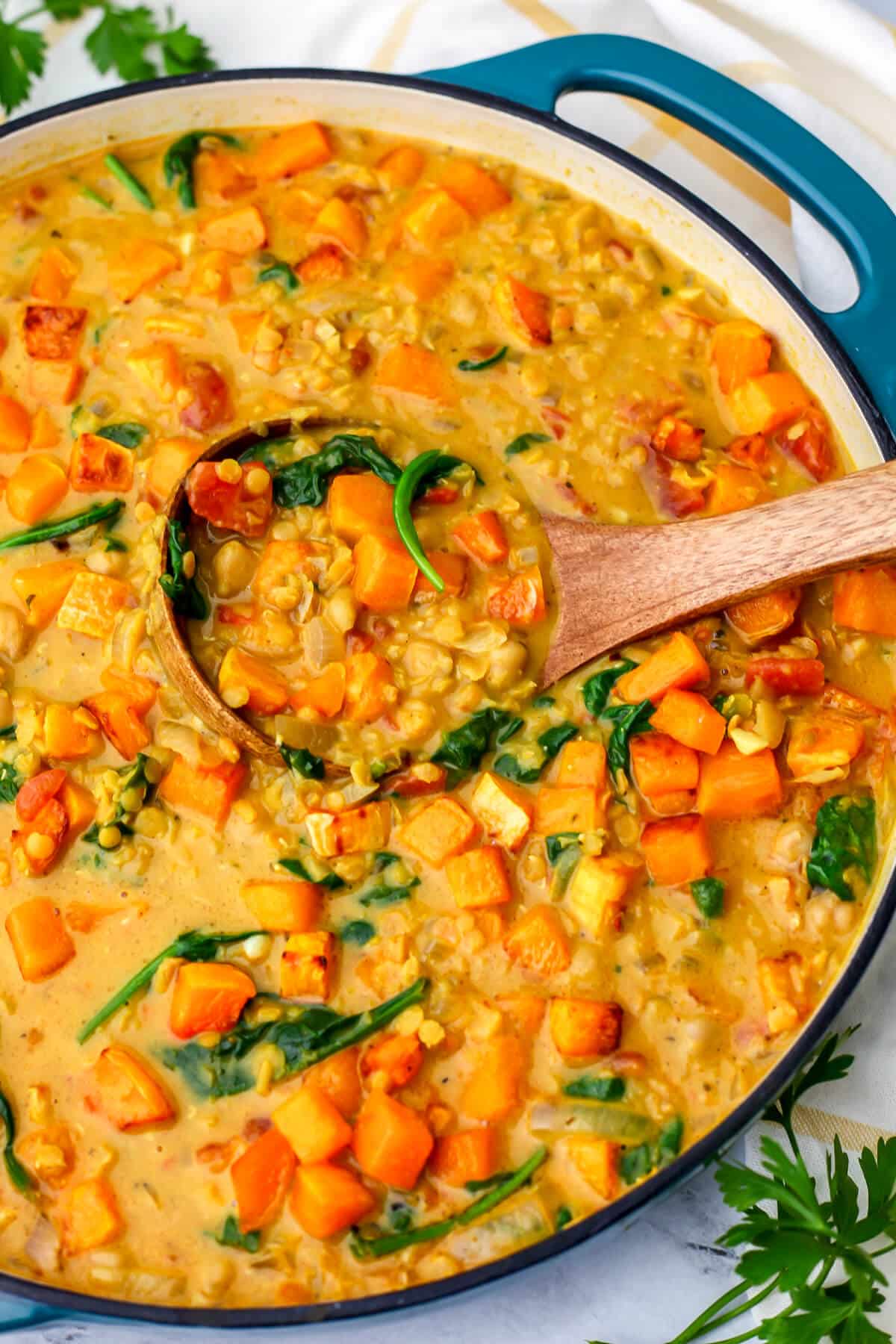
Sweet squash and hearty chickpeas in a comforting, balti-spiced sauce thickened with red lentils and coconut milk — this Indian-inspired dish is a combination of many favourites, all in one!It's a rewarding way to use up seasonal winter squash, which is roasted until soft and golden on the edges. Familiar warmth from ginger, turmeric, helps to build layers on top of the balti spice, and a bunch of wilted spinach stirred through at the end makes the dish visually appealing, too.
A clever twist on traditional dal, this recipe uses savoury, earthy brown lentils as a base. Simmered with caramelised onions and whole spices, they break down beautifully — but the real magic happens when you blend sweet and smoky red peppers with coconut milk and add them to the lentils.The dish is vegan, but tastes rich and complex enough that nobody would guess … even ardent omnivores! An unexpected ingredient, soy sauce, adds further depth and umami that'll have people clambering to ask for your recipe.
Fenugreek and peas in a creamy sauce might just be the ultimate winter combination.This restaurant-style dish is surprisingly straightforward to make in the comfort of your own home. The slight bitterness of methi balances with the sweetness of fresh peas and the creaminess of the sauce. It feels light and fresh, while being wonderfully luxurious and comforting. Prepare for compliments!
The most comforting combination of buttery potatoes and fresh fenugreek.Cumin seeds crackle in ghee, garlic turns golden, then potatoes and methi cook together until the leaves wilt and coat every cube. Turmeric gives it that gorgeous yellow colour. Simple, quick, and exactly what you want on a cold Tuesday night.
Sarson ka saag is the definitive Punjabi winter dish. It features mustard greens cooked down with spinach, bathua, cornmeal, aromatics, spices, and jaggery until the mixture is thick.It's packed with bold flavours, but really comes alive with a simple tempering and very generous dollop of white butter (makhan). This is quintessential North Indian cooking, and must be experienced with homemade makki roti (for the full experience).
Not every winter dish needs to be rich and heavy, and this fresh fenugreek salad proves it. There's a place for salads in your winter menu after all! The raw fenugreek leaves are tossed with onions, tomatoes, and a punchy lemon dressing. The traditional Maharashtrian recipe is vibrant, zesty, and slightly spicy. It's the perfect side dish to any Indian meal, but it works exceptionally well to cut through the richness of heavier curries.
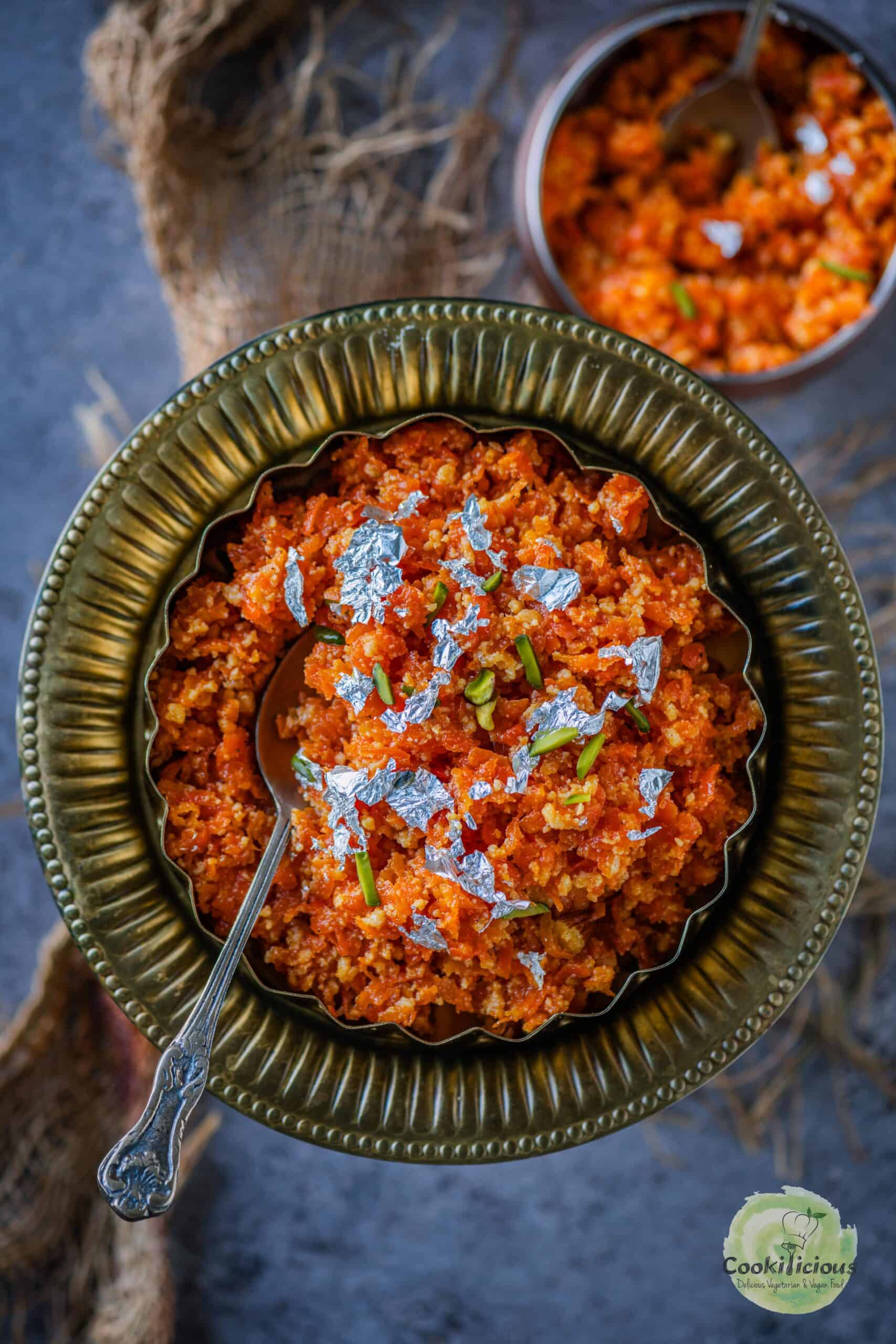
Grated carrots slow-cooked in milk, sugar, and ghee … carrots are at their sweetest in winter, which makes this the perfect season for halwa. The pudding is rich, fragrant with cardamom, studded with nuts, and a real celebration of the natural honey-like flavour of carrots. This might be India's most beloved winter dessert. Serve it warm with a scoop of vanilla ice cream for a restaurant-style indulgent version or a spoonful of thick and creamy rabri to mimic street food. Gajar ka halwa is delicious enough as-is, though … all you really need is a spoon to dig in.
This may be a cooling raita, but it still celebrates winter's best greens! The cooked bathua is mixed into the yoghurt (along with spices and pungent black salt), adding colour, nutrients, and a subtle flavour to the plain yoghurt. It's a perfect side dish for spicy curries (or crispy snacks).
In this dal bukhara recipe, black lentils are slowly simmered with garlic, aromatic spices, cream, and butter until unbelievably thick, rich, and creamy. This is the dal dish that everyone raves about. It made Indian restaurants famous — and inspires pilgrimages to the original creator restaurant even to this day. You can create the same magic in your kitchen with a dish so divinely indulgent it's ridiculous. Pair with naan for ultimate feasting.
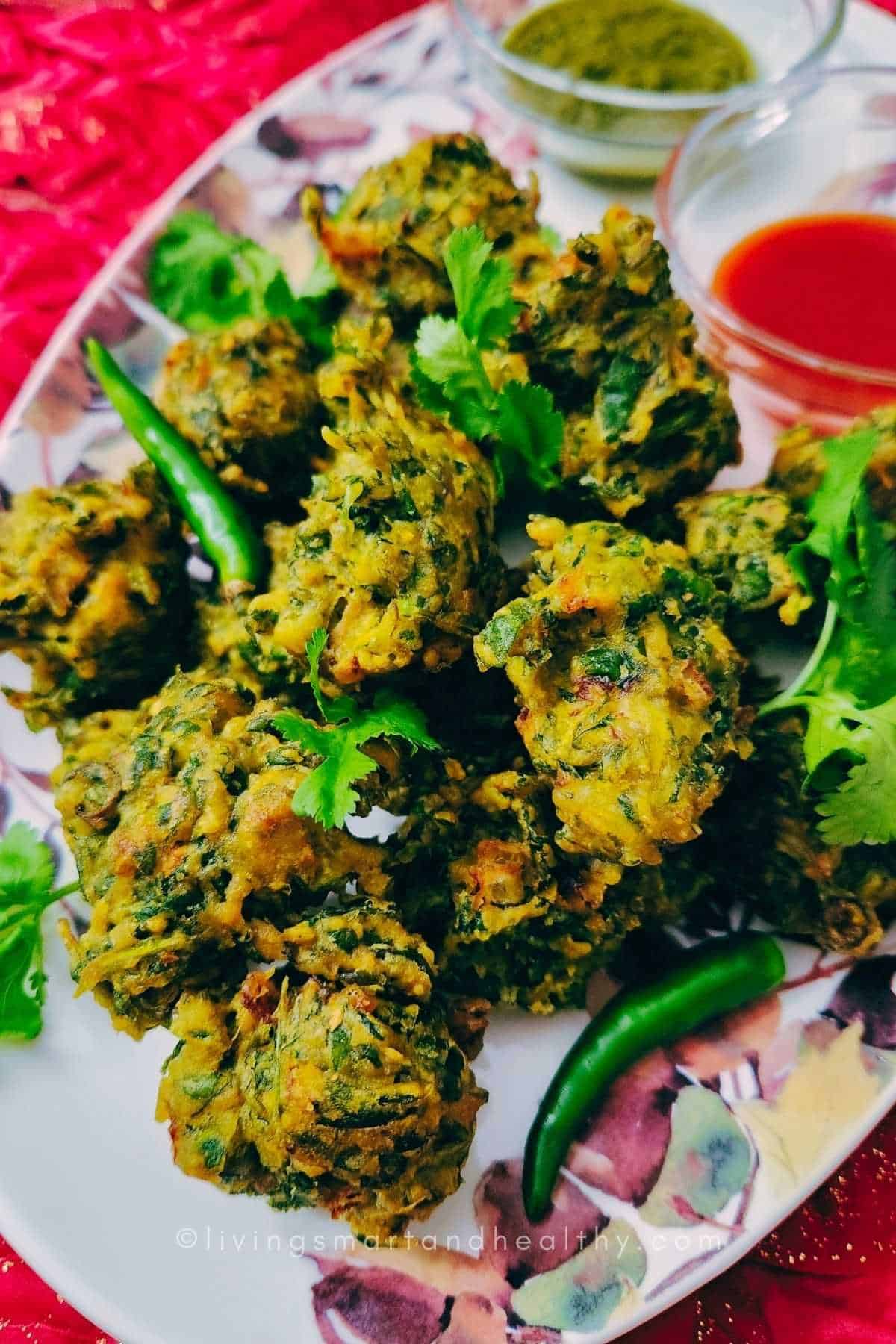
Irresistibly crunchy on the outside, slightly soft and nutty inside — these pakoras are made from fenugreek leaves mixed into a chickpea flour batter, then deep-fried until crispy. The bitterness of raw methi mellows when fried, leaving behind just a hint of flavour. Mixed with slices of fresh onion, this is an upgraded onion pakora that tastes fantastic with tamarind chutney, green chutney, or hot chai.
Fresh fenugreek is smoky, slightly bitter, and deeply savoury. When you cook it in a creamy, mild sauce along with soft paneer chunks, it loses that bitterness, becomes almost sweet, and is definitely addictive.Methi malai paneer is one-pot cooking at its finest. The recipe produces restaurant-quality food with minimum effort and less than 30 minutes of cooking time.
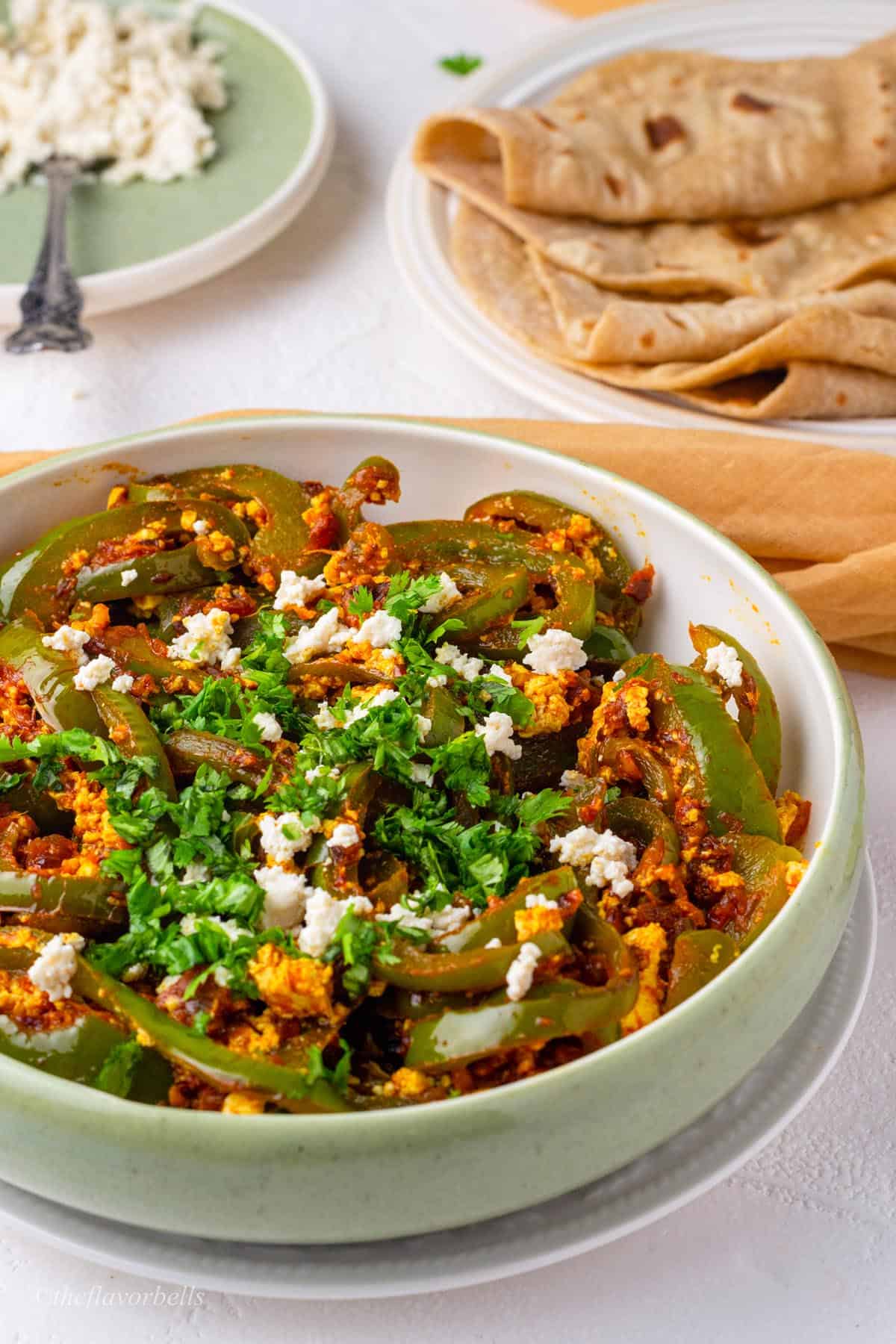
Surprisingly substantial for a vegetable dish, bell pepper curry is a winter-time favourite in India. It's made by cooking down a simple North Indian-style curry base until thick and jammy, then adding slices of green bell peppers (that slightly bitter, grassy flavour is a winner when paired with Indian spices). Cooked until soft with just a little bite, fresh paneer crumbled on top adds a dose of protein and richness.
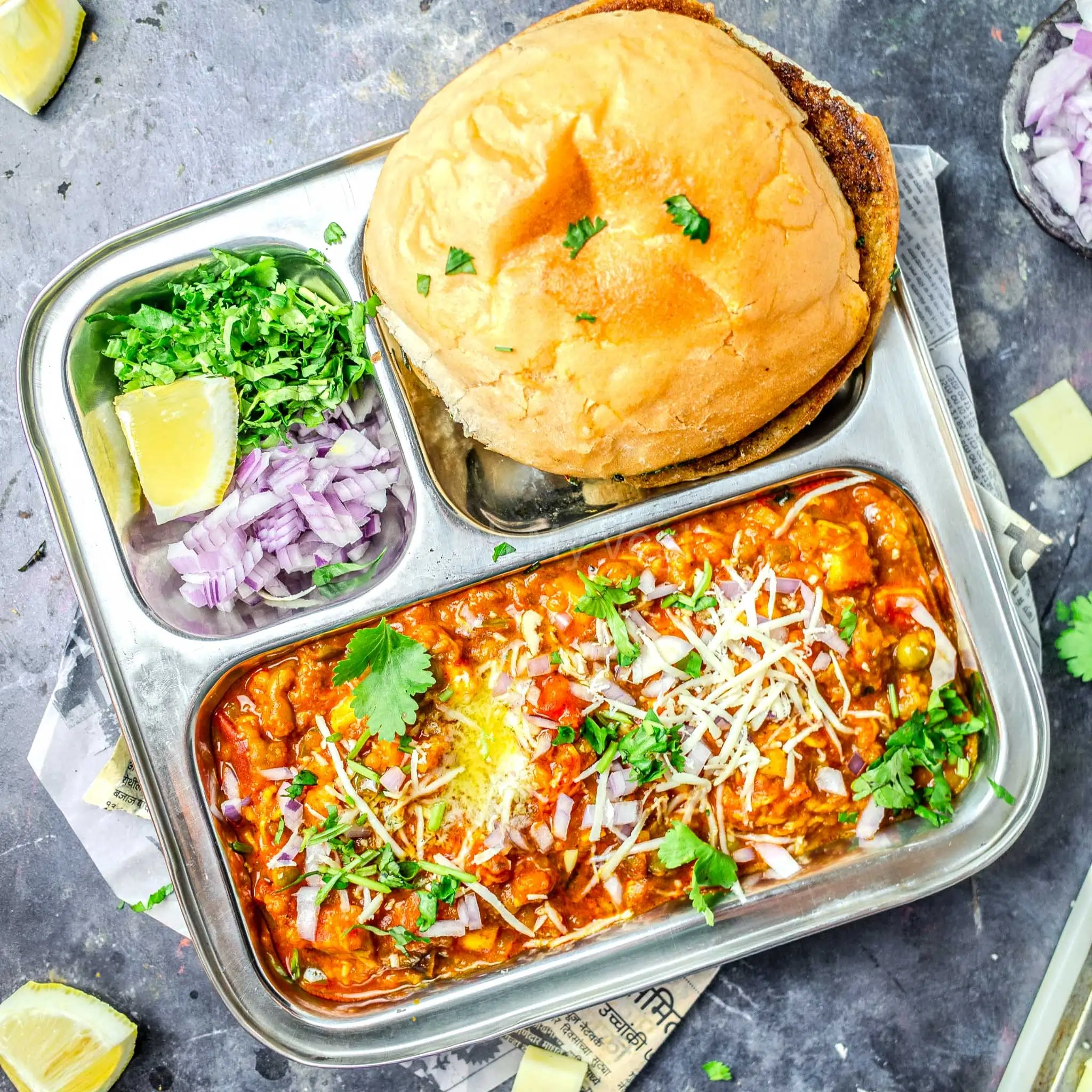
One of Mumbai's most iconic street foods, pav bhaji, has got a makeover. Pav bhaji is a mixed vegetable curry using the best of winter's seasonal veg — cauliflower, peas, potatoes, and carrots — sauteed with butter, green bell peppers, and a specially-made masala mix. It's mashed into the most delicious texture and served with buttery pav (fluffy bread rolls). Add grated paneer into the mix and you have paneer pav bhaji … aka one of my all-time favourite dishes. It's a real winner, and tastes totally authentic to Mumbai streets.
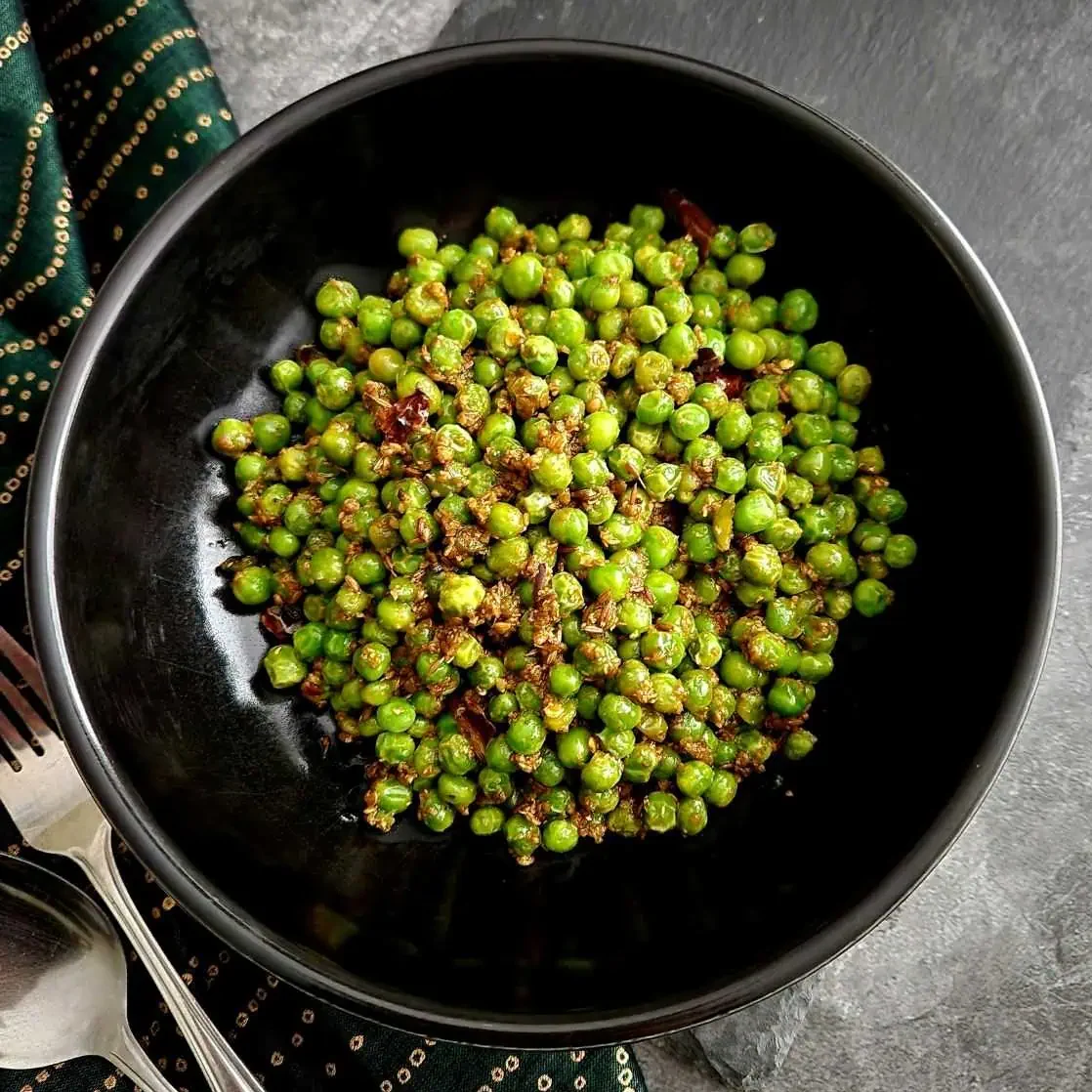
Not all Indian winter foods have rich, thick sauces. This dry peas curry (sukhe matar) is just peas coated in spices. Sounds simple — and is simple to cook — but packs an incredible amount of flavour. The peas are sauteed with whole and ground spices: Cumin and coriander for earthy citrusy notes, and dried mango powder for tang. Cooked until soft yet still holding their shape, it's a dry dish that works perfectly as a side with dal, paratha, and raita.
Yellow moong dal cooked with fresh fenugreek leaves. The dal stays light and brothy. Once pressure-cooked, the lentils are mixed with spices, tomatoes, and fenugreek leaves that have been sauteed in vegan ghee until they smell absolutely divine.It's finished with a squeeze of lemon juice to brighten things up, and you're good to go.Ready in just more than 30 minutes, this is weeknight cooking at its best.
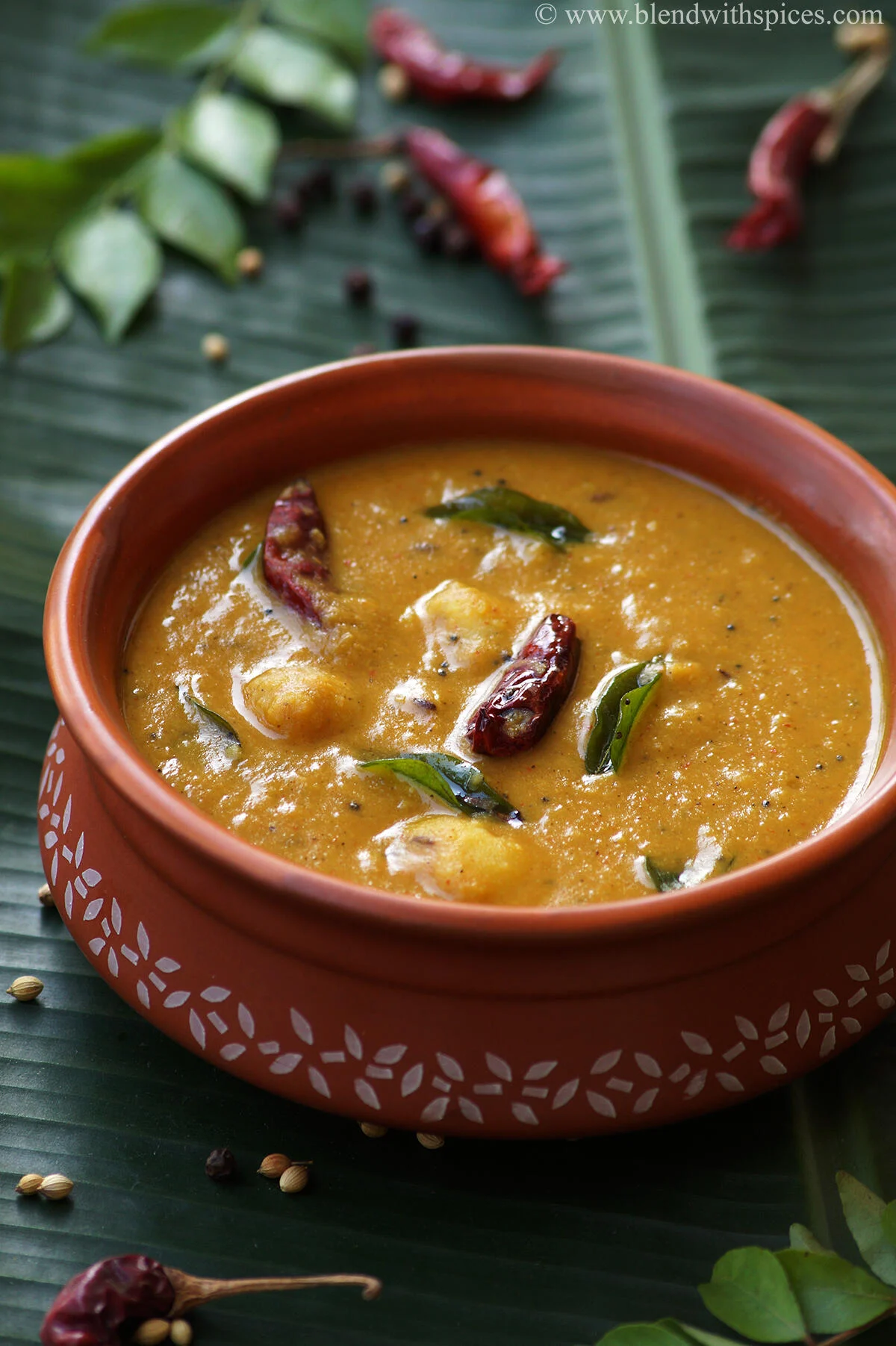
This South Indian specialty is a real regional hidden gem.At the heart of the dish is toor dal — creamy yellow lentils — which form the thick, robust body of the dish. Then you have the potatoes, soft and almost melting into the dal. But where the dish really comes alive is the homemade spice paste made from aromatic ground seasonings, tamarind, fresh coconut, and plenty of black pepper. The black pepper gives this dish a lovely warming back-of-the-throat heat. Dried red chillies are there too, bringing the smoky and fruity notes, but this is all about the pepper. It's considered healing in Ayurveda, and the aloo pindi miriyam is definitely a top pick when I'm feeling under the weather!
Loaded with the aroma of mustard oil, turmeric, chillies, and a sprinkle of coriander, aloo bhujia sabji is mildly spiced, quick, and easy. This dish is a speciality from Bihar and Jharkhand, where it's an everyday meal. The flavours are uncomplicated but satisfying, and it makes a beautiful pairing with dal and a tangy pickle on the side.
To start, pick a slow-cooked dal as your base. Something like dal bukhara or Punjabi moong masoor dal — a dish you can make in a big batch and reheat throughout the week.
Pair it with two or three vegetable dishes of varying richness. One creamy curry (like palak paneeror methi malai paneer), one dry sabji (like gavar bhajior matar sabji), one lighter stir-fry (like gobi bhaji oraloo bhujia sabji) and one thin, spicy dish (like batata rassa) keeps things interesting.
Add a couple of different bread and rice dishes to your rotation. Plain rice, jeera fry rice, plain paratha and roti/chapati … plus a few interesting options like jowar bhakri, methi parathaor palak paneer parathawill cover most cravings.
Batch-cook where possible. Most of these curries taste even better the next day, and parathas freeze brilliantly for quick lunches.
Hello, Reader! My name is Ellanor, and I’m the author, recipe tester, chef, and food photographer behind Oh My Veg. Outside of my work on this blog, I’m a professional food writer for a digital media company, so my life is all about food! Read More about Ellanor